
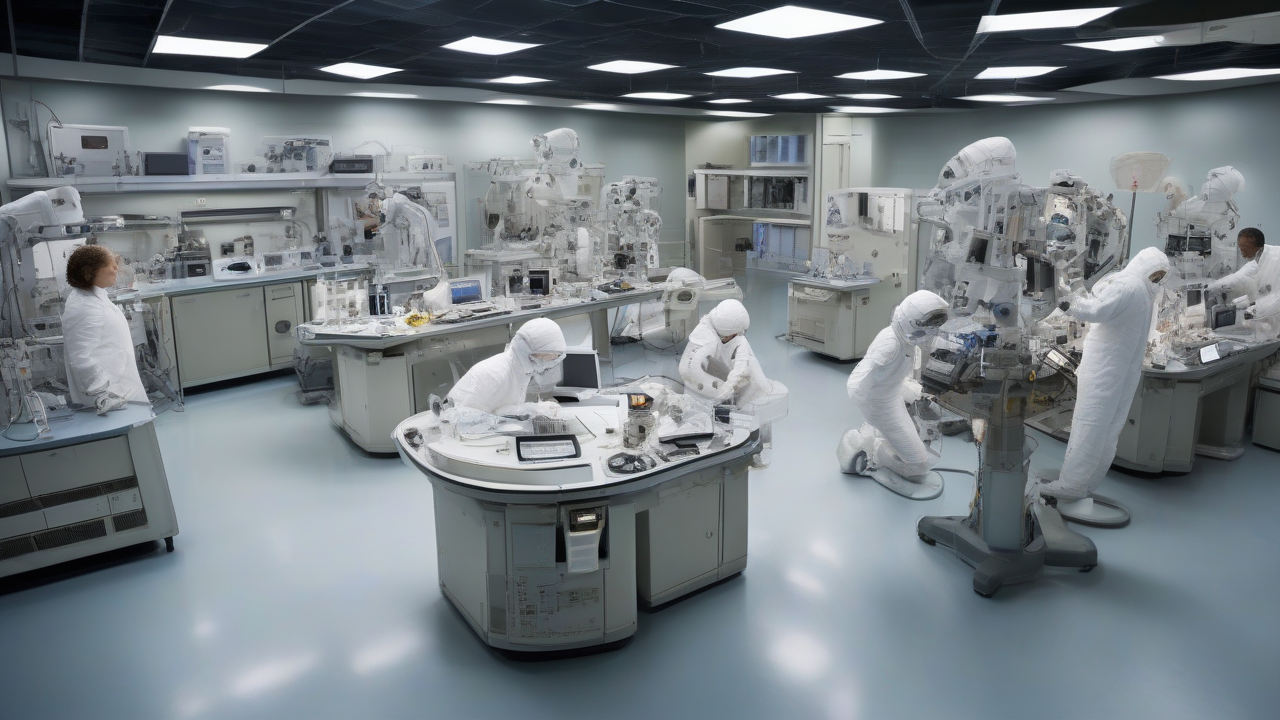
Introduction to Human-Centered Design in Space Exploration
As NASA continues to push the boundaries of space exploration, the importance of human-centered design has become increasingly evident. According to NASA’s 2025 Technical Update, the human factors team plays a crucial role in balancing crew and mission design parameters to ensure the success and safety of NASA’s missions. This approach is critical in leveraging human strengths while protecting people and missions from potential risks.
The Role of Human Factors in NASA Missions
The human factors team at NASA comprises experts with extensive knowledge of human performance in various aspects of NASA missions, as well as experience from other safety-critical industries. These experts work to identify and create opportunities to influence design, ultimately enhancing the overall performance and safety of NASA’s missions. By applying their expertise, the human factors team can mitigate potential risks and optimize mission outcomes. As reported by NASA, this team’s work is essential in ensuring that crew and mission design parameters are carefully balanced to achieve the desired results.
Why Human-Centered Design Matters
The emphasis on human-centered design in space exploration is not new, but its significance has grown as missions become more complex and prolonged. Analysts note that the success of future missions, such as those to the Moon and Mars, will depend heavily on the ability to design systems that account for human strengths and limitations. By prioritizing human factors, NASA can reduce the risk of errors, improve crew performance, and enhance the overall safety of its missions. Observers point out that this approach also has implications for the broader aerospace industry, as it can inform the development of safer and more efficient systems.
Impact on Future Missions
The work of the human factors team will have a significant impact on the success of future NASA missions. As the agency prepares to return humans to the Moon and eventually send crewed missions to Mars, the importance of human-centered design will only continue to grow. According to NASA, the human factors team’s expertise will be critical in designing systems that can support crew members on long-duration missions, where the risk of fatigue, stress, and other performance-degrading factors is high. By applying their knowledge and experience, the team can help ensure that NASA’s missions are designed to optimize crew performance and safety.
Looking Ahead
As NASA continues to advance its human exploration program, the role of human factors will remain a critical component of mission design. In the coming years, the agency will face key decisions and challenges in balancing crew and mission design parameters. Upcoming developments, such as the release of new design guidelines and the testing of innovative systems, will be closely watched by industry observers and analysts. According to sources, NASA’s commitment to human-centered design will be essential in achieving the agency’s long-term goals for space exploration. As the human factors team continues to influence design and shape the future of space exploration, their work will remain a vital part of NASA’s mission to push the boundaries of human knowledge and achievement.
Reader Comments