
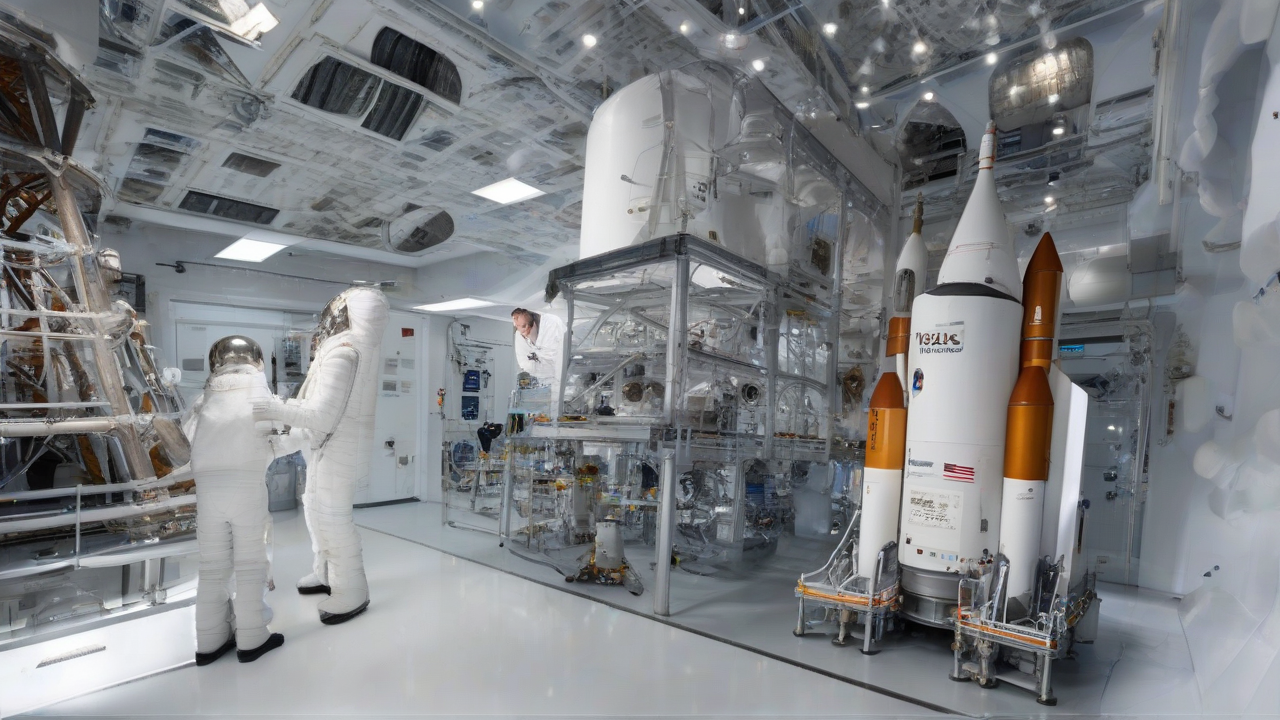
A Century of Space Exploration Milestones
The world of space travel and exploration has reached a significant milestone, marking 100 years since the first successful test of liquid-fueled rockets, a technology that has been instrumental in humanity’s quest to navigate and understand the cosmos. According to NASA, this breakthrough moment in modern rocketry has paved the way for numerous achievements in space exploration, from lunar missions to the launch of satellites that facilitate global communication and navigation.
The Impact of Liquid-Fueled Rockets
Analysts note that the use of liquid-fueled rockets has been a crucial factor in the success of various space missions, including voyages to the Moon and beyond. Observers point out that this technology has enabled the launch of satellites that play a vital role in everyday life, such as those used for navigation, communication, and weather forecasting. The move signals a significant shift in the capabilities of space agencies and private companies, allowing them to push the boundaries of space exploration and discovery.
Context and Significance
The development of liquid-fueled rockets is a testament to human ingenuity and the relentless pursuit of innovation. As reported by NASA, the first successful test of this technology took place on March 16, 1926, marking a major breakthrough in modern rocketry. This achievement has had a profound impact on the field of space exploration, enabling scientists and engineers to design and launch more complex and ambitious missions. Experts emphasize that the use of liquid-fueled rockets has been a key factor in the success of numerous space missions, including the Apollo program, which successfully landed humans on the Moon.
Broader Implications
The significance of liquid-fueled rockets extends beyond the realm of space exploration, with implications for various fields, including science, technology, and engineering. Analysts note that the development of this technology has driven innovation and advancements in materials science, propulsion systems, and computer engineering. The impact of liquid-fueled rockets is also felt in the realm of everyday life, with satellites launched using this technology providing critical services such as navigation, communication, and weather forecasting.
Looking to the Future
As the world marks this significant milestone, attention is turning to the future of space exploration and the role that liquid-fueled rockets will play in upcoming missions. According to sources, NASA and private companies are currently working on new and innovative technologies that will enable more efficient and sustainable space travel. Observers point out that the next generation of rockets will be designed to be more powerful, versatile, and environmentally friendly, paving the way for a new era of space exploration and discovery. As the space industry continues to evolve, one thing is certain – the legacy of liquid-fueled rockets will remain a crucial part of humanity’s quest to explore and understand the cosmos.
Reader Comments