
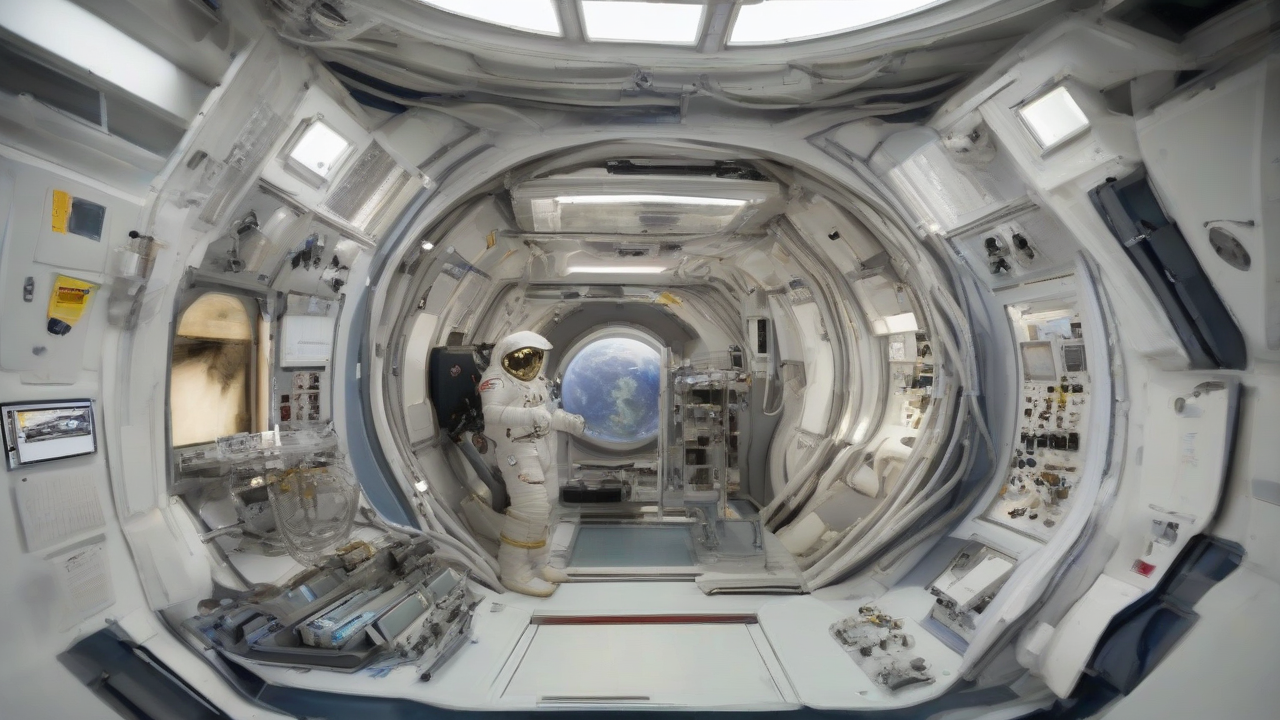
Introduction to Immersive Visualization
A critical component in the development of new solutions for NASA’s missions and projects is the creation of immersive visualizations and simulations. According to NASA, the Graphics and Visualization Lab (GVIS) at NASA Glenn Research Center has been at the forefront of producing these visual tools, which play a pivotal role in helping scientists, engineers, and researchers bring their projects to life. As reported by NASA, these simulations are designed to support a wide range of NASA’s endeavors, from current missions to future innovations.
The Role of GVIS Lab
The GVIS Lab is renowned for its expertise in crafting virtual system simulations that are not only highly detailed but also immersive. Analysts note that the lab’s work is crucial because it allows NASA’s teams to explore complex systems and scenarios in a controlled, virtual environment. This capability is essential for testing hypotheses, predicting outcomes, and identifying potential challenges before they become major issues. Observers point out that the move towards more immersive and interactive visualizations signals a significant shift in how NASA approaches project development, emphasizing a more integrated and holistic understanding of the systems they are designing.
Impact on Project Development
The impact of the GVIS Lab’s work on NASA’s project development cannot be overstated. By providing scientists and engineers with the ability to visualize and interact with their designs in a highly realistic way, the lab facilitates a deeper understanding of the projects’ intricacies. This, in turn, can lead to more efficient development processes, reduced costs, and ultimately, more successful mission outcomes. As sources indicate, the use of these visual tools has already shown promising results in various NASA projects, contributing to the advancement of the agency’s goals.
Broader Implications
The work of the GVIS Lab also has broader implications for the field of scientific research and engineering. The development of immersive visualizations and simulations can accelerate innovation by allowing researchers to explore complex phenomena in unprecedented detail. Moreover, these tools can enhance collaboration among interdisciplinary teams by providing a common, interactive platform for discussing and refining ideas. Experts suggest that the integration of such visualizations into the research and development process could become a standard practice, given their potential to improve project outcomes and reduce risks.
Future Directions
Looking ahead, the GVIS Lab is expected to continue pushing the boundaries of what is possible with immersive visualizations and simulations. With NASA’s future innovations relying heavily on advanced technologies, the demand for sophisticated visual tools is likely to increase. As reported by NASA, the lab is poised to play a critical role in supporting these endeavors, from conceptualization to realization. Upcoming developments in this area will be closely watched, particularly as they relate to NASA’s plans for space exploration and the development of new technologies.
Conclusion and Next Steps
In conclusion, the work of the GVIS Lab at NASA Glenn Research Center represents a significant advancement in the use of immersive visualizations and simulations for supporting NASA’s missions and projects. As the agency moves forward with its plans, the role of such visual tools is expected to expand, offering new opportunities for innovation and collaboration. According to NASA, the next steps will involve further refinement of these technologies and their application to a wider range of projects, signaling an exciting future for research and development at NASA.
Reader Comments