
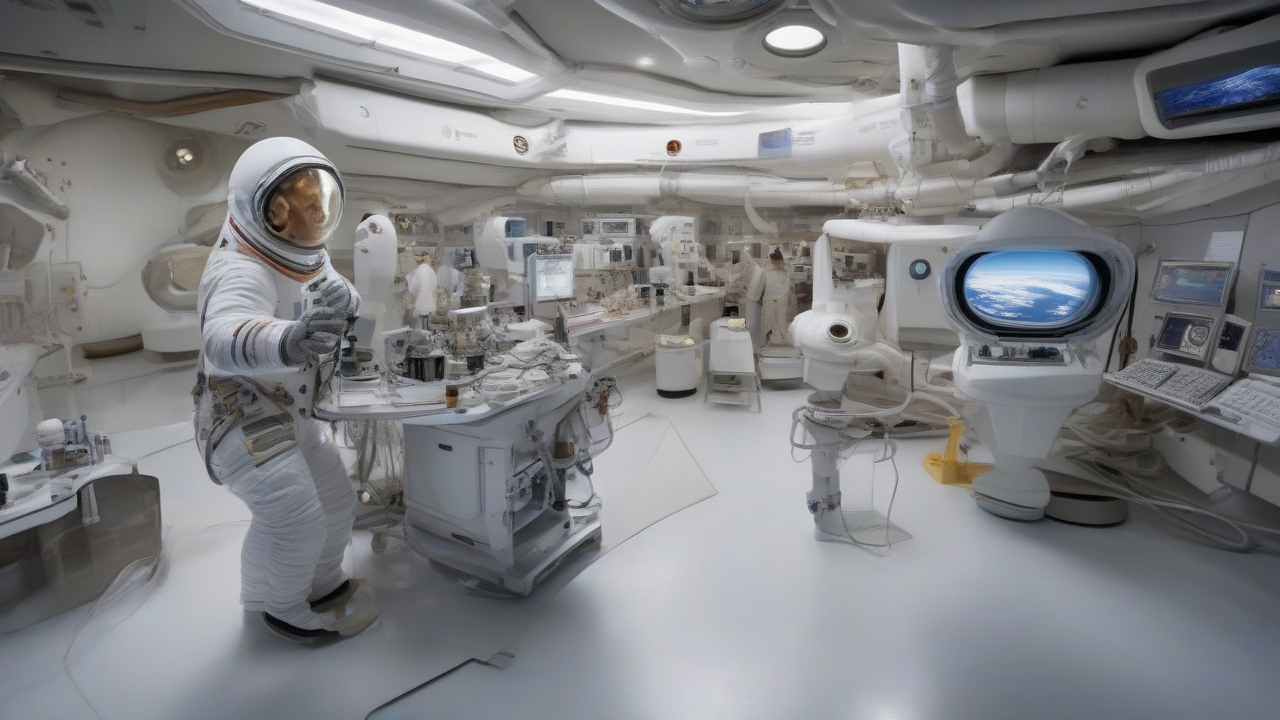
Introduction to Immersive Visualization
According to NASA, the Graphics and Visualization Lab (GVIS) at NASA Glenn Research Center is at the forefront of creating immersive visualizations and simulations that support the agency’s missions and projects. As reported by NASA, these visual tools play a crucial role in helping scientists, engineers, and researchers develop innovative solutions that bring their projects to life. Observers point out that the use of such visualizations can significantly enhance the understanding and development of complex projects, making them more accessible and engaging for stakeholders.
The Role of GVIS in NASA’s Missions
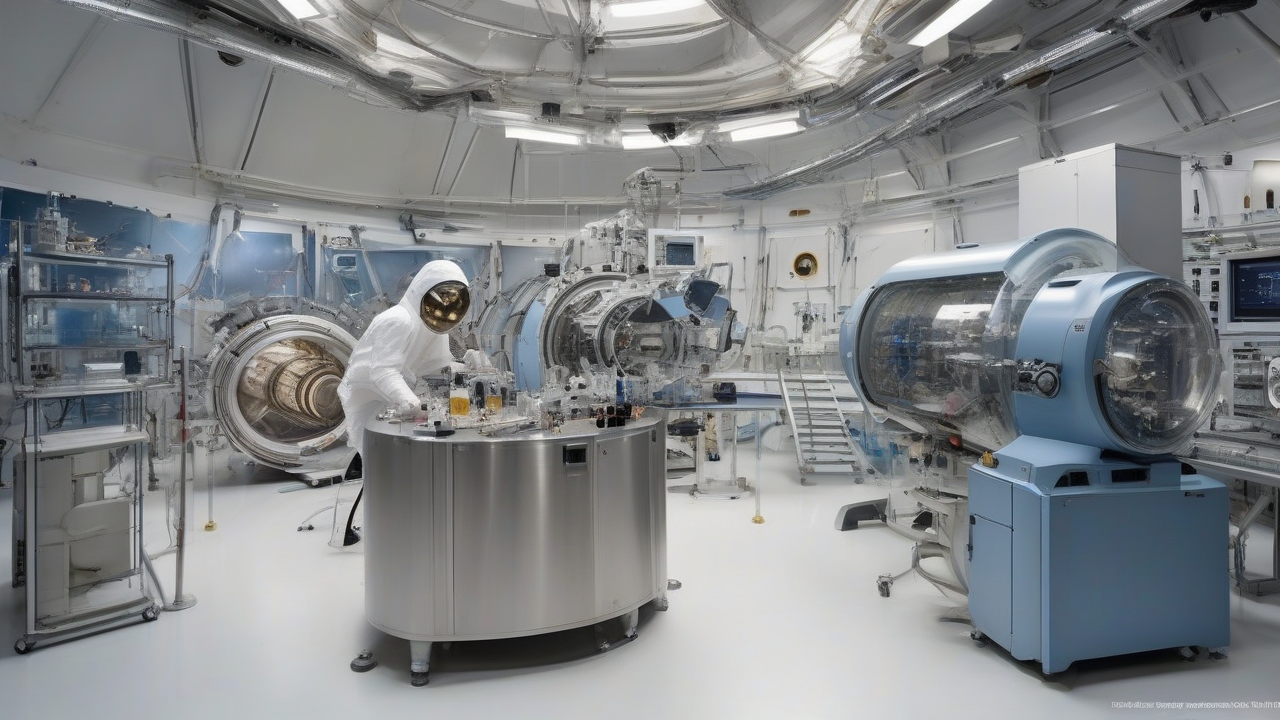
Analysts note that GVIS creates a wide range of visualizations, from conceptual designs to detailed simulations, all aimed at supporting NASA’s current and future endeavors. The move signals a significant investment in the use of visual tools to drive innovation and collaboration across the agency. Experts in the field highlight the importance of such visualizations in facilitating communication among team members and stakeholders, ensuring that everyone involved in a project has a clear understanding of the goals and objectives. As sources indicate, this approach has already shown promising results in various NASA projects, where immersive visualizations have helped to identify potential issues and develop more effective solutions.
Impact on Scientific Research and Development
The impact of GVIS’s work is far-reaching, affecting not only the scientists and engineers working on NASA projects but also the broader scientific community. Researchers can use these visualizations to develop new hypotheses, test theories, and analyze complex data sets. The stakes are high, as the success of these projects can have significant implications for our understanding of the universe and the development of new technologies. According to NASA, the use of immersive visualizations can also help to attract and engage the next generation of scientists and engineers, inspiring them to pursue careers in STEM fields.
Future Developments and Applications
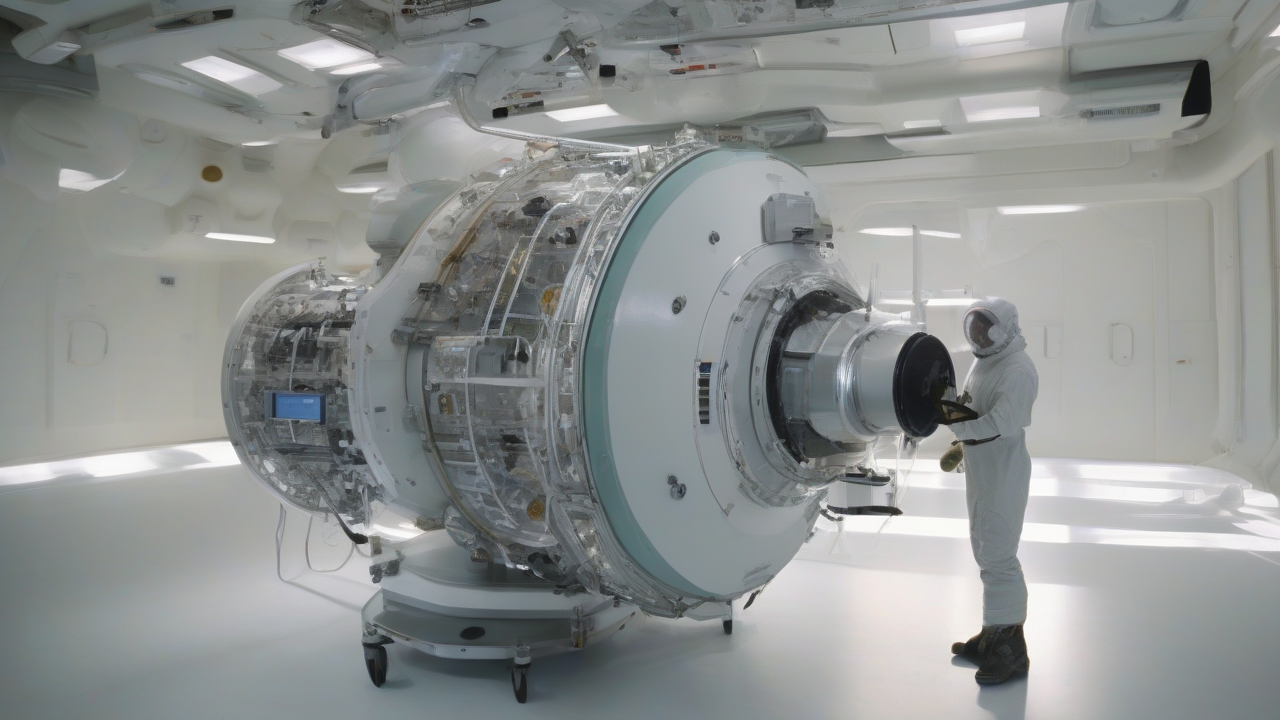
Looking ahead, observers expect that the use of immersive visualizations will continue to play a vital role in NASA’s missions and projects. As the agency pushes the boundaries of space exploration and scientific research, the need for effective visual tools will only continue to grow. Analysts point out that the development of new technologies, such as virtual and augmented reality, will further enhance the capabilities of GVIS and other similar labs. Sources indicate that NASA is already exploring new applications for these technologies, including the use of virtual reality to train astronauts and the development of interactive visualizations for public outreach and education.
What to Watch Next
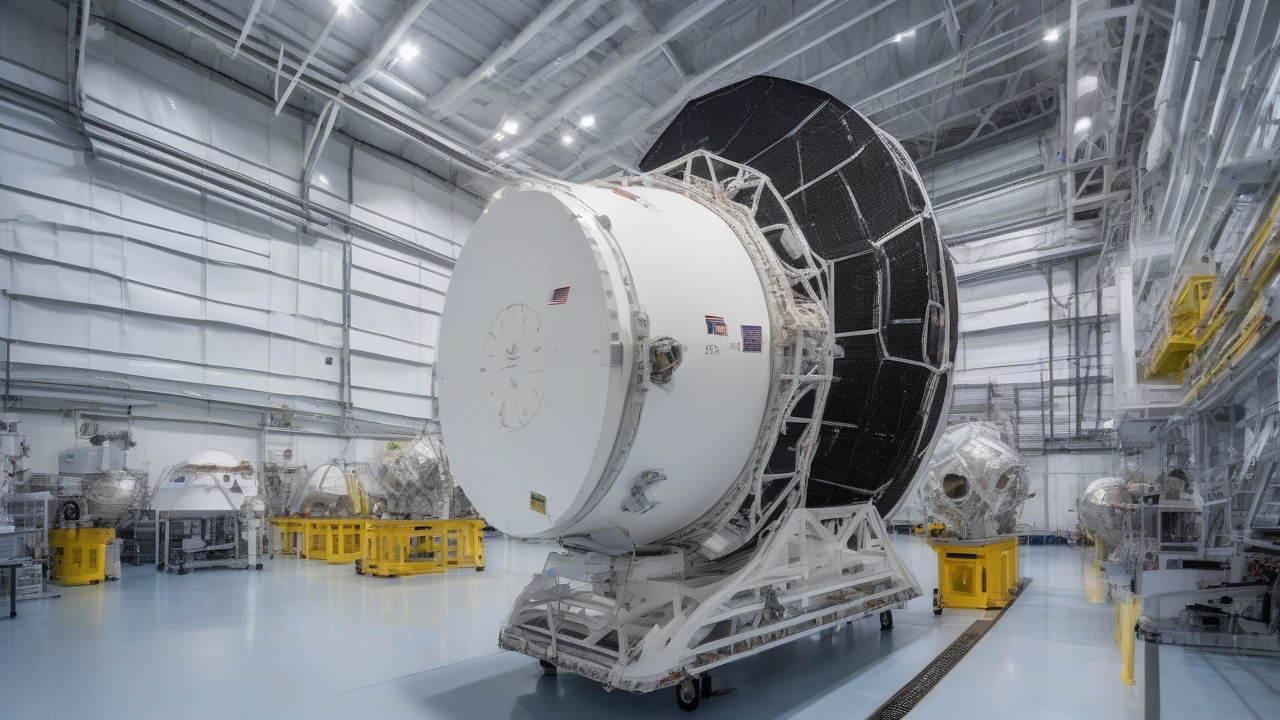
As NASA continues to invest in the development of immersive visualizations, it will be important to watch for upcoming announcements and releases from the agency. According to NASA, the GVIS lab is currently working on several high-profile projects, including the development of visualizations for the upcoming Artemis mission. Experts predict that these visualizations will provide a unique glimpse into the mission’s objectives and challenges, helping to build public excitement and support for the project. With the rapid advancement of visualization technologies, it will be exciting to see how NASA and other organizations leverage these tools to drive innovation and exploration in the years to come.
Reader Comments