
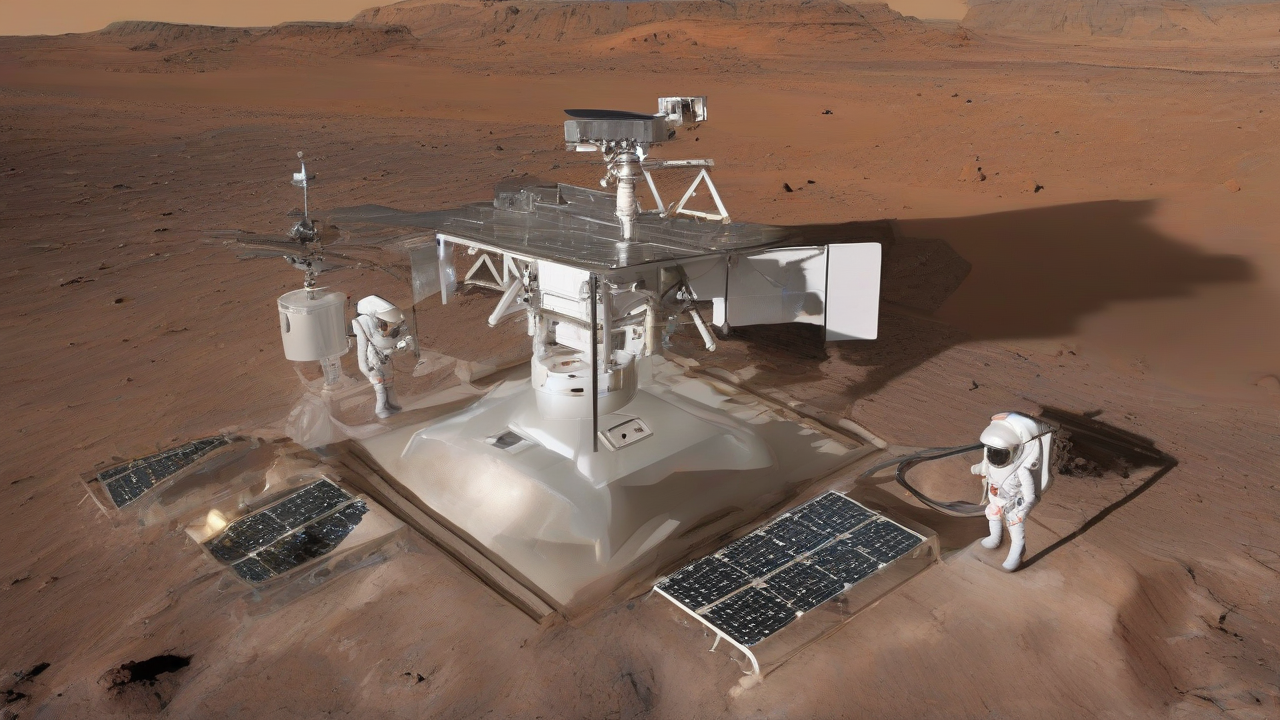
Ongoing Exploration of Mars’ Terrain
NASA’s Curiosity rover is currently in the final stage of exploring a unique geological feature on Mars, known as the boxwork unit, which is characterized by a spiderweb-like pattern. According to William Farrand, Senior Research Scientist at the Space Science Institute, this stage of exploration focuses on the eastern and southern borders of the terrain. As reported by NASA, the rover’s mission planners have assembled two multi-sol plans to guide the rover’s activities during this period.
Context and Significance
The boxwork unit is a fascinating geological formation that provides valuable insights into the history and evolution of Mars. Analysts note that the exploration of this terrain is crucial in understanding the planet’s geological processes and identifying potential biosignatures. Observers point out that the data collected by Curiosity during this stage of exploration will help scientists better comprehend the formation and degradation of similar geological features on Mars. As Farrand explains, the rover’s findings will contribute significantly to the ongoing efforts to unravel the mysteries of the Red Planet.
Exploration Plans and Activities
During the week of March 6, 2026, the Curiosity team assembled two multi-sol plans to ensure the rover’s efficient exploration of the boxwork unit’s borders. According to sources, these plans outline the rover’s activities, including the collection of data and samples from the terrain. The move signals a significant step forward in the mission, as the rover is now focusing on the finer details of the geological formation. Experts indicate that the data collected during this stage will be instrumental in shaping the mission’s future objectives and strategies.
Impact and Implications
The ongoing exploration of the boxwork unit has significant implications for our understanding of Mars’ geological history. The findings of the Curiosity rover will affect the scientific community’s understanding of the planet’s evolution and potential habitability. As the rover continues to explore the Martian terrain, the stakes are high, with the potential for groundbreaking discoveries that could reshape our knowledge of the Red Planet. According to NASA, the mission’s success will depend on the careful planning and execution of the rover’s activities, which will ultimately contribute to the advancement of human knowledge about Mars.
Future Developments and Milestones
As the Curiosity rover completes its exploration of the boxwork unit, the mission team will begin to plan for the next stage of the mission. Observers expect that the rover will move on to new and exciting destinations on Mars, where it will continue to collect data and conduct experiments. The upcoming weeks and months will be crucial in determining the mission’s future trajectory, with key decisions and milestones expected to shape the course of the mission. As reported by NASA, the public can expect regular updates on the mission’s progress, including new images, data, and discoveries from the Red Planet.
Reader Comments