
NASA’s Latest Achievements Take Center Stage at Smithsonian Museum
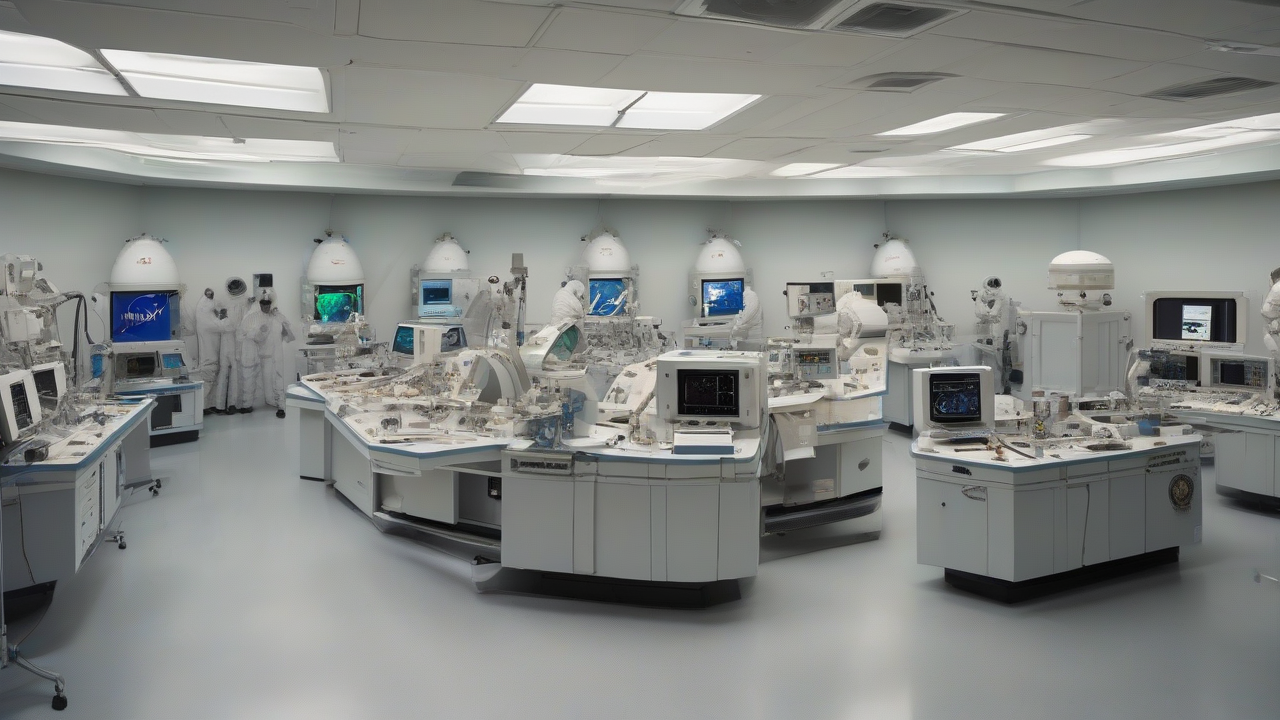
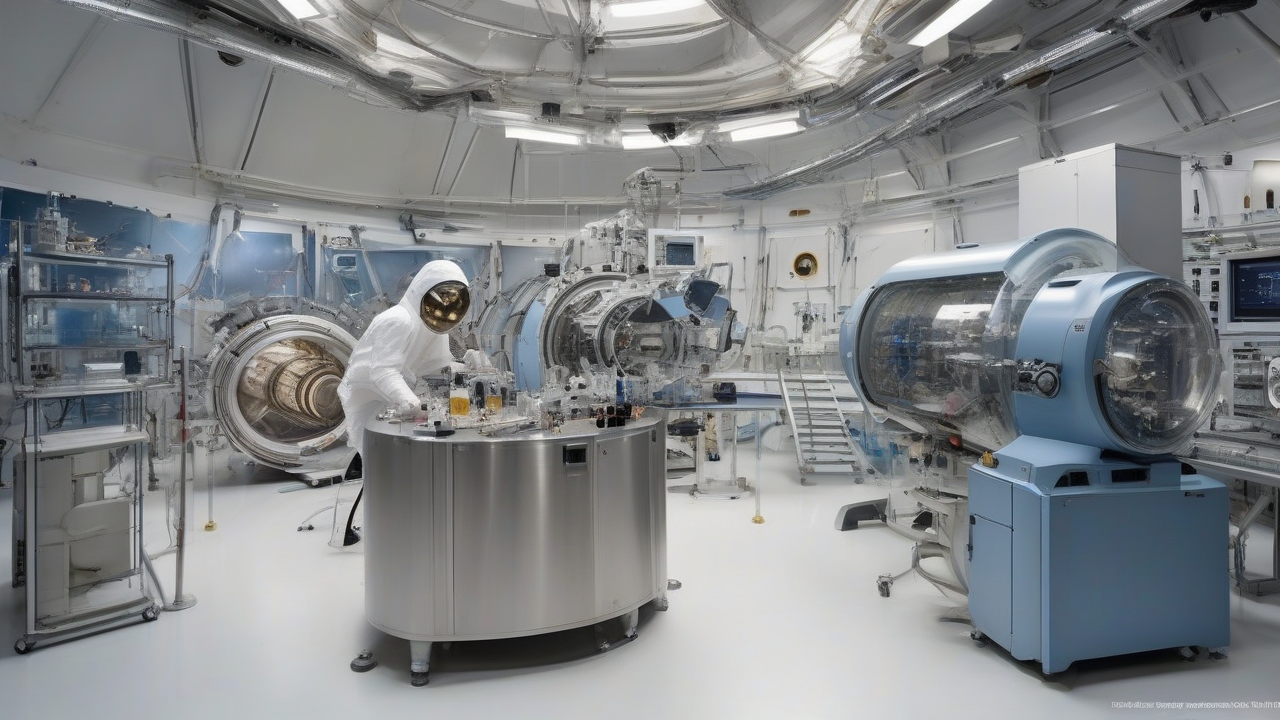
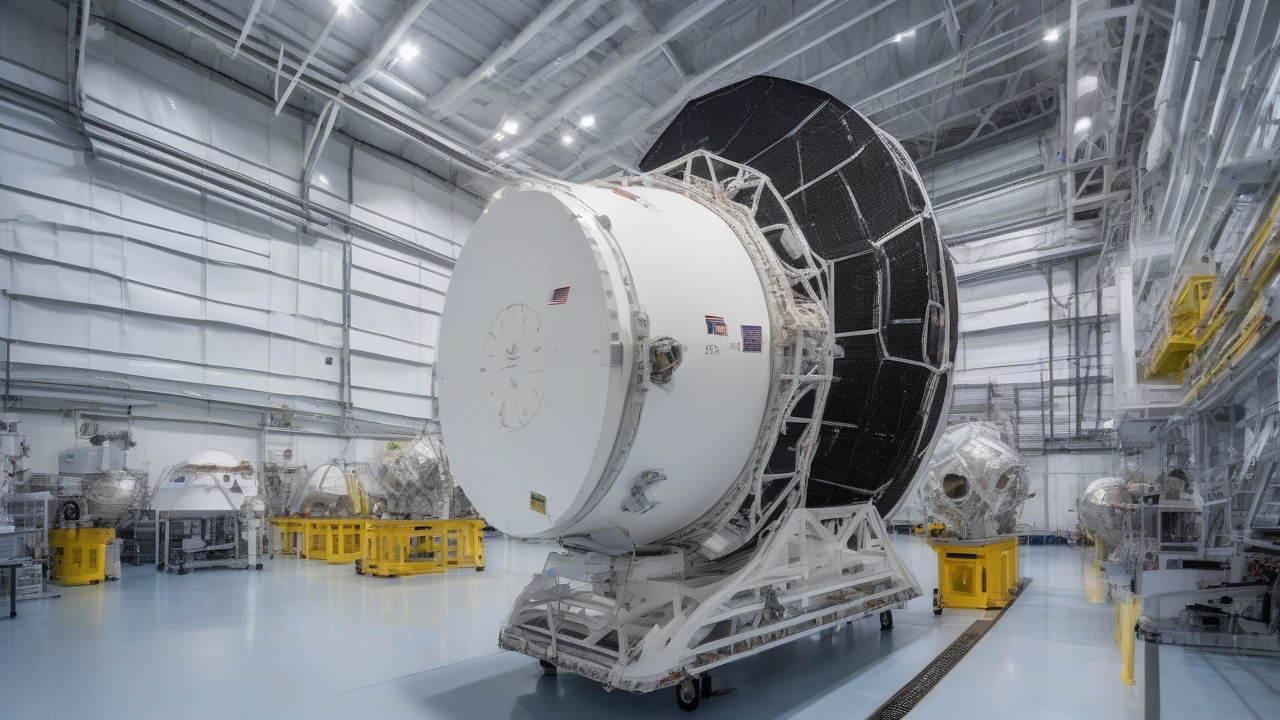
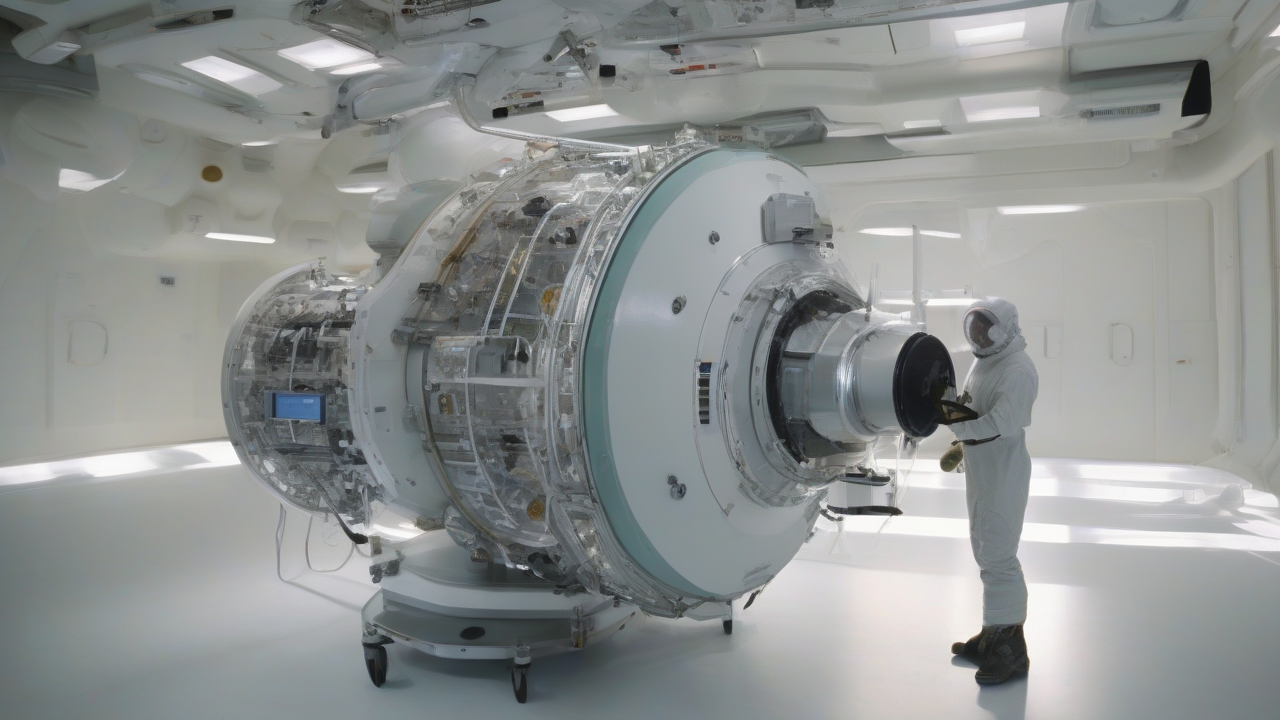
In a significant move to showcase humanity’s advancements in space exploration, the Smithsonian’s National Air and Space Museum has unveiled permanent exhibits featuring artifacts from two of NASA’s most ambitious projects: the James Webb Space Telescope and the Parker Solar Probe. According to NASA, a testing replica of the telescope’s “backbone” and a full-scale model of the Parker Solar Probe are now on display at the museum’s Steven F. Udvar-Hazy Center in Chantilly, Virginia.
A New Era in Space Exploration
The addition of these artifacts to the museum’s collection marks a new chapter in the story of space exploration, highlighting the incredible feats achieved by NASA in recent years. Analysts note that the James Webb Space Telescope, with its unprecedented capabilities, has revolutionized our understanding of the universe, while the Parker Solar Probe has pushed the boundaries of human knowledge by venturing closer to the Sun than any spacecraft before. Observers point out that these achievements demonstrate the power of human ingenuity and the importance of continued investment in space research.
Why It Matters
The exhibits at the Smithsonian Museum serve as a reminder of the significance of space exploration in advancing our understanding of the universe and driving technological innovation. As reported by NASA, the James Webb Space Telescope has already made several groundbreaking discoveries, including the detection of water vapor on distant planets and the observation of the formation of stars and galaxies in the early universe. The Parker Solar Probe, on the other hand, has provided scientists with valuable insights into the Sun’s corona and the solar wind, helping to improve our understanding of the complex interactions between the Sun and the Earth’s magnetic field.
Impact on the Public
The new exhibits are expected to have a significant impact on the public, inspiring a new generation of scientists, engineers, and explorers. According to sources, the Smithsonian Museum attracts millions of visitors each year, making it an ideal platform for showcasing NASA’s achievements and promoting interest in STEM education. By providing a unique glimpse into the latest advancements in space exploration, the museum hopes to spark curiosity and wonder in its visitors, encouraging them to learn more about the universe and our place within it.
What’s Next
As the exhibits continue to fascinate visitors, NASA is already looking to the future, with several new missions and projects in the pipeline. Analysts note that the agency’s upcoming Artemis program, aimed at returning humans to the Moon by 2025, is expected to be a major milestone in the next phase of space exploration. With the Smithsonian Museum’s exhibits serving as a reminder of the incredible achievements of the past, the public can look forward to even more exciting developments in the years to come. As the space agency continues to push the boundaries of human knowledge, one thing is clear: the future of space exploration is brighter than ever.
Reader Comments