
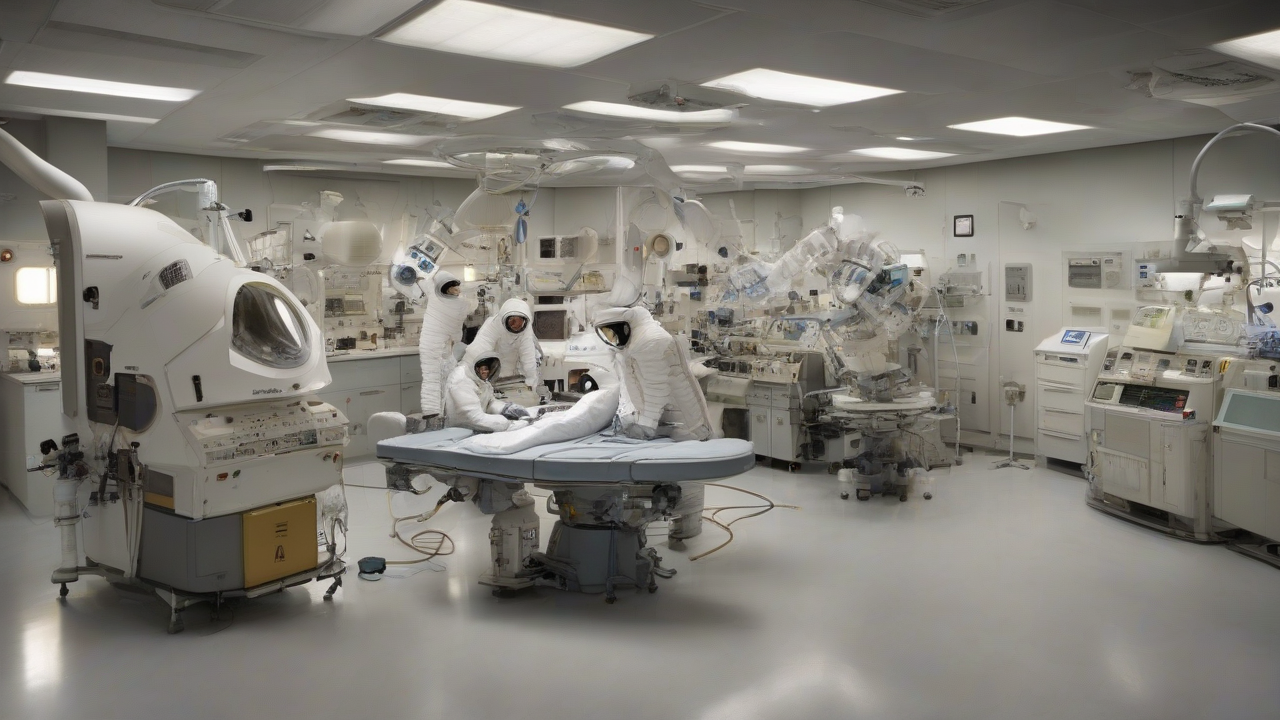
Introduction to NASA’s Visual Innovations
A crucial aspect of NASA’s mission to advance space exploration and scientific discovery is the creation of immersive visualizations and simulations. According to information from NASA, the Graphics and Visualization Lab (GVIS) at NASA Glenn Research Center plays a pivotal role in this endeavor. As of the latest updates available, GVIS has been actively engaged in developing a wide range of visual tools that support NASA’s diverse missions and projects.
The Role of GVIS in NASA’s Missions
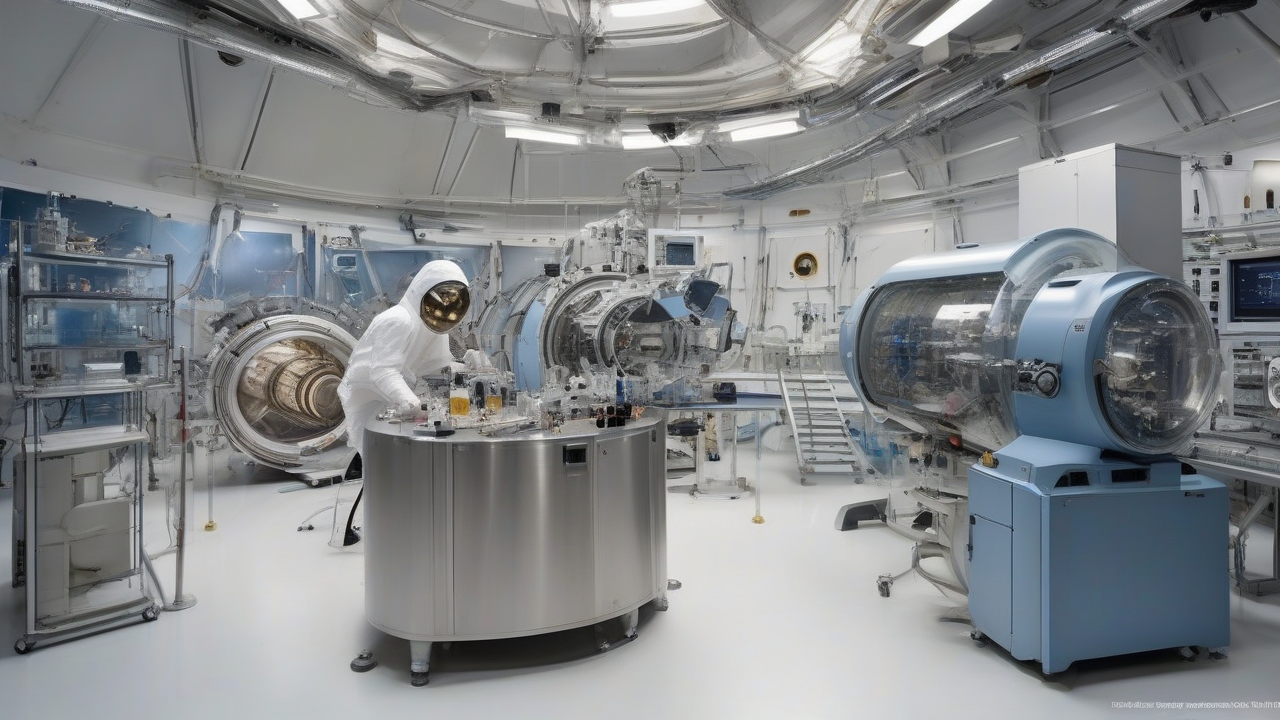
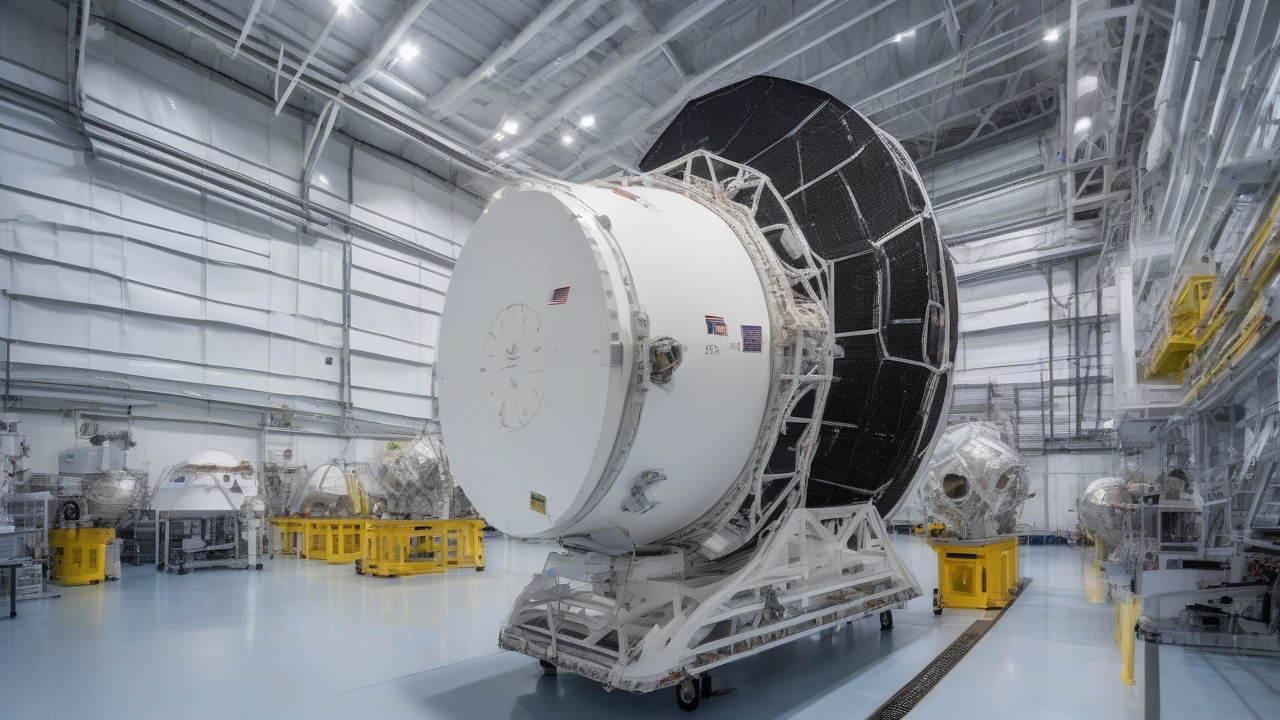
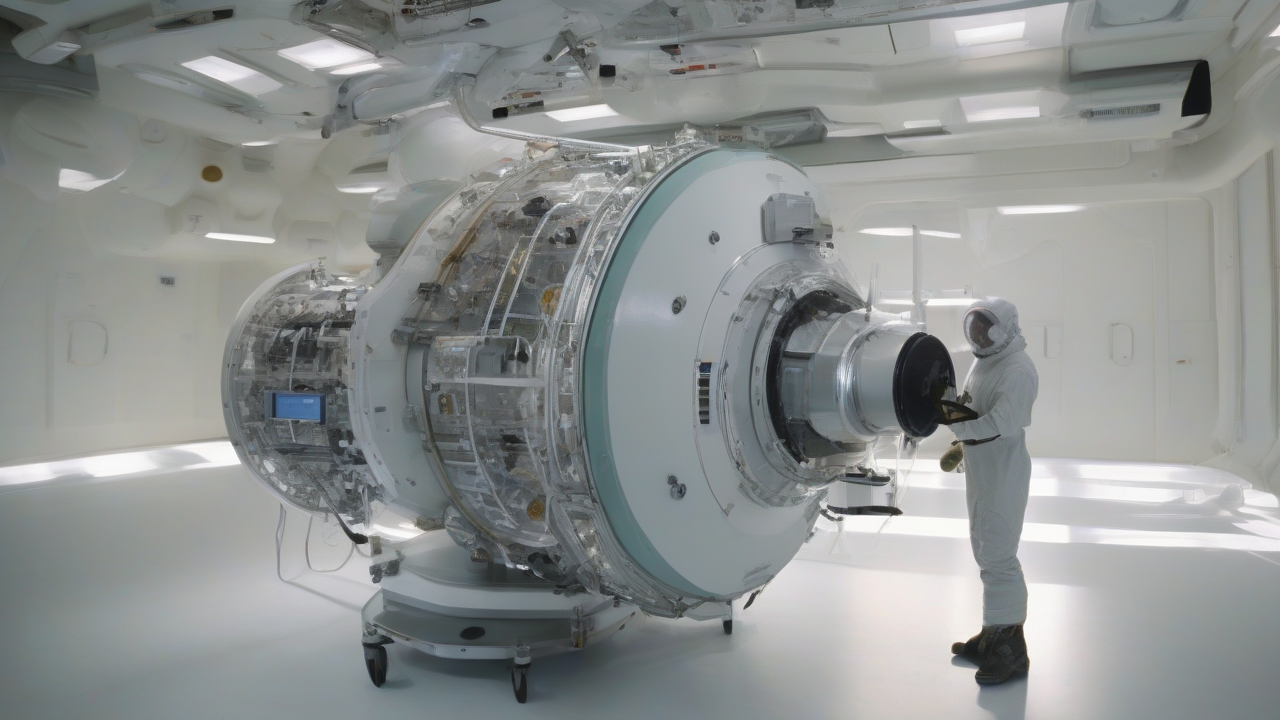
GVIS is tasked with the responsibility of designing conceptual visualizations for proposed NASA projects. These visualizations are not merely aesthetic; they serve as critical tools that help scientists, engineers, and researchers to conceptualize, design, and develop new solutions. By bringing projects to life through immersive visualizations, GVIS facilitates a deeper understanding of complex systems and phenomena, thereby enabling more effective planning and execution of NASA’s missions.
Impact on Scientific Discovery and Exploration
The work of GVIS has significant implications for the advancement of scientific knowledge and space exploration. Observers point out that the ability to visualize complex data and systems in an immersive and interactive manner can lead to breakthroughs in understanding and addressing some of the most pressing challenges in space exploration. Analysts note that such visualizations can also play a crucial role in communicating complex scientific concepts to the public, thereby fostering a broader interest in and support for space exploration.
Context and Broader Implications
The use of immersive visualizations and simulations in support of scientific research and exploration is part of a broader trend towards leveraging advanced technologies to enhance our understanding of the universe. As reported by NASA, the development of these visual tools reflects the agency’s commitment to innovation and its recognition of the importance of interdisciplinary approaches to problem-solving. Experts in the field highlight the potential of such technologies to revolutionize not only space exploration but also a wide range of scientific and engineering disciplines.
Future Developments and Applications
Looking ahead, the potential applications of the visualizations and simulations developed by GVIS are vast and varied. According to sources, future projects may involve the use of these tools in the planning and execution of missions to the Moon, Mars, and beyond. Additionally, the technologies developed by GVIS could have significant spin-off benefits, with potential applications in fields such as education, healthcare, and environmental science. As NASA continues to push the boundaries of space exploration and scientific discovery, the role of GVIS and its innovative visualizations is likely to remain at the forefront of these efforts.
Conclusion and Future Outlook
In conclusion, the work of the Graphics and Visualization Lab at NASA Glenn Research Center represents a critical component of NASA’s mission to advance our understanding of the universe. As the agency looks to the future, with plans for manned missions to Mars and a renewed focus on lunar exploration, the importance of immersive visualizations and simulations is likely to grow. With its innovative approach to visual design and simulation, GVIS is poised to play a key role in shaping the future of space exploration and scientific discovery. Sources indicate that upcoming developments and announcements from NASA will provide further insight into the agency’s plans and the role that GVIS will play in these endeavors.
Reader Comments