
Introduction to Immersive Visualizations
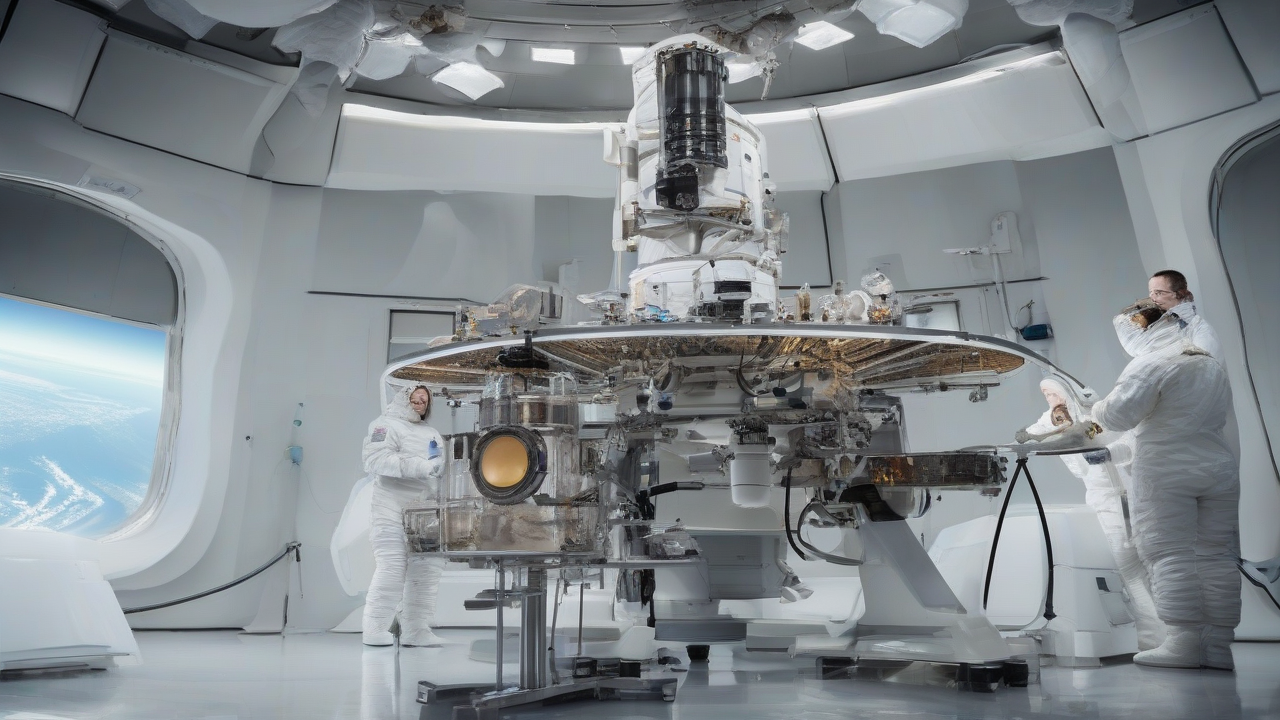
A crucial aspect of NASA’s mission to advance scientific knowledge and exploration is the creation of immersive visualizations and simulations. According to NASA, the Graphics and Visualization Lab (GVIS) at NASA Glenn Research Center plays a pivotal role in this endeavor. By developing a range of visual tools, GVIS enables scientists, engineers, and researchers to conceptualize and develop innovative solutions that can propel their projects forward.
The Role of GVIS in NASA’s Missions
GVIS’s work is integral to supporting NASA’s diverse missions, projects, and future innovations. As reported by NASA, these visualizations and simulations are designed to explain complex scientific concepts in an engaging and accessible manner. This not only facilitates a deeper understanding of the subject matter but also aids in the development of new technologies and approaches. Observers note that the use of such visual tools can significantly enhance the effectiveness of scientific research and engineering design.
Context and Implications
The importance of GVIS’s work cannot be overstated, given the increasingly complex nature of scientific and engineering challenges faced by NASA. Analysts point out that the ability to visualize and simulate complex phenomena is crucial for advancing our understanding of space and the universe. Moreover, the development of immersive visualizations can have far-reaching implications, from enhancing public engagement with science to informing critical decisions regarding space exploration and resource allocation.
Expert Perspective on Scientific Visualizations
Experts in the field emphasize the value of scientific visualizations in communicating complex ideas and facilitating collaboration among researchers. According to sources, these visualizations can help identify patterns, trends, and relationships that might not be immediately apparent from raw data. Furthermore, the move towards more immersive and interactive visualizations signals a significant shift in how scientific information is presented and consumed, potentially leading to new breakthroughs and insights.
Impact on Scientific Research and Engineering
The impact of GVIS’s work on scientific research and engineering is multifaceted. By providing researchers with powerful visual tools, GVIS enables them to explore complex systems and phenomena in unprecedented detail. This, in turn, can lead to the development of more sophisticated technologies and a deeper understanding of the underlying science. As noted by observers, the beneficiaries of this work extend beyond the scientific community, with potential applications in education, policy-making, and public outreach.
Future Developments and Watchpoints
Looking ahead, it will be crucial to monitor how GVIS continues to evolve and expand its capabilities. Upcoming developments in immersive visualization technologies, as well as their application in future NASA missions, will be important to watch. According to NASA, ongoing and future projects are expected to leverage these visualizations in innovative ways, potentially leading to significant advancements in our understanding of space and the universe. As the field continues to advance, keeping abreast of these developments will provide valuable insights into the future of scientific research and exploration.
Reader Comments