
Introduction to NASA’s Visualizations
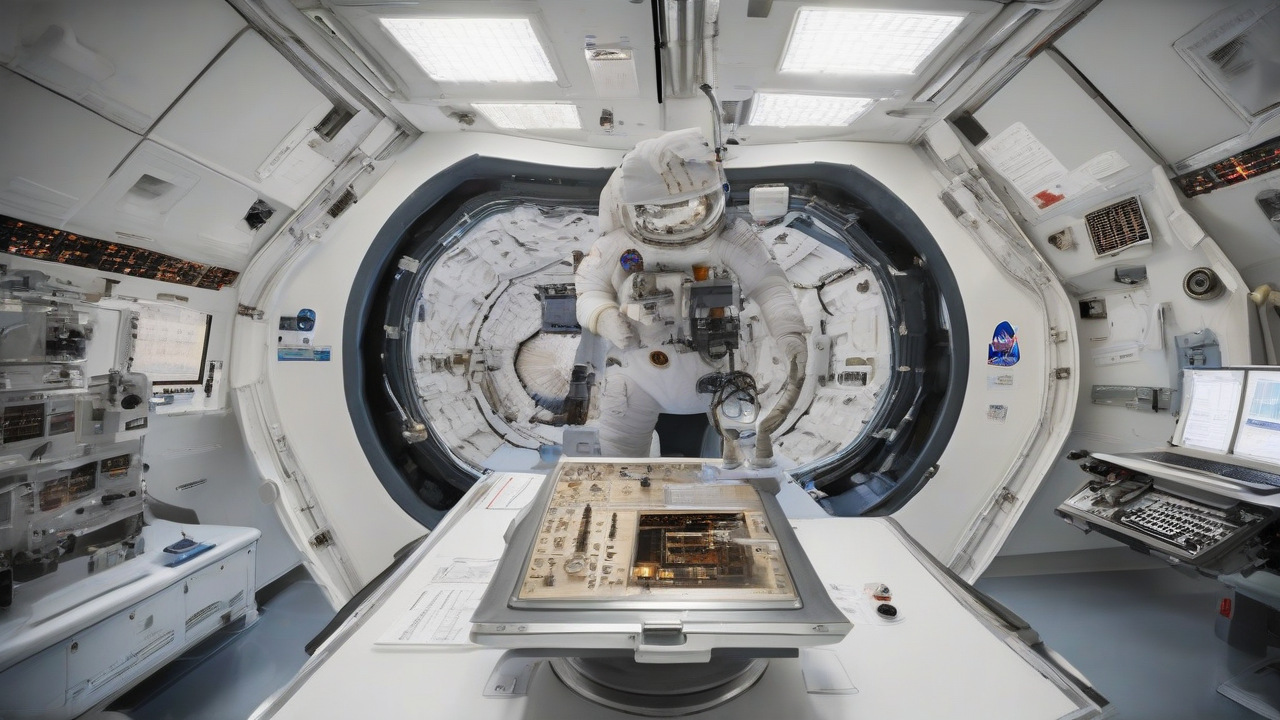
A crucial aspect of NASA’s mission success can be attributed to the immersive visualizations and simulations created by the Graphics and Visualization Lab (GVIS) at NASA Glenn Research Center, as reported by NASA. These visual tools play a pivotal role in helping scientists, engineers, and researchers develop innovative solutions to complex problems. According to NASA, the GVIS lab has been instrumental in supporting NASA’s missions, projects, and future innovations through its cutting-edge visualizations.
The Role of GVIS in NASA’s Missions
Observers point out that the GVIS lab’s visualizations are not limited to just conceptualizing ideas, but they also help in testing and validating various NASA projects. Analysts note that this approach enables researchers to identify potential issues and make necessary adjustments before the actual implementation of the projects. The move signals a significant shift towards more collaborative and immersive approaches to scientific research and development. As stated by NASA, the GVIS lab creates a variety of visualizations, including test facility models, which are essential for the development and testing of new technologies.
Impact on Scientific Research and Development
The impact of GVIS’s visualizations on scientific research and development cannot be overstated. Experts emphasize that these visual tools have the potential to revolutionize the way scientists and engineers approach complex problems. By providing an immersive and interactive environment, researchers can explore different scenarios, test hypotheses, and develop innovative solutions. According to sources, this approach has already led to significant breakthroughs in various fields, including aerospace engineering and astrophysics. As reported by NASA, the GVIS lab’s visualizations have been used to support a range of missions, from the development of new spacecraft to the study of celestial bodies.
Test Facility Models and Their Applications
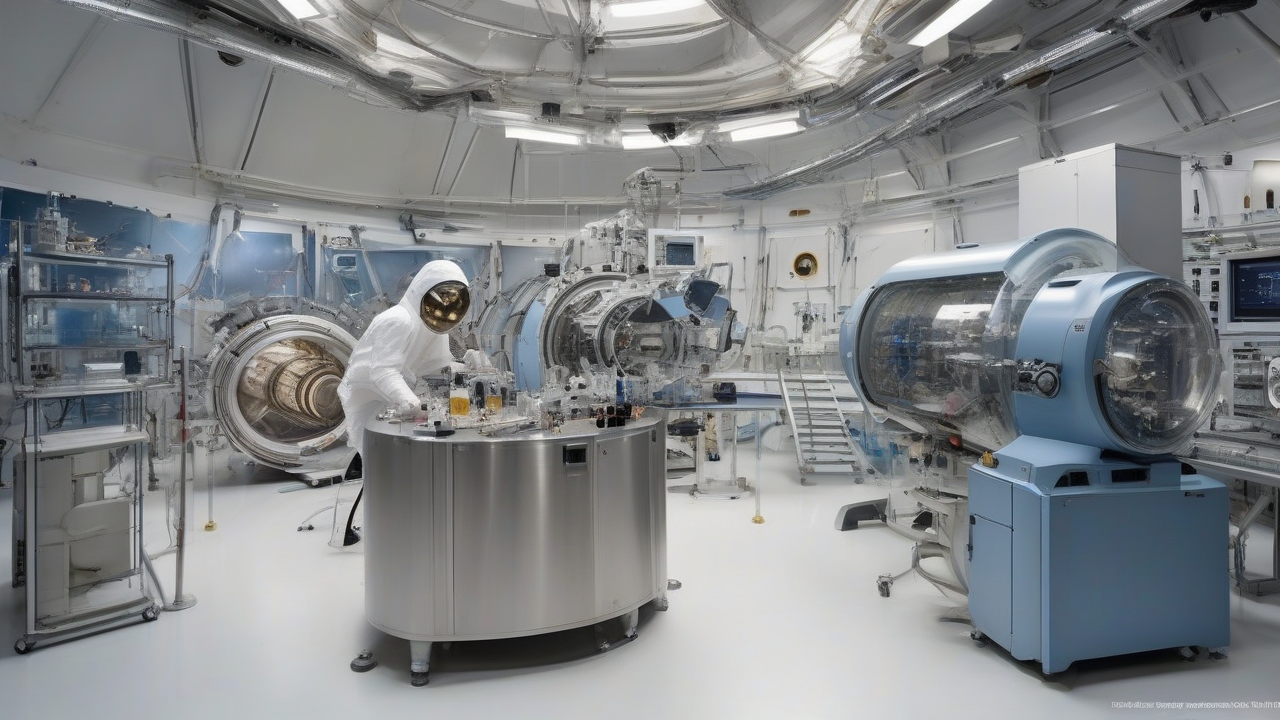
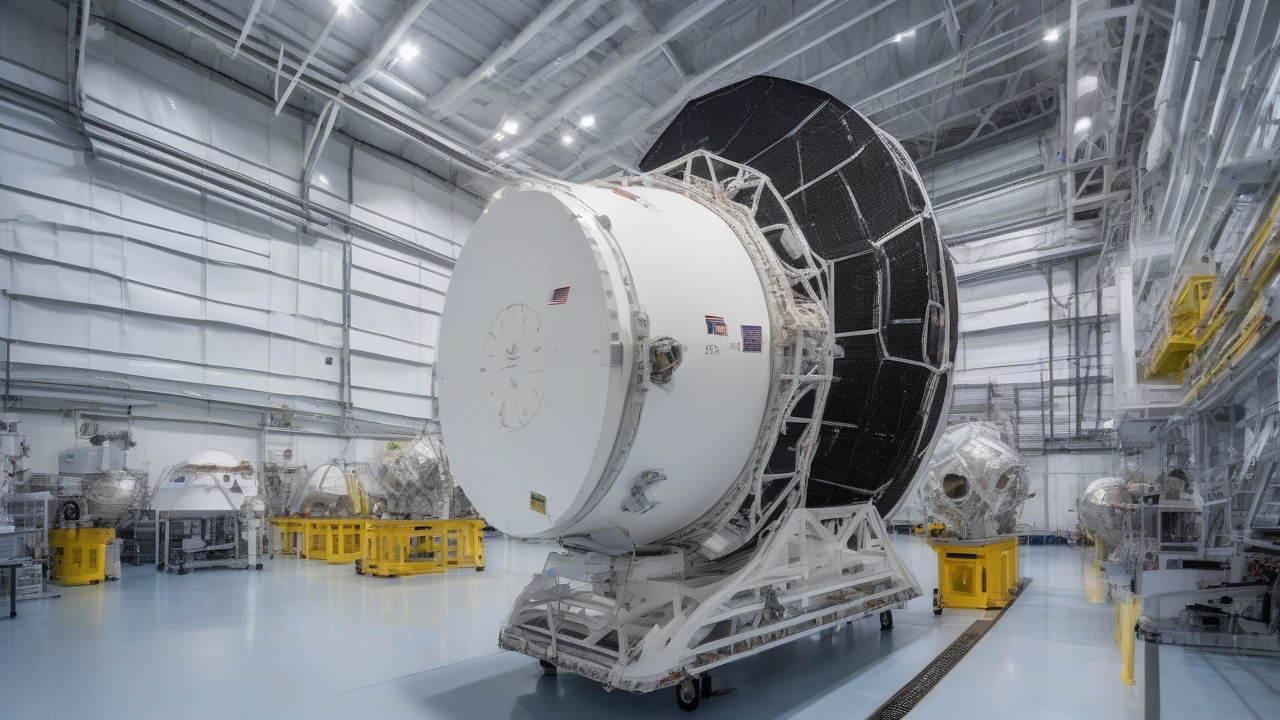
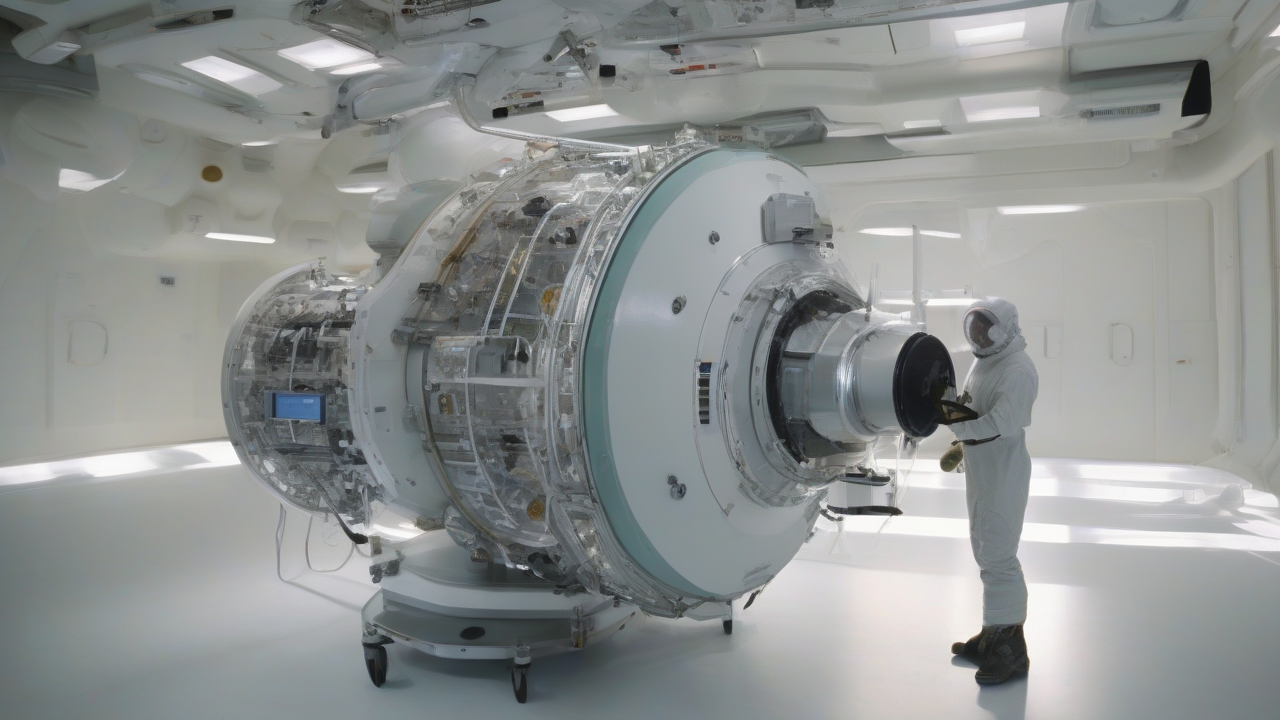
GVIS creates detailed visualizations of various NASA test facilities, which are used to test and validate new technologies. These models are incredibly detailed, allowing researchers to simulate real-world scenarios and test the performance of different systems. Observers point out that this approach has significantly reduced the risk of errors and has improved the overall efficiency of the testing process. Analysts note that the use of test facility models has also enabled researchers to test scenarios that would be impossible or impractical to replicate in real life.
Future Developments and Innovations
As NASA continues to push the boundaries of space exploration and scientific research, the role of GVIS’s visualizations is likely to become even more critical. Experts predict that the use of immersive visualizations and simulations will become increasingly prevalent in various fields, including education, training, and research. According to sources, NASA is already exploring new ways to utilize GVIS’s visualizations, including the development of virtual reality platforms and interactive simulations. As reported by NASA, the GVIS lab is committed to continuing its innovative work, supporting NASA’s missions and projects, and driving future innovations.
What to Watch Next
In the coming months, NASA is expected to announce new initiatives and projects that will utilize GVIS’s visualizations. Researchers and scientists will be closely watching these developments, as they have the potential to significantly impact the field of scientific research and development. As the use of immersive visualizations and simulations becomes more widespread, it will be interesting to see how these technologies are applied in different contexts and how they contribute to the advancement of human knowledge. According to NASA, the GVIS lab will continue to play a vital role in supporting NASA’s missions and driving future innovations, and its work will be closely followed by observers and analysts in the field.
Reader Comments