
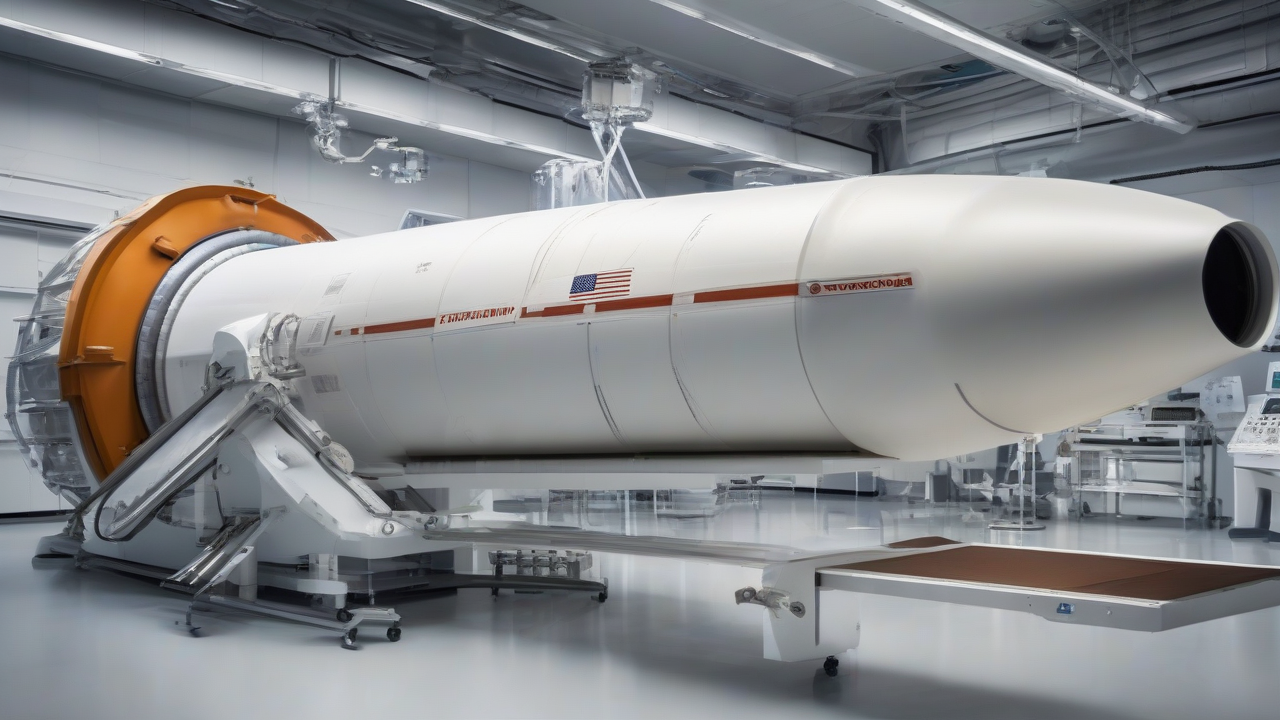
Introduction to Supersonic Flight Over Land
A significant development in the aviation industry is on the horizon, as NASA’s Low Boom Flight Demonstrator project (LBFD) aims to pave the way for commercial supersonic flight over land. According to NASA, this project is a crucial step towards establishing new aircraft noise standards, which are essential for lifting the federal ban on civilian supersonic flights over land that has been in place for over fifty years.
Background on the Ban
The ban on supersonic flights over land was implemented due to the disturbance caused by sonic boom noise. Sonic booms occur when an object breaks the sound barrier, producing a loud, thunder-like sound that can be disruptive to communities on the ground. As reported by NASA, the LBFD project is part of a broader effort to mitigate this issue and enable the development of supersonic aircraft that can operate over land without causing significant disturbance.
The Low Boom Flight Demonstrator Project
The LBFD project is a key component of NASA’s strategy to address the sonic boom issue. By designing and testing new aircraft configurations, NASA aims to reduce the noise associated with supersonic flight. According to sources, the project involves the development of a flight demonstrator that will be used to test and validate new noise reduction technologies. If successful, these technologies could pave the way for the establishment of new noise standards, which would be a significant step towards allowing commercial supersonic flight over land.
Implications for the Aviation Industry
The potential impact of the LBFD project on the aviation industry is substantial. As noted by observers, the ability to operate supersonic aircraft over land could revolutionize the way people travel, enabling faster and more efficient transportation. This, in turn, could have significant economic benefits, as well as implications for the environment and community development. Analysts point out that the establishment of new noise standards could also create new opportunities for the development of supersonic aircraft, driving innovation and investment in the industry.
What’s Next
As the LBFD project moves forward, several key developments are expected. According to NASA, the project is currently in the testing phase, with the flight demonstrator expected to undergo a series of tests to validate its performance. If these tests are successful, the next step will be to establish new noise standards, which will require collaboration between NASA, the Federal Aviation Administration (FAA), and other stakeholders. As reported by sources, this process is expected to take several years, with the goal of enabling commercial supersonic flight over land by the mid-2030s. With the LBFD project, NASA is taking a significant step towards making supersonic flight a reality, and the outcome of this project will be closely watched by the aviation industry and beyond.
Reader Comments