
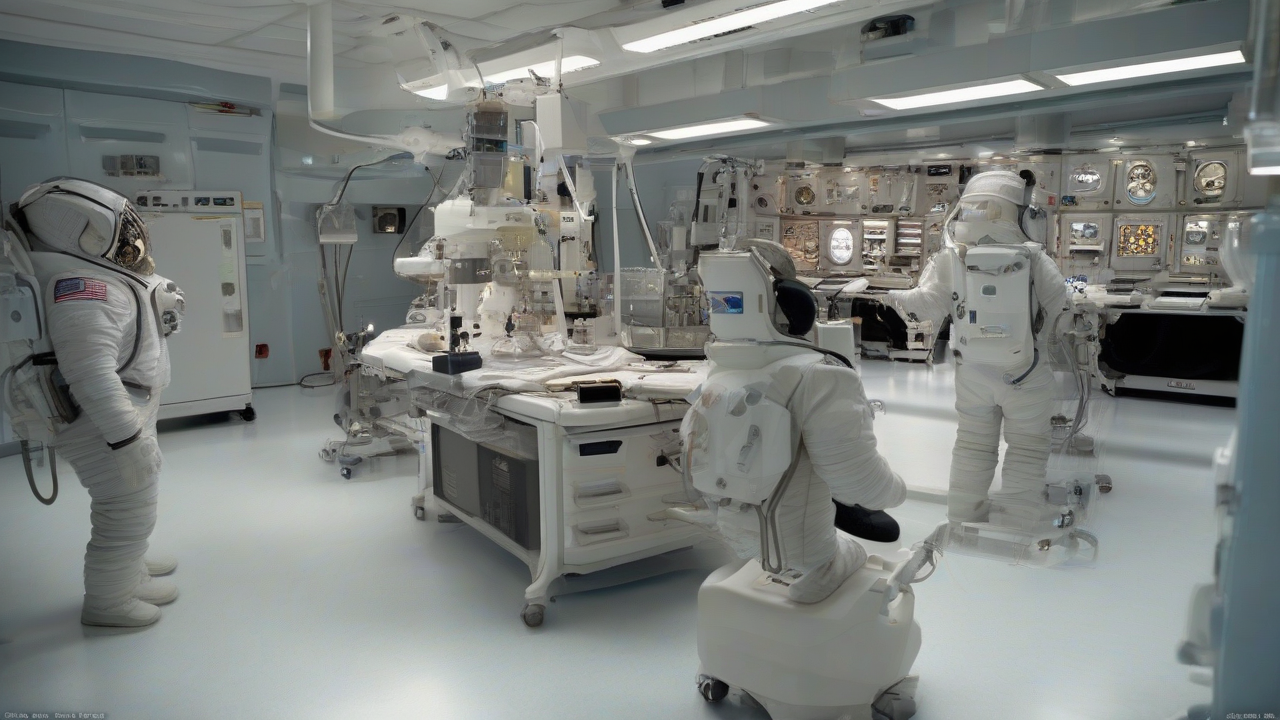
Introduction to NASA’s Innovative Visualization Tools
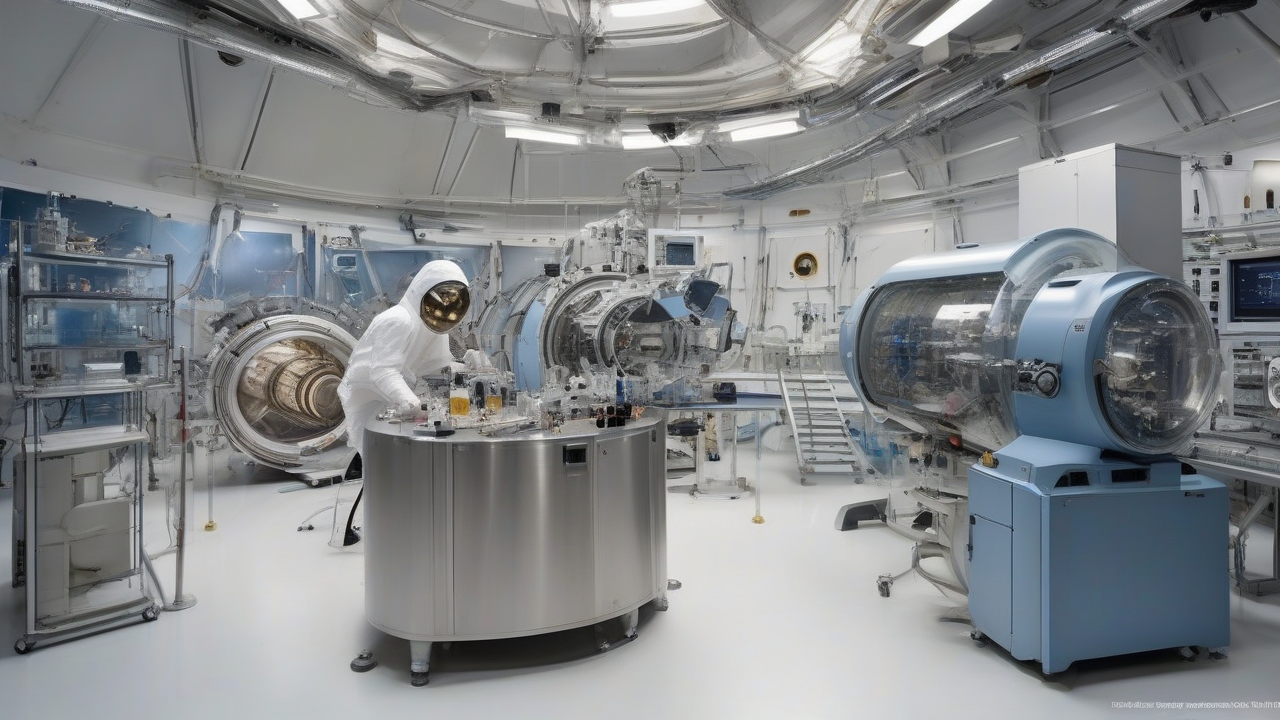
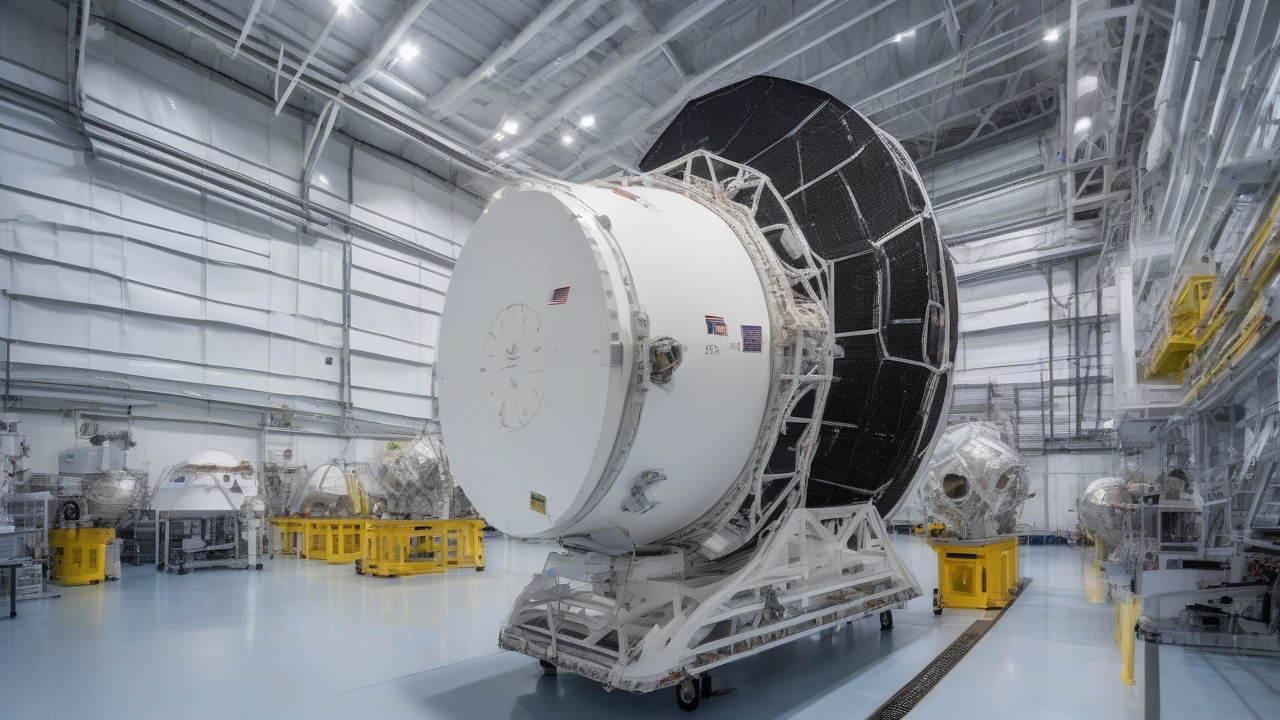
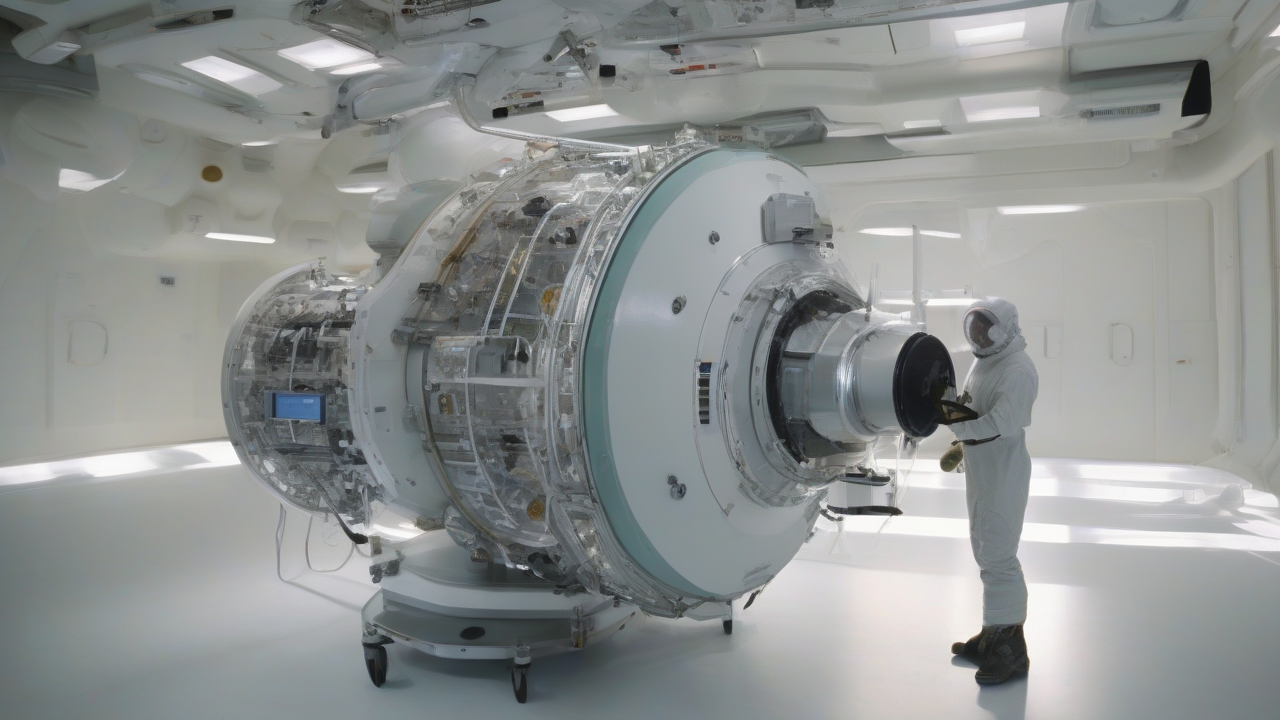
A crucial aspect of NASA’s mission to advance our understanding of the universe and improve life on Earth is the development of innovative visualization tools. According to NASA, the Graphics and Visualization Lab (GVIS) at NASA Glenn Research Center plays a pivotal role in creating immersive visualizations and simulations that support the agency’s missions and projects. As reported by NASA, these visual tools are designed to help scientists, engineers, and researchers develop new solutions and bring their projects to life.
The Importance of Scientific Visualizations
Analysts note that scientific visualizations are essential in explaining complex scientific concepts and phenomena. By creating interactive and dynamic visualizations, GVIS enables researchers to better understand and analyze large datasets, identify patterns, and make new discoveries. Observers point out that this approach has the potential to accelerate the development of new technologies and solutions, ultimately driving innovation and progress in various fields. According to sources, the use of scientific visualizations has already led to significant breakthroughs in fields such as astronomy, climate science, and materials engineering.
Impact on NASA’s Missions and Projects
The move signals a significant shift in how NASA approaches research and development. By leveraging the power of visualization, the agency can simulate complex scenarios, test hypotheses, and predict outcomes. This approach has far-reaching implications for NASA’s missions, including space exploration, Earth science, and aeronautics. As reported by NASA, the GVIS lab has already contributed to several high-profile projects, including the development of new propulsion systems and the simulation of asteroid trajectories.
Broader Implications and Future Developments
Experts note that the use of immersive visualizations and simulations has the potential to transform various industries and fields beyond NASA. The technology could be applied to fields such as healthcare, finance, and education, leading to new insights and innovations. However, observers also point out that the development of these tools requires significant investment in infrastructure, talent, and resources. As the field continues to evolve, it will be essential to address these challenges and ensure that the benefits of visualization technology are accessible to a broad range of stakeholders.
What to Watch Next
Looking ahead, NASA’s GVIS lab is expected to continue pushing the boundaries of visualization technology. According to sources, the lab is currently working on several new projects, including the development of virtual reality tools for space exploration and the creation of interactive visualizations for climate science research. As these projects come to fruition, they are likely to have a significant impact on our understanding of the universe and our ability to address complex challenges. With the GVIS lab at the forefront of innovation, it will be exciting to see how their work shapes the future of research and development.
Reader Comments