
Introduction to Immersive Visualizations
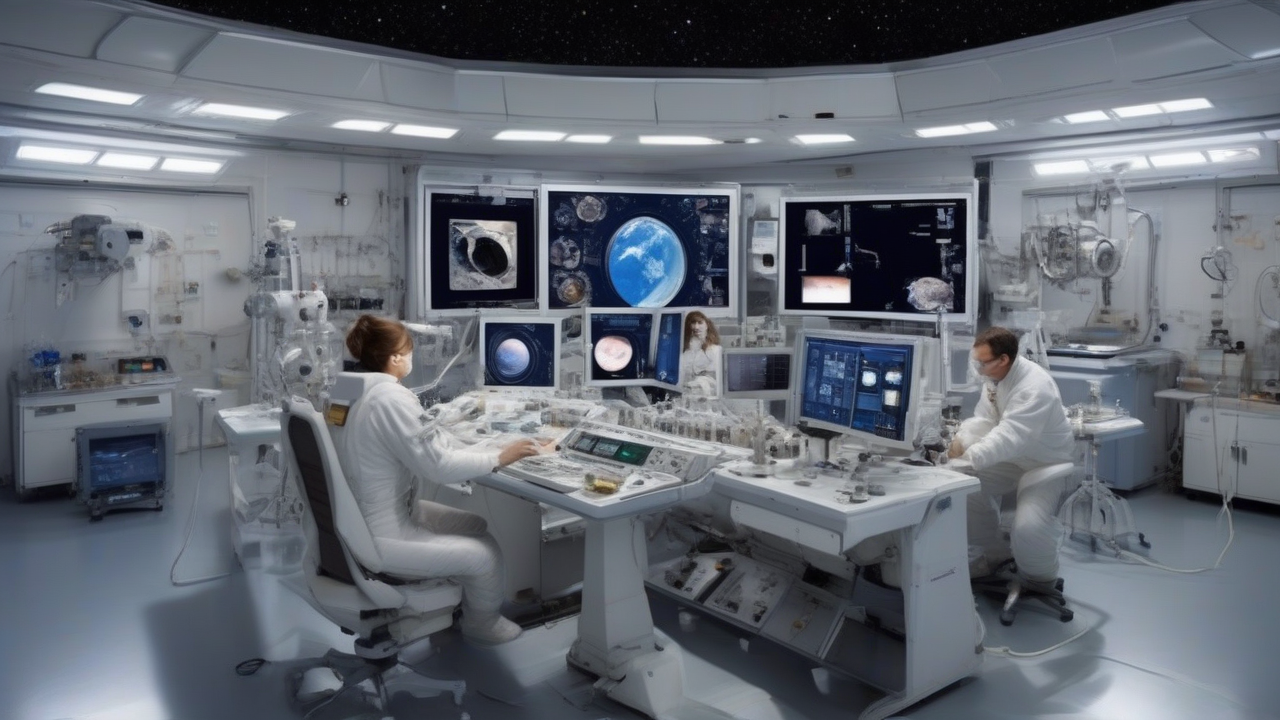
A crucial aspect of NASA’s mission to advance scientific knowledge and exploration is the development of innovative visual tools. According to NASA, the Graphics and Visualization Lab (GVIS) at NASA Glenn Research Center is at the forefront of creating immersive visualizations and simulations that support the agency’s missions and projects. As reported by NASA, these visual tools play a vital role in helping scientists, engineers, and researchers develop new solutions and bring their projects to life.
The Role of GVIS Lab
Observers point out that the GVIS Lab is instrumental in creating virtual system simulations that enable NASA teams to test and refine their ideas in a virtual environment. This approach allows for the identification and mitigation of potential risks and challenges before actual implementation, thereby saving time and resources. Analysts note that the use of immersive visualizations and simulations is a key factor in the success of NASA’s projects, as it enables teams to collaborate more effectively and make informed decisions.
Impact on NASA’s Missions
The impact of the GVIS Lab’s work is far-reaching, affecting various aspects of NASA’s operations. For instance, the lab’s visual tools help scientists and engineers design and test new spacecraft and equipment, while also enabling them to simulate complex space missions and scenarios. According to sources, this capability is essential for ensuring the safety and success of NASA’s missions, as it allows teams to anticipate and prepare for potential challenges and obstacles.
Broader Implications
The work of the GVIS Lab also has broader implications for the field of science and technology. Experts point out that the use of immersive visualizations and simulations is becoming increasingly important in various industries, including healthcare, education, and entertainment. As reported by NASA, the agency’s investment in this technology is expected to yield significant returns, not only in terms of advancing scientific knowledge but also in terms of driving innovation and economic growth.
Future Developments
Looking ahead, observers expect the GVIS Lab to continue pushing the boundaries of immersive visualizations and simulations. With the lab’s capabilities expanding rapidly, analysts predict that NASA will be able to tackle even more complex and ambitious projects in the future. As NASA continues to explore new frontiers, the role of the GVIS Lab in supporting these efforts is likely to become even more critical. According to NASA, the agency is committed to investing in this technology, and the results are expected to be transformative.
What to Watch Next
As the GVIS Lab continues to advance the field of immersive visualizations and simulations, there are several developments to watch in the coming months and years. One key area to watch is the application of this technology to NASA’s upcoming missions, including the Artemis program and the Mars Exploration Program. Additionally, observers will be keen to see how the lab’s work in this area contributes to the development of new technologies and innovations that can be applied to a wide range of fields and industries.
Reader Comments