
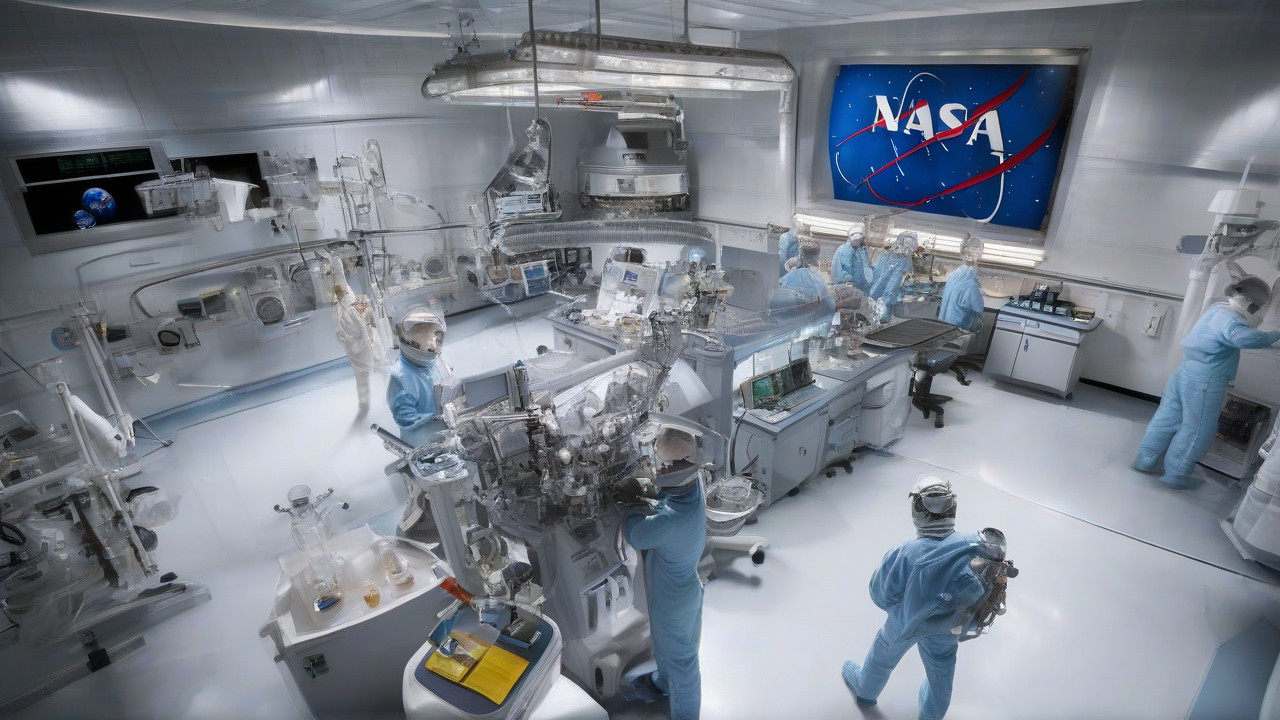
Breaking the Fuel Barrier in Space Exploration
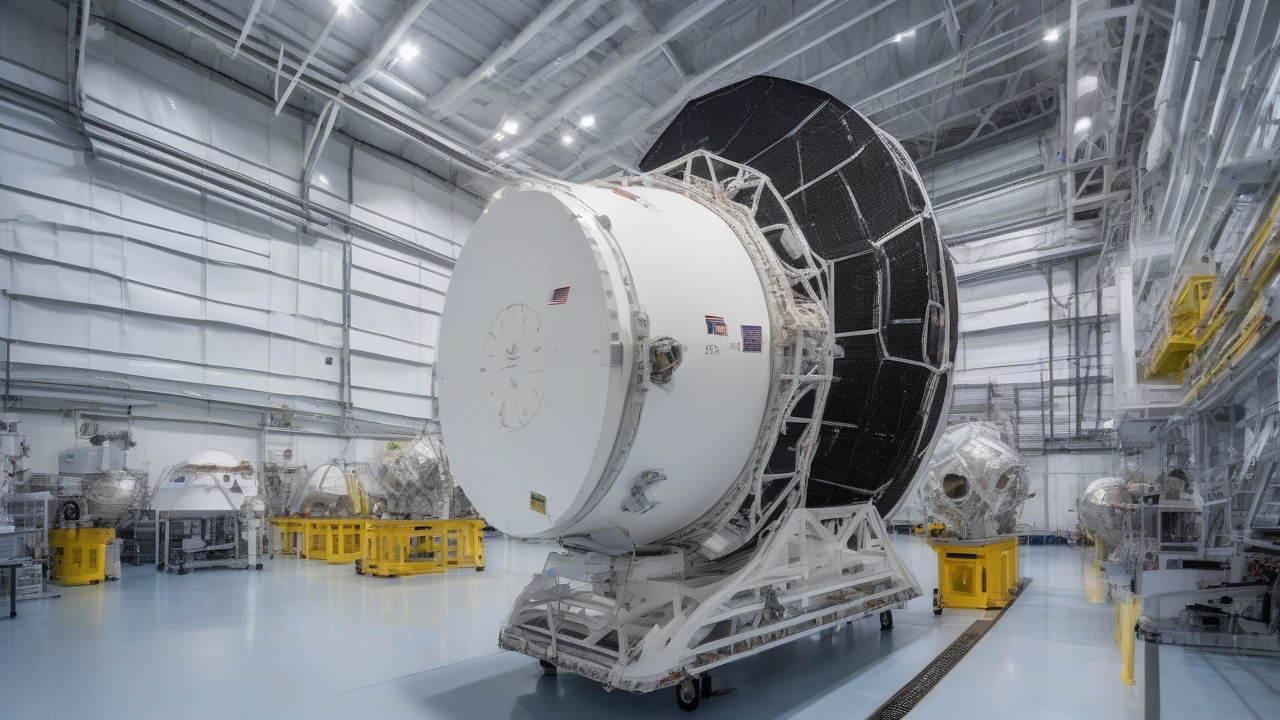
A significant challenge in space travel is the amount of fuel required for long-distance missions. As reported by NASA, the farther the destination, the more fuel a rocket needs, which in turn increases the weight of the spacecraft, requiring even more fuel to launch. This vicious cycle has been a major obstacle in planning extended space missions. However, experts at NASA’s Glenn Research Center in Cleveland are working on a solution that could revolutionize the way NASA fuels its future space exploration missions.
The CryoFILL Project: A Game-Changer in Space Fueling
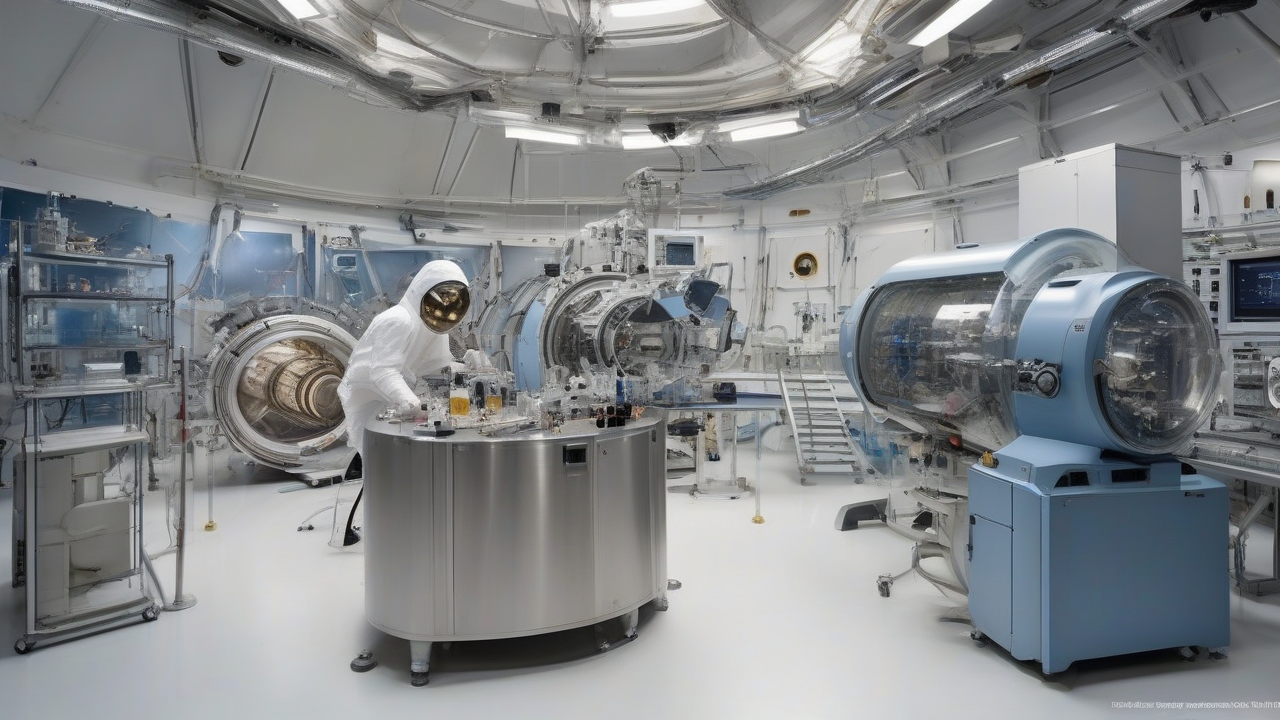
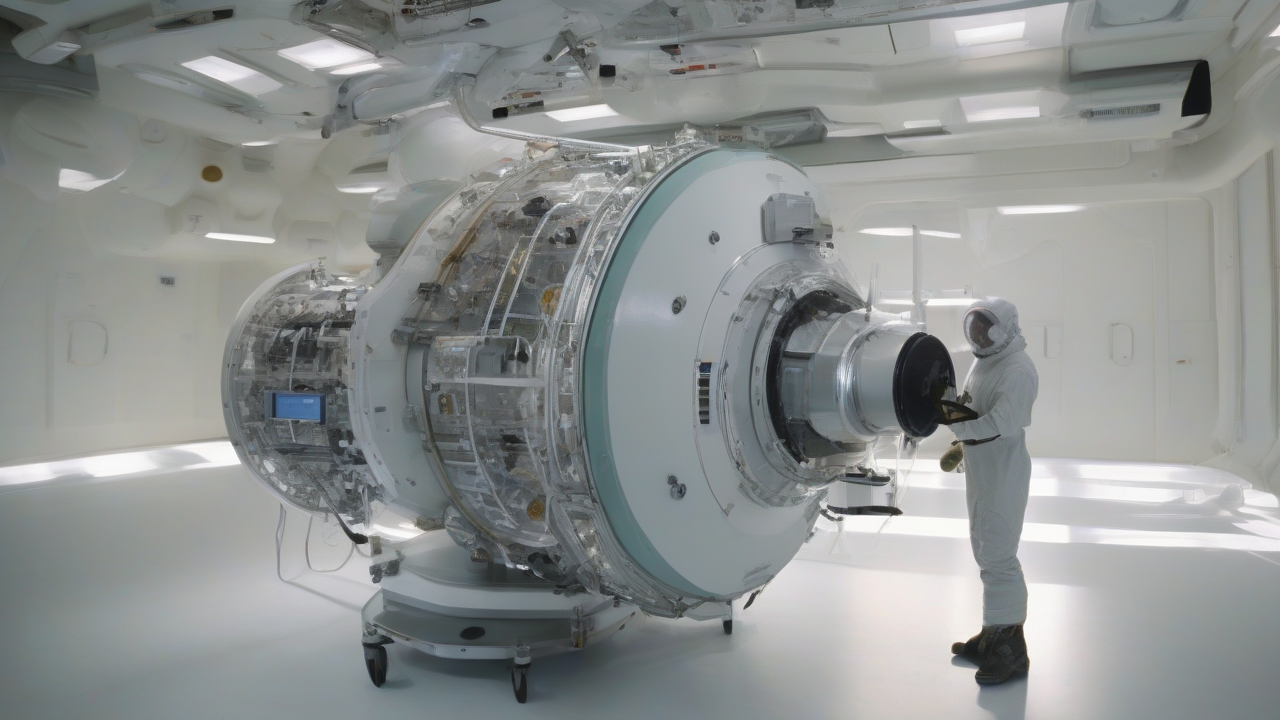
The CryoFILL (Cryogenic Fluid In-Situ Liquefaction for Landers) project aims to transform the way NASA fuels its landers by leveraging in-situ resource utilization (ISRU) technology. According to NASA, this technology has the potential to reduce costs and extend the duration of planetary surface operations. By using resources found on other planets, such as water ice, to produce fuel, NASA can significantly decrease the amount of fuel that needs to be carried from Earth. This approach not only reduces the weight of the spacecraft but also increases the efficiency of the mission.
Why It Matters: The Broader Implications of ISRU Technology
Analysts note that the successful implementation of ISRU technology could have far-reaching implications for space exploration. It could enable longer stays on planetary surfaces, allowing scientists to conduct more extensive research and gather more data. Additionally, it could pave the way for more ambitious missions, such as establishing a sustainable human presence on the Moon or Mars. As observers point out, the ability to produce fuel in-situ could be a crucial factor in making these missions feasible.
The Impact on Future Space Missions
The CryoFILL project has the potential to affect a wide range of stakeholders, from NASA engineers and scientists to private space companies and the general public. According to sources, the technology could reduce the costs associated with space missions, making them more accessible to a wider range of participants. Furthermore, it could enable more frequent and longer-duration missions, leading to a greater understanding of our solar system and its many mysteries.
What’s Next: Upcoming Developments and Milestones
As the CryoFILL project continues to advance, NASA will be closely monitoring its progress and evaluating its potential for future missions. According to NASA, the next steps will involve further testing and refinement of the technology, with the goal of integrating it into upcoming space missions. As reported by NASA, the success of this project could be a major breakthrough in space exploration, enabling more efficient, cost-effective, and sustainable missions to destinations throughout our solar system. Sources indicate that NASA will provide updates on the project’s progress, and the public can expect to hear more about this innovative technology in the coming months.
Reader Comments