
NASA Embarks on Ambitious Dragonfly Mission to Explore Saturn’s Moon Titan
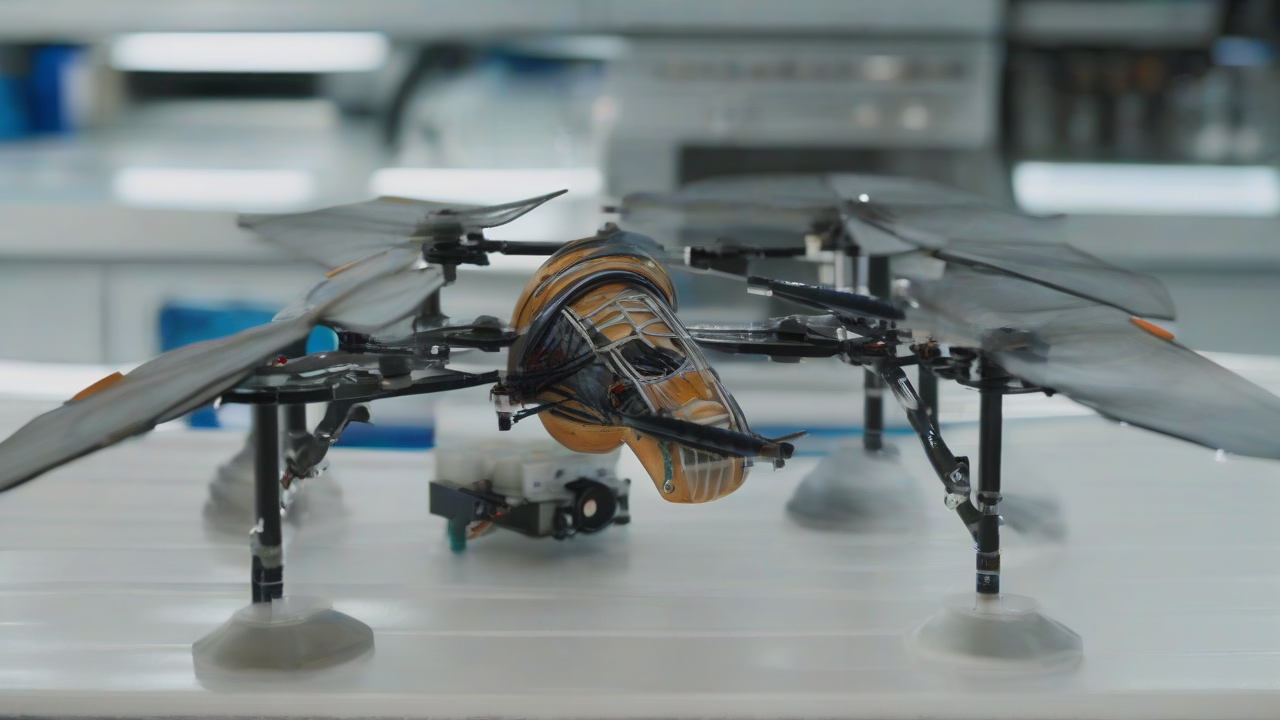
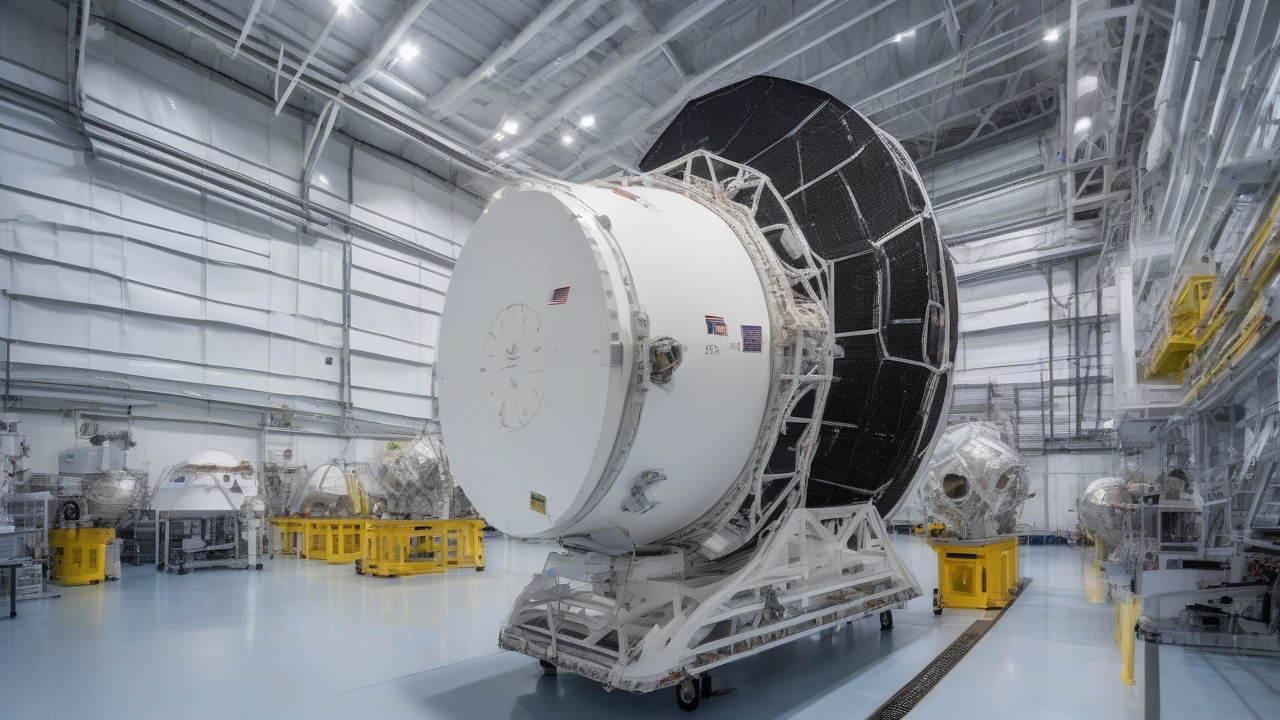
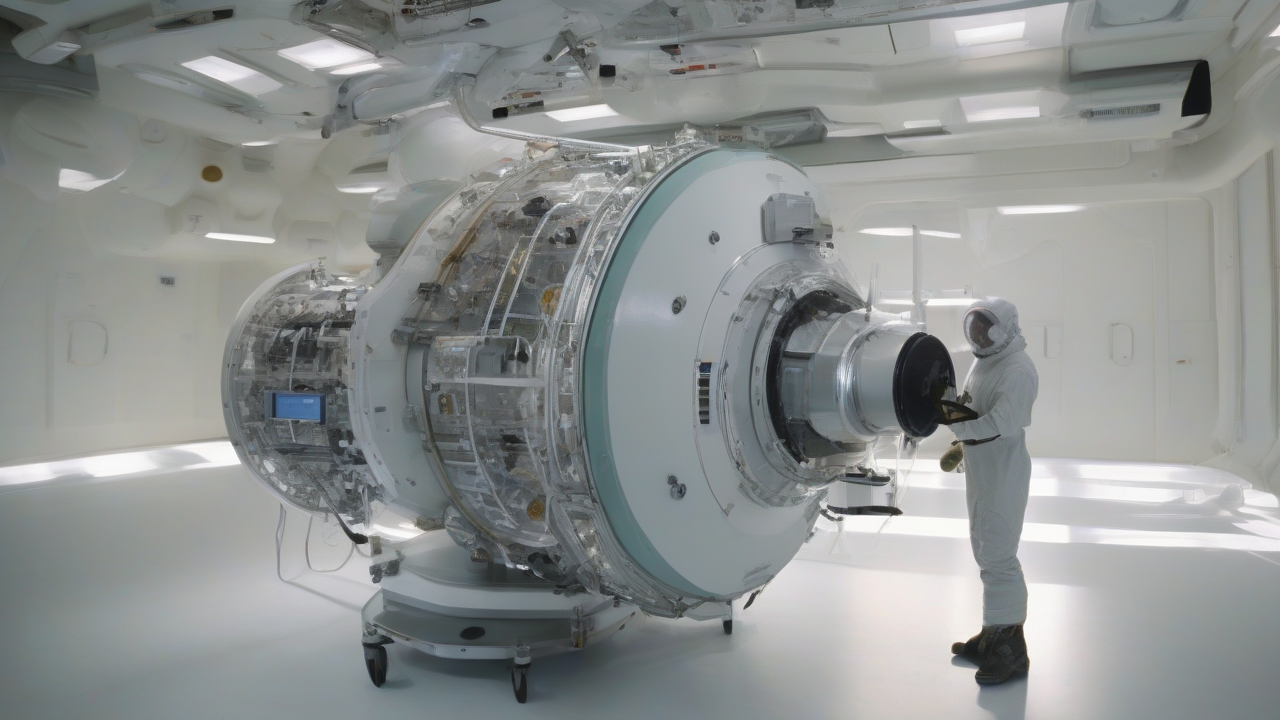
In a significant development, NASA has initiated the construction of a nuclear-powered drone, dubbed Dragonfly, slated for launch in 2028 to explore Saturn’s moon Titan. According to sources, including the Johns Hopkins University Applied Physics Laboratory, the Dragonfly mission has entered a critical phase of rotorcraft integration and testing. This milestone marks a major step forward in the agency’s efforts to send a helicopter-lander to another moon in our solar system, with the ultimate goal of uncovering the secrets of Titan’s mysterious environment.
Context and Significance
The Dragonfly mission is part of a broader endeavor to explore the outer reaches of our solar system and gain insights into the origins of life. As reported by The Daily Galaxy, the nuclear-powered drone will be equipped with eight car-sized rotors, enabling it to fly through Saturn’s icy atmosphere and search for signs of prebiotic chemistry. This could potentially reveal how life began, a question that has fascinated scientists and the public alike for centuries. Observers note that the success of the Dragonfly mission could have far-reaching implications for our understanding of the universe and the potential for life beyond Earth.
Technical Challenges and Innovations
The development of the Dragonfly drone poses significant technical challenges, including the integration of a nuclear power source and the design of a rotorcraft capable of withstanding the harsh conditions on Titan. Analysts point out that the use of nuclear power will provide the drone with a reliable and long-lasting source of energy, essential for the mission’s success. The drone’s rotors, which will be approximately the size of a car, will also require sophisticated engineering to ensure stable and efficient flight in Titan’s dense atmosphere.
Impact and Implications
The Dragonfly mission has the potential to significantly impact our understanding of the solar system and the search for life beyond Earth. As noted by The Union-Recorder, the mission could provide valuable insights into the chemistry and geology of Titan, which is believed to have conditions similar to those of early Earth. The success of the mission could also pave the way for future explorations of the outer solar system and the search for life on other moons and planets.
What’s Next
With the construction of the Dragonfly drone underway, NASA is poised to make significant progress in the coming years. According to sources, the mission is scheduled to launch in 2028, with the drone expected to land on Titan in 2034. As the mission progresses, scientists and the public will be eagerly awaiting updates on the drone’s development and the discoveries it is expected to make. The Dragonfly mission is a testament to human ingenuity and the drive to explore and understand the universe, and its success could have far-reaching implications for the future of space exploration.

Reader Comments