
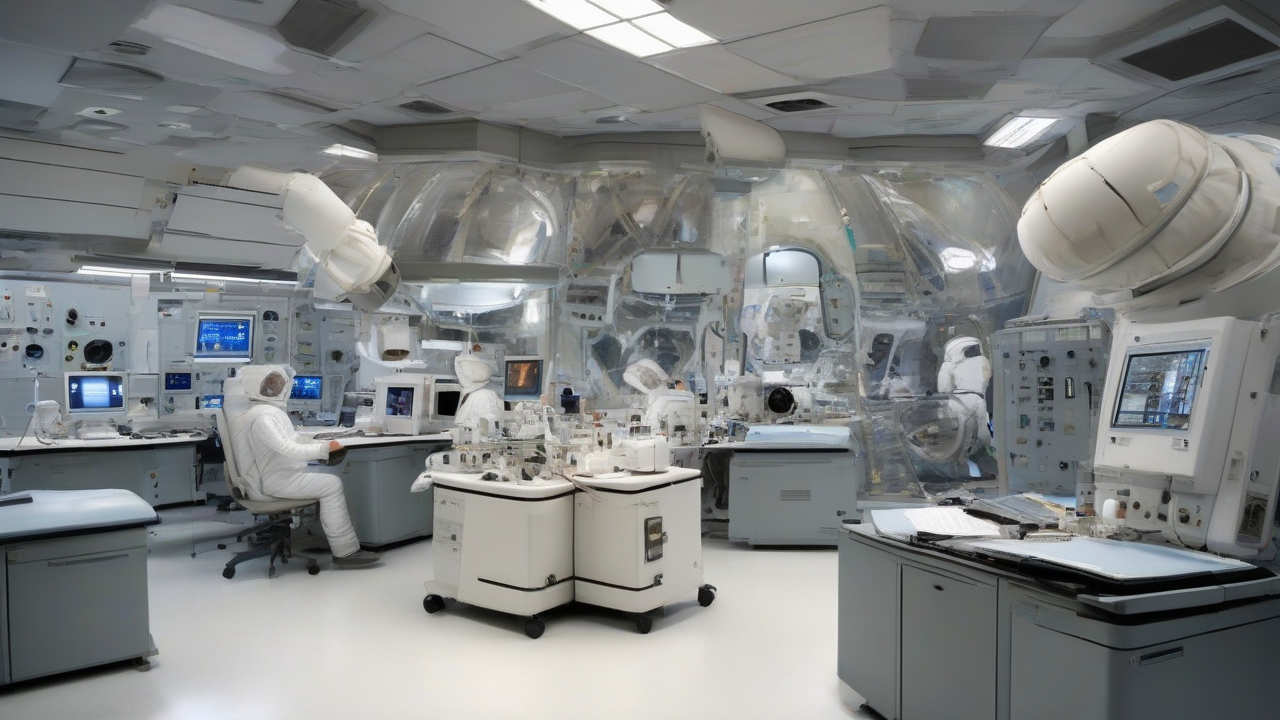
Introduction to a New Era of Space-Based Illumination
A proposal to launch a massive mirror satellite into space, designed to reflect sunlight onto cities at night, is currently under review by the Federal Communications Commission (FCC), according to reports from Futurism and The New York Times. This innovative idea, spearheaded by a California-based startup, aims to provide “sunlight on demand” but has sparked intense debate among scientists and experts regarding its potential impact on wildlife and human health.
The Concept and Its Implications
The startup’s plan involves launching a constellation of 50,000 mirrors into space, which would be positioned to reflect sunlight towards specific areas on Earth during nighttime hours. As reported by the Daily Mail Online, this concept has been met with skepticism by many, who warn of “serious risks” associated with the project. Observers point out that such a system could disrupt natural sleep patterns and have unforeseen effects on the environment. Analysts note that the long-term consequences of exposing urban areas to artificial sunlight at night are not yet fully understood and require further study.
Context and Broader Trends
The move signals a growing interest in space-based technologies designed to manipulate or augment natural phenomena for human benefit. Experts suggest that this trend is part of a larger shift towards utilizing space as a resource to solve earthly problems, including energy shortages and environmental challenges. However, as highlighted by Jordan News, there are also concerns about the cumulative impact of satellite constellations on human sleep and health, underscoring the need for rigorous scientific assessment and regulatory oversight.
Impact Analysis and Stakeholders
The potential launch of such a satellite system would affect a wide range of stakeholders, including urban residents, wildlife, and the scientific community. According to VICE, the implications of this technology extend beyond the immediate effects on sleep patterns and ecosystem disruption, touching on issues of privacy, light pollution, and the ethical use of space technology. Sources indicate that a thorough impact analysis is crucial to understanding the full scope of these effects and to informing the FCC’s decision.
Expert Perspectives and Concerns
Analysts and observers are urging caution, emphasizing the importance of comprehensive environmental and health impact assessments before any decision is made. They point out that while the idea of providing sunlight on demand may seem appealing, the potential risks to both human health and the environment cannot be overlooked. As reported by Futurism and The New York Times, experts are calling for a more nuanced discussion about the benefits and drawbacks of this technology, considering both the short-term gains and the long-term consequences.
Forward-Looking Developments
As the FCC deliberates on the startup’s proposal, the scientific community and the public await the outcome with interest. Upcoming decisions by the regulatory body will be closely watched, with many anticipating a detailed evaluation of the project’s feasibility, safety, and potential impact. According to sources, the next steps will include a thorough review of the startup’s plans, public consultations, and potentially, further research into the effects of space-based illumination on urban ecosystems and human health. The world will be watching as this innovative yet controversial proposal moves forward, setting a precedent for future space-based initiatives aimed at manipulating natural phenomena for human benefit.
Reader Comments