
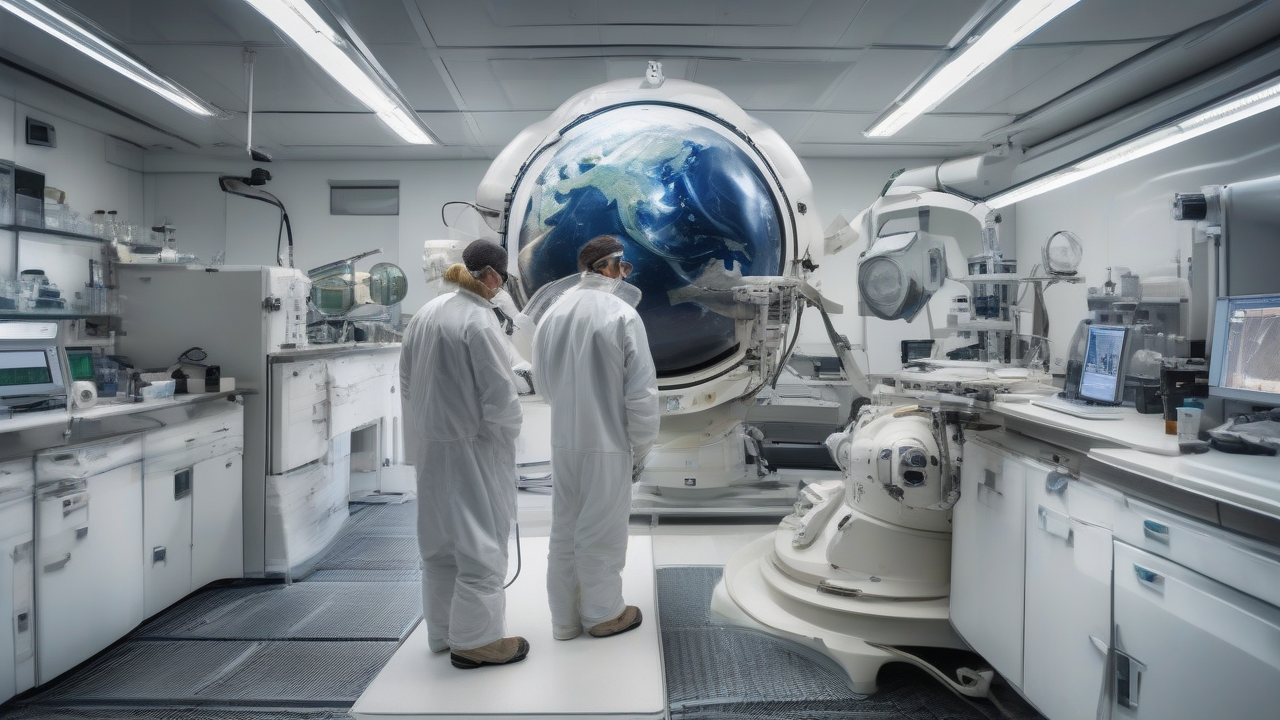
Unprecedented Slowing of Earth’s Spin Linked to Climate Change
A significant finding in the field of geophysics, as reported by Phys.org, indicates that climate change is causing the Earth’s spin to slow down at a rate unparalleled in the past 3.6 million years. This phenomenon is directly linked to rising sea levels, which are contributing to the lengthening of Earth’s days. According to observers, this change in the Earth’s rotation is a clear manifestation of the profound impact of climate change on our planet’s physical processes.
Context and Implications
Analysts note that the slowing of the Earth’s spin is not a new phenomenon, but the current rate is alarming due to its unprecedented speed compared to historical data. The movement of mass around the globe, such as the redistribution of water from the poles to the equator due to melting ice caps, affects the Earth’s moment of inertia, thereby slowing its rotation. This process, while complex, underscores the interconnectedness of Earth’s systems and the far-reaching consequences of climate change. Experts point out that understanding these changes is crucial for predicting future environmental shifts and their potential impacts on global climate patterns, sea levels, and weather events.
Impact on Global Systems
The lengthening of Earth’s days, although slight, has significant implications for various aspects of our planet’s functioning, including tidal patterns, ocean currents, and the stability of satellites in orbit. As the Earth’s rotation slows, the duration of a day increases, a change that, while minute, contributes to alterations in these critical systems. The move signals a need for continued research into the effects of climate change on Earth’s fundamental processes, as these changes can have cascading effects on ecosystems, biodiversity, and human societies.
Expert Analysis and Future Directions
Observers point out that the study of Earth’s rotation and its response to climate change offers valuable insights into the planet’s resilience and vulnerability. As reported by R&D World, rising sea levels are a key factor in this process, highlighting the urgency of addressing global warming and its consequences. The scientific community is closely watching these developments, with many analysts emphasizing the importance of sustained monitoring and research to better understand and predict the outcomes of these changes. According to sources, future studies will likely focus on the intricate relationships between climate change, sea level rise, and Earth’s rotational dynamics, aiming to provide more precise forecasts and mitigation strategies.
Looking Ahead
As the world continues to grapple with the challenges posed by climate change, the slowing of Earth’s spin serves as a stark reminder of the scale and complexity of these issues. With upcoming international climate meetings and deadlines for reducing greenhouse gas emissions, the next few months will be critical in determining the global response to these challenges. Analysts indicate that the success of these efforts will depend on the ability of nations to collaborate and implement effective policies to mitigate the effects of climate change, including its impact on Earth’s fundamental processes like its rotation. As the situation evolves, it will be essential to watch for new research findings, policy announcements, and international agreements that could shape the future of our planet.
Reader Comments