
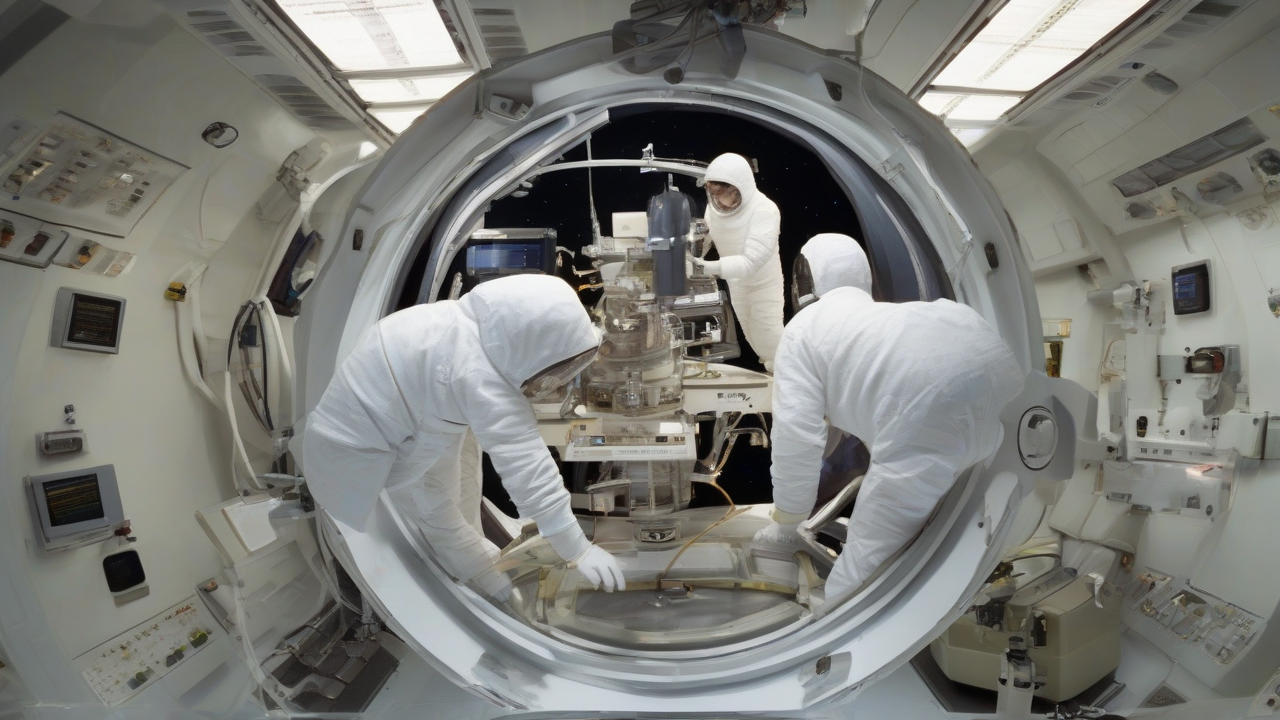
Unprecedented Slowdown in Earth’s Rotation Sparks Concern Among Scientists
The Earth’s spin is slowing down at a rate that has not been seen in millions of years, according to recent findings. As reported by Gizmodo, this phenomenon is causing the length of days on our planet to increase at an unprecedented pace. But what’s behind this sudden change? Analysts note that climate change is the primary culprit, with the melting of polar ice playing a significant role in the slowdown.
The Science Behind the Slowdown
Observers point out that the redistribution of mass around the globe, particularly the melting of ice sheets at the poles, is affecting the Earth’s rotation. As the ice melts, the mass of the Earth is redistributed, causing the planet’s rotation to slow down. This, in turn, leads to longer days. According to Scientific American, the current rate of slowdown is unprecedented in the last 3.6 million years. Experts emphasize that this change is not just a minor fluctuation, but rather a significant shift that warrants attention.
Why It Matters
The implications of this slowdown are far-reaching. The move signals a significant impact on the Earth’s climate and geological processes. Rising sea levels, which are also a consequence of climate change, are contributing to the lengthening of days. As reported by R&D World, the increase in sea levels is causing the Earth’s rotation to slow down, leading to longer days. This, in turn, can have effects on ocean currents, tides, and even the stability of the Earth’s axis. Analysts note that understanding the causes and consequences of this slowdown is crucial for predicting future changes in the Earth’s climate.
Impact on the Planet
The slowdown in the Earth’s rotation affects not only the length of days but also has significant implications for the planet’s geological processes. The redistribution of mass around the globe can cause changes in the Earth’s gravitational field, leading to alterations in ocean currents and tides. This, in turn, can have a ripple effect on the planet’s ecosystems, potentially leading to changes in marine life and coastal erosion. As noted by the Daily Mail, the increase in the length of days can also have effects on the planet’s weather patterns, leading to more extreme weather events.
What to Watch Next
As scientists continue to monitor the Earth’s rotation, upcoming research will focus on the long-term implications of this slowdown. According to sources, the next step will be to refine models that predict the effects of climate change on the Earth’s rotation. Observers point out that understanding the complex interactions between the Earth’s climate, oceans, and geological processes is crucial for predicting future changes. As reported by La Brújula Verde, the international scientific community is coming together to study this phenomenon and develop strategies to mitigate its effects. With the pace of the slowdown showing no signs of abating, the world will be watching closely to see how this unprecedented change unfolds.
Reader Comments