
Understanding the Feline Righting Reflex
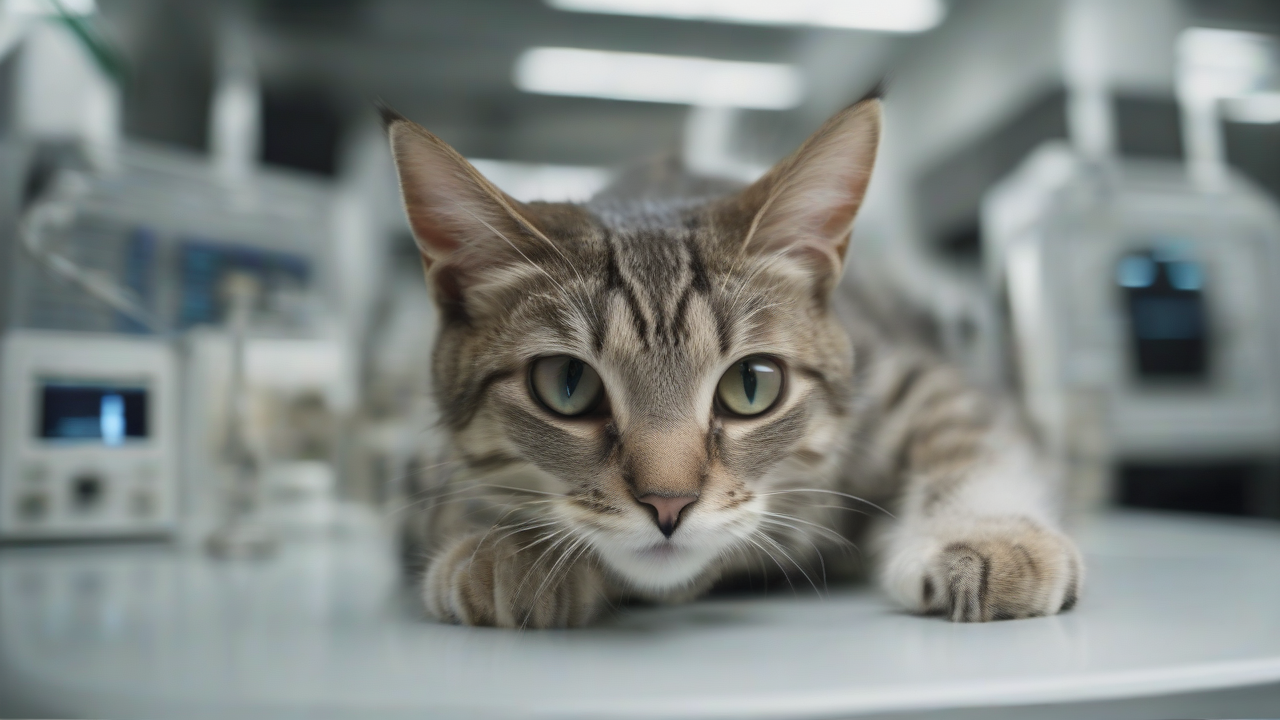
A long-standing phenomenon in the animal kingdom has puzzled scientists and cat owners alike for centuries: the ability of cats to almost always land on their feet when dropped upside down. This intriguing capacity, known as the feline righting reflex, has been the subject of extensive research, with Japanese scientists making significant breakthroughs in recent studies, as reported by Phys.org. According to their findings, the secret to this impressive agility lies in the unique flexibility of a cat’s spine.
The Science Behind the Reflex
Observers point out that the feline righting reflex is a complex process involving the cat’s inner ear, vision, and flexibility. Analysts note that when a cat is dropped, it uses its inner ear to detect the direction of gravity and then employs a remarkable degree of spinal flexibility to rotate its body in mid-air, ensuring it lands on its feet. This flexibility is made possible by the cat’s spine, which contains 32 muscles and is extremely flexible, allowing for a wide range of motion. As explained in an article by The New York Times, this unique anatomical feature enables cats to make the necessary adjustments to land safely.
Implications and Broader Context
The discovery of how cats achieve this feat has significant implications for our understanding of animal physiology and movement. Experts suggest that studying the feline righting reflex could provide valuable insights into the development of more agile robots and other machines. Furthermore, this research highlights the remarkable adaptability of cats, which have evolved over time to develop this impressive ability as a survival mechanism. As noted by National Today, understanding this phenomenon can also shed light on the broader topic of animal locomotion and balance.
Impact on Cat Owners and Animal Lovers
The feline righting reflex is not just a fascinating scientific phenomenon; it also has practical implications for cat owners. Analysts point out that while cats are generally able to land on their feet, they can still be injured if dropped from a great height or if they are unable to complete the rotation in time. Therefore, it is essential for cat owners to handle their pets with care and attention. As reported by Newsweek, researchers emphasize the importance of understanding and appreciating the unique physical abilities of cats, which can help strengthen the bond between cats and their owners.
Future Research Directions
As scientists continue to unravel the mysteries of the feline righting reflex, upcoming studies are expected to focus on the neural mechanisms underlying this ability. According to Ars Technica, researchers are eager to explore how cats process visual and vestibular information to achieve the necessary rotations. With further research, we can expect to gain a deeper understanding of this remarkable phenomenon and its potential applications in fields such as robotics and animal physiology. As the scientific community awaits the results of these future studies, one thing is clear: the feline righting reflex remains an captivating subject that continues to inspire scientific inquiry and fascination among animal lovers worldwide.

Reader Comments