
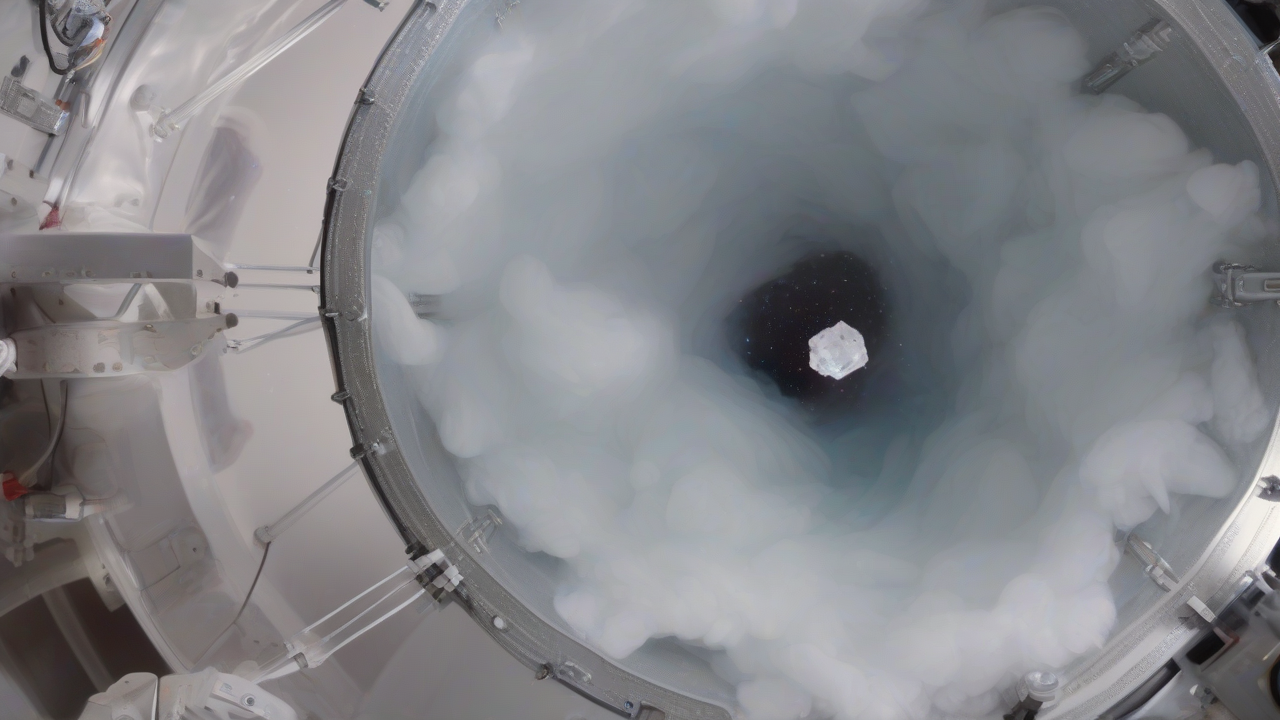
Groundbreaking Discovery in Space Exploration
In a significant breakthrough, astronomers have identified dry ice in a planetary nebula for the first time, according to reports from Phys.org and other sources. This remarkable finding was made possible by the advanced capabilities of the James Webb Space Telescope, which has been at the forefront of space research since its launch.
The Significance of Dry Ice in Space
Dry ice, or frozen carbon dioxide, is a rare commodity in the vast expanse of space. Its presence in a planetary nebula, a cloud of gas and dust expelled by a dying star, has sparked interest among scientists. Observers point out that this discovery sheds new light on the composition and evolution of planetary nebulas, which are crucial to understanding the life cycle of stars. As reported by DIY Photography, the James Webb Space Telescope’s ability to detect dry ice in the Butterfly Nebula has opened up new avenues for research into the formation and properties of these celestial bodies.
Context and Implications
The detection of dry ice in a planetary nebula is not just a curiosity; it has significant implications for our understanding of the universe. Analysts note that the presence of frozen carbon dioxide suggests that the conditions in these nebulas are more complex and varied than previously thought. This, in turn, could have implications for the formation of planets and the potential for life in other parts of the universe. According to Innovation News Network, researchers are eager to explore the possibilities raised by this discovery, which could lead to a deeper understanding of the fundamental processes that shape the cosmos.
The Role of the James Webb Space Telescope
The James Webb Space Telescope has been instrumental in making this groundbreaking discovery. As reported by starlust.org, the telescope’s advanced sensors and instruments allowed scientists to detect the faint signature of dry ice in the Butterfly Nebula. This achievement demonstrates the telescope’s capabilities and highlights its importance in the field of space research. Experts emphasize that the James Webb Space Telescope is a powerful tool for exploring the universe, and its findings are expected to have a profound impact on our understanding of the cosmos.
Impact and Future Research
The detection of dry ice in a planetary nebula is a significant milestone in space research, with far-reaching implications for our understanding of the universe. As scientists continue to study this phenomenon, they are likely to uncover new insights into the formation and evolution of planetary nebulas. According to sources, the next step will be to conduct further research using the James Webb Space Telescope and other instruments to gather more data on this phenomenon. Observers point out that upcoming studies will focus on the properties and behavior of dry ice in planetary nebulas, which could lead to a deeper understanding of the fundamental processes that shape the cosmos.
What’s Next
As researchers delve deeper into the mysteries of dry ice in planetary nebulas, they are likely to encounter new challenges and opportunities. The James Webb Space Telescope is expected to play a central role in these efforts, providing scientists with the tools they need to explore the universe in unprecedented detail. With its advanced capabilities and the dedication of the scientific community, the discovery of dry ice in a planetary nebula is just the beginning of a new era in space research. As reported by Interesting Engineering, the future of space exploration is full of promise, and the detection of dry ice in a planetary nebula is a significant step forward in our quest to understand the universe.

Reader Comments