
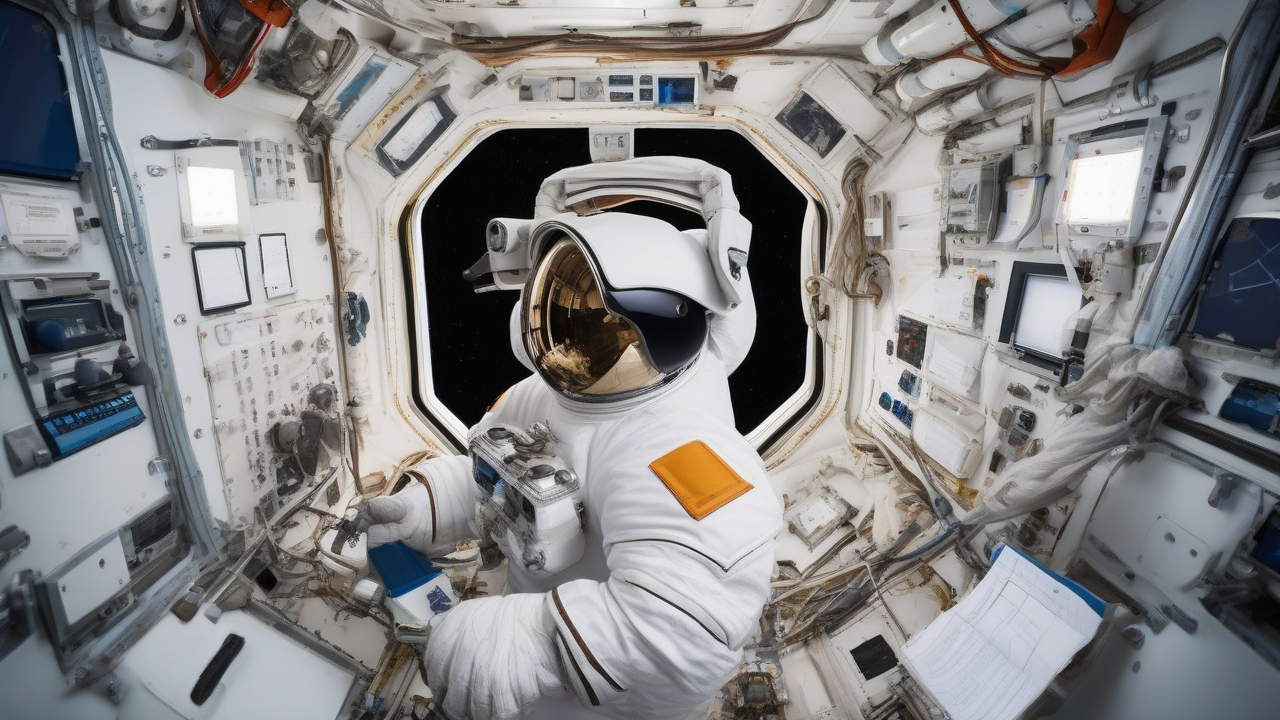
Space Station Cleanup: Astronauts Dispose of Outgoing Cargo Spacecraft
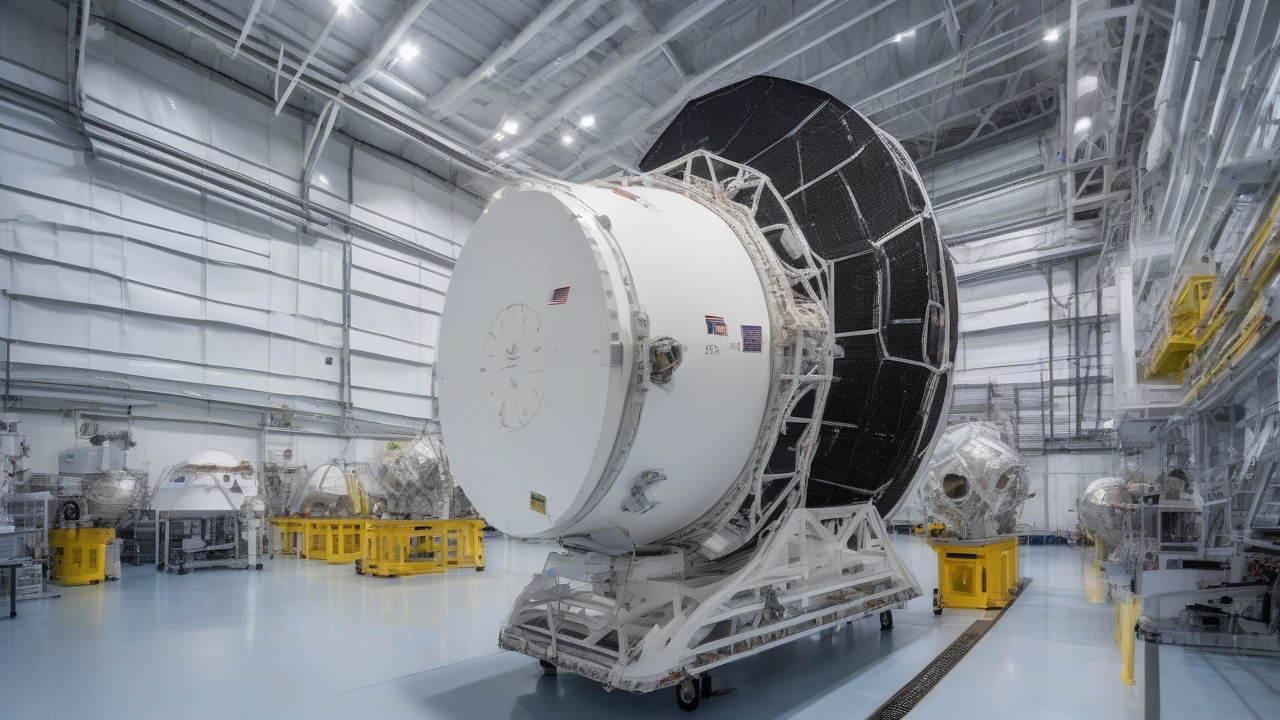
In a critical operation to maintain the integrity and safety of the International Space Station (ISS), astronauts on board have successfully overseen the departure of Northrop Grumman’s Cygnus XL cargo spacecraft, marking the end of its mission to the ISS. According to NASA, this event is significant not just for the completion of the spacecraft’s duties but also for the efficient management of space debris and the continuation of scientific research and operational activities on the ISS.
The Importance of Space Debris Management
Observers point out that the removal of cargo spacecraft once they have completed their missions is a crucial aspect of space debris management. The ISS, being a hub of international scientific collaboration, must ensure that its surroundings remain clear of obstacles to prevent collisions and maintain a stable environment for both the station and the spacecraft that visit it. Analysts note that this process is intricate, requiring precise planning and execution to guarantee the safe departure of the spacecraft without posing any risk to the ISS or other operational vehicles in space.
Context and Broader Implications
The departure of the Cygnus XL cargo spacecraft is part of a larger narrative regarding space logistics and the sustainability of space exploration. As reported by sources including Yahoo and Aviation Week, the successful conclusion of the CRS-23 mission highlights the importance of reliable cargo transportation systems for the ongoing operations of the ISS. This includes not only the delivery of essential supplies and scientific equipment but also the removal of waste, which is critical for maintaining a healthy and safe environment for the astronauts on board.
Expert Analysis and Observations
Experts in the field emphasize that missions like CRS-23 demonstrate the evolving capabilities of commercial space companies in supporting the needs of space agencies and the international community. The Cygnus XL, being Northrop Grumman’s first of its kind, signifies an enhancement in cargo capacity and possibly a more efficient means of supporting ISS operations. Observers suggest that such advancements are pivotal for future deep space missions, where the ability to transport significant amounts of cargo over long distances will be essential.
Impact and Next Steps
The successful departure of the Cygnus XL cargo spacecraft affects not just the ISS and its inhabitants but also contributes to the broader discussion on space debris and the responsible use of space. As NASA and other space agencies, along with their commercial partners, continue to push the boundaries of space exploration, the management of space debris will become an increasingly critical issue. Looking forward, stakeholders will be watching for upcoming missions and the strategies that space agencies and companies employ to address the challenges of space debris and sustainable space operations.
Future Developments and Missions
In the coming weeks and months, the space community will be focused on several key developments, including the launch of new cargo missions to the ISS and advancements in space debris removal technologies. As the international community prepares for more ambitious space exploration endeavors, the lessons learned from missions like CRS-23 will play a significant role in shaping the future of space travel and operations. According to sources, including CW39 Houston, the conclusion of the Cygnus XL mission marks an important milestone in the ongoing collaboration between NASA, Northrop Grumman, and other partners in supporting the ISS and advancing our understanding of space.
Reader Comments