
Introduction to a Prehistoric Predator
A significant discovery in the field of paleontology has shed light on a formidable predator that roamed the earth approximately 3 million years ago. According to research published in recent scientific findings, as reported by Phys.org, a massive crocodile species, known as Crocodylus lucivenator, has been identified as a potential hunter of early hominins, including the iconic Lucy. This revelation provides valuable insights into the ecosystem and food chain of the Pliocene era.
Uncovering the Past
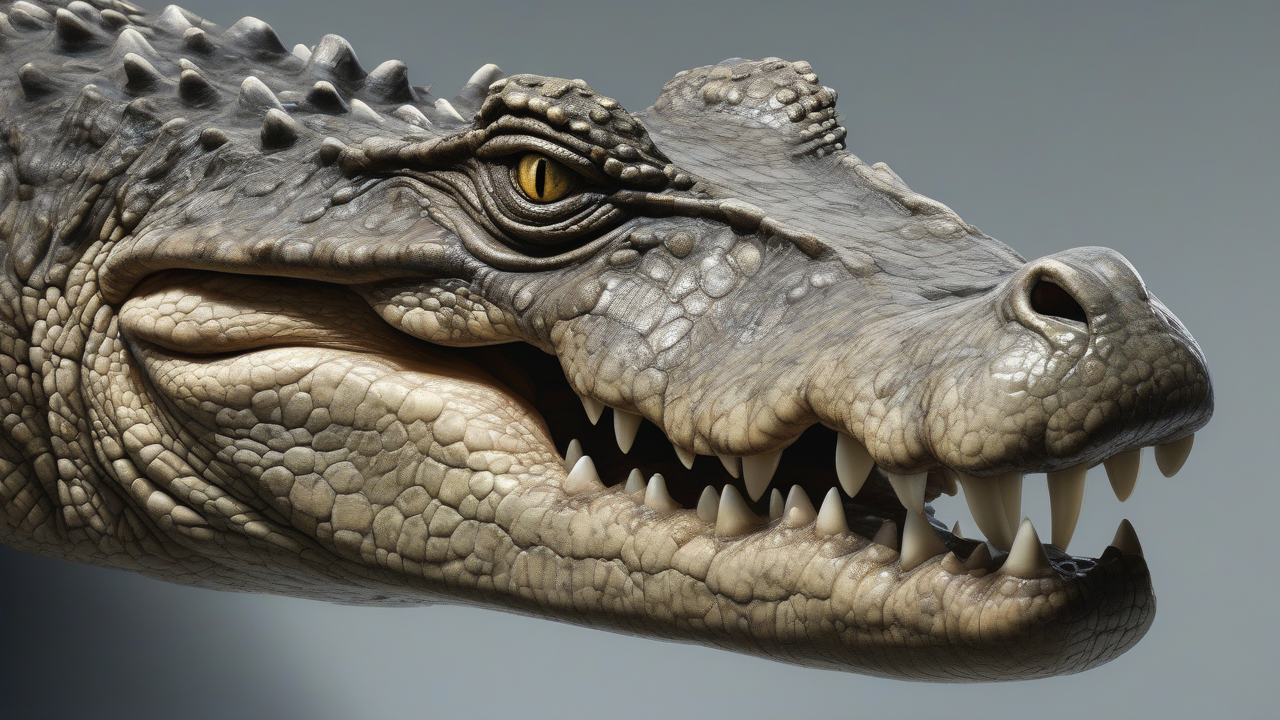
The Crocodylus lucivenator, estimated to be 12 to 15 feet in length, is believed to have been an apex predator in its time. Observers point out that the discovery of this species signals a deeper understanding of the complex relationships between predators and prey in prehistoric environments. Analysts note that the presence of such a large and powerful predator would have had a significant impact on the early hominin populations, including Lucy’s species, Australopithecus afarensis.
Context and Implications
As reported by Discover Magazine, the existence of Crocodylus lucivenator highlights the dangers and challenges faced by early humans in their daily lives. The move signals a shift in our understanding of the Pliocene ecosystem, where large predators played a crucial role in shaping the evolution of human ancestors. Sources indicate that the discovery of this crocodile species has significant implications for the field of paleoanthropology, as it provides a more nuanced understanding of the selective pressures that acted upon early hominins.
Impact on Early Human Populations
The presence of a massive predator like Crocodylus lucivenator would have had a profound impact on the daily lives of early humans. According to Yahoo, the odd-nosed crocodile would have been a constant threat to human populations, influencing their behavior, social structures, and ultimately, their evolution. Experts suggest that the fear of such predators would have driven early humans to develop new strategies for survival, including the formation of groups and the development of tools.
Future Research Directions
As researchers continue to study the Crocodylus lucivenator and its role in the Pliocene ecosystem, several questions remain unanswered. What were the exact hunting habits of this massive predator? How did early humans adapt to the presence of such a formidable hunter? Upcoming research is expected to focus on these questions, providing a more comprehensive understanding of the complex relationships between predators and prey in prehistoric environments. According to sources, including Phys.org, further discoveries are anticipated to shed light on the intricate dynamics of the Pliocene ecosystem, offering a glimpse into the lives of our ancient ancestors and the challenges they faced.



Reader Comments