
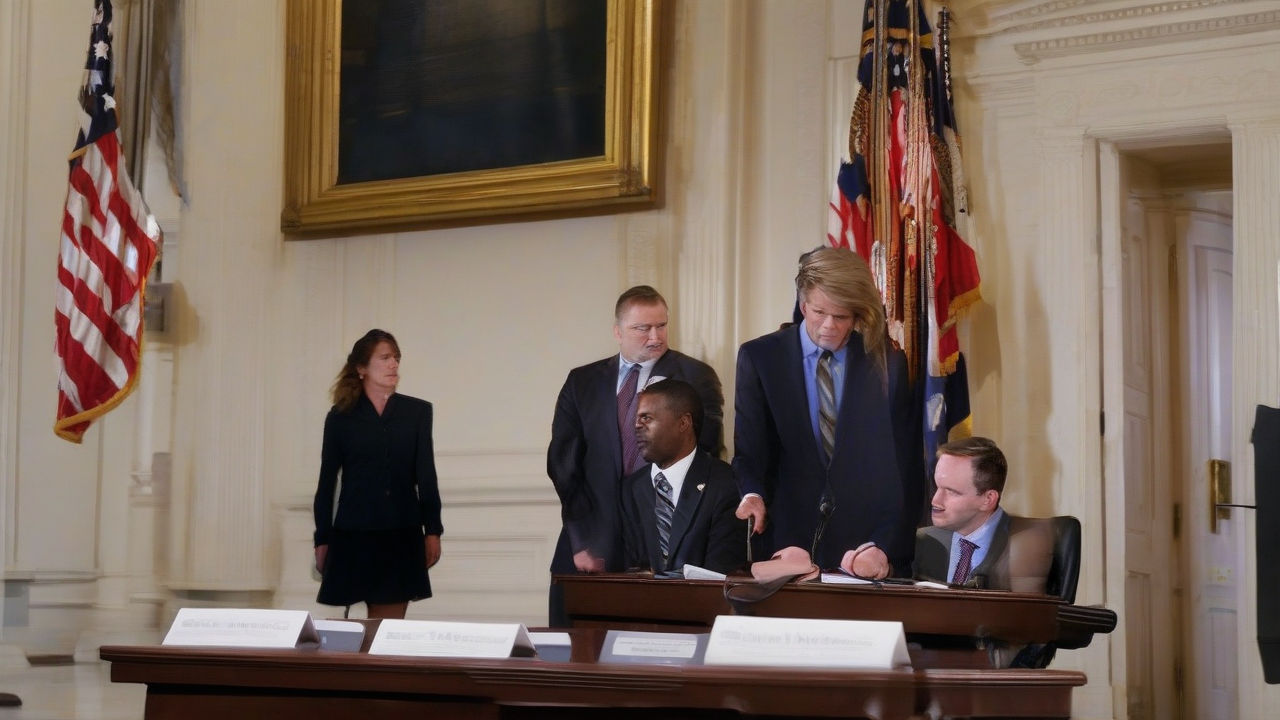
Escalating Tensions: The Role of Social Media in Shaping Public Opinion
The ongoing conflict between the United States and Iran has taken a concerning turn, with the White House using social media to disseminate videos that observers point out seem to glorify violence. According to reports from reputable sources, including the New York Times, these videos have been posted on official White House social media accounts, sparking widespread criticism and raising questions about the administration’s approach to the crisis.
A New Low in Diplomacy?
Analysts note that the use of social media to promote a violent narrative is a departure from traditional diplomatic channels, where restraint and caution are typically exercised. The move signals a shift in the way governments engage with the public and each other, with some observers pointing out that this approach can have far-reaching consequences, including the escalation of tensions and the erosion of trust. As reported by the New York Times, the videos in question appear to turn the conflict in Iran into a form of entertainment, which experts warn can have a desensitizing effect on the public and undermine efforts to find a peaceful resolution.
The Power of Social Media in Shaping Public Opinion
The role of social media in shaping public opinion and influencing international relations cannot be overstated. Social media platforms have become a key channel for governments to communicate with their citizens and the world at large. However, as sources indicate, the use of these platforms to promote violent or divisive content can have serious consequences, including the spread of misinformation and the fueling of hatred. In the context of the US-Iran conflict, the use of social media to glorify violence can be seen as a provocative move, which analysts warn can exacerbate the situation and make it more challenging to find a diplomatic solution.
Impact on the Ground
The consequences of this approach are already being felt on the ground, with civilians caught in the crossfire and bearing the brunt of the violence. According to reports from the region, the conflict has resulted in significant human suffering, with many innocent lives lost and countless more displaced. The use of social media to promote a violent narrative can only serve to worsen the situation, observers point out, by creating a climate of fear and mistrust. As the situation continues to unfold, it is essential to consider the human cost of the conflict and the need for a peaceful resolution.
What’s Next?
As the situation in Iran continues to deteriorate, all eyes are on the White House and its social media strategy. Experts warn that the use of social media to promote violence can have far-reaching consequences, including the escalation of tensions and the erosion of trust. In the coming days and weeks, it will be crucial to watch how the administration responds to criticism and whether it will change its approach to social media. According to sources, the international community is calling for restraint and diplomacy, and it remains to be seen whether the White House will heed this call. As reported by the New York Times, the situation is complex and multifaceted, and it will require a nuanced and thoughtful approach to resolve.
Reader Comments