
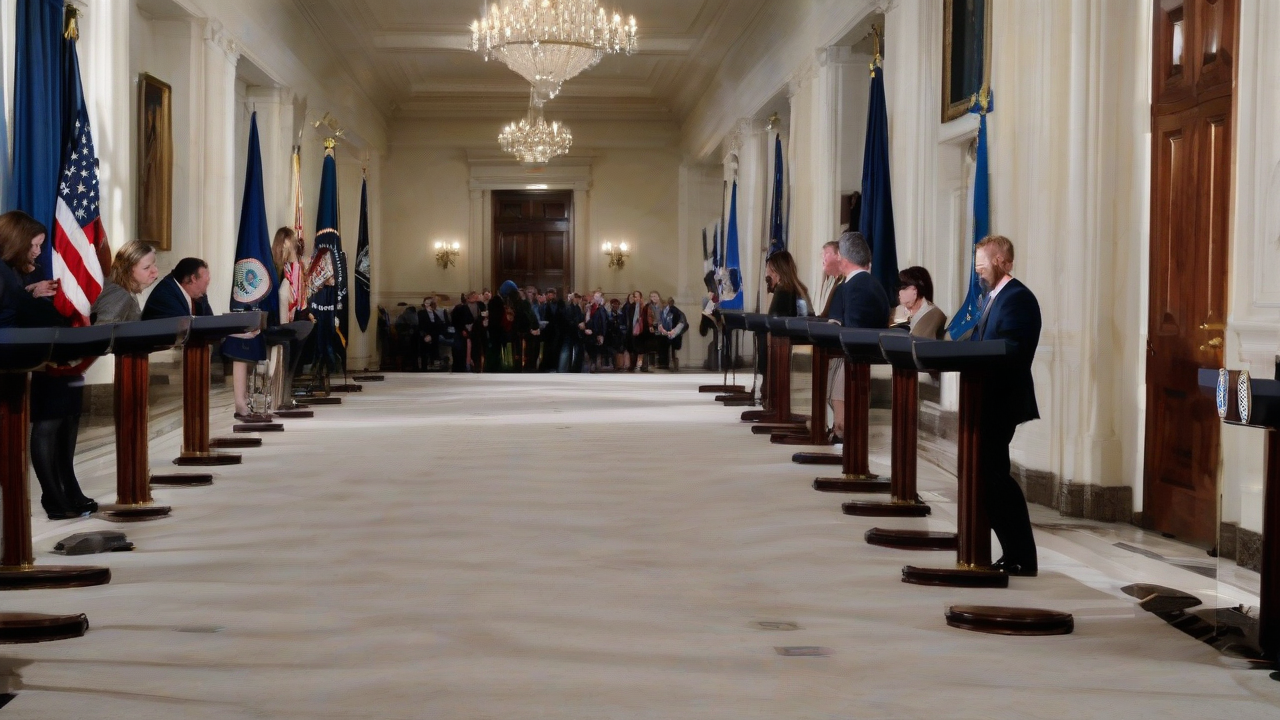
Escalating Tensions Between the White House and the Press
The relationship between the presidency and the media has reached a boiling point, with the president openly accusing news organizations of treachery and undermining the country’s military endeavors. According to reports from the New York Times, this development comes as many Americans express opposition to the ongoing military effort.
A Climate of Intimidation
Observers point out that the current administration’s stance on the media is characterized by a persistent pattern of hostility, with the president frequently referring to journalists as the “enemy of the people.” Analysts note that this rhetoric has significant implications, as it contributes to a climate of intimidation and mistrust, potentially undermining the fundamental role of a free press in a democratic society. The move signals a deepening divide between the White House and the media, with each side accusing the other of compromising national interests.
Broader Implications and Historical Context
This escalation of tensions between the presidency and the press is not without precedent. Historically, periods of military conflict have often been accompanied by increased scrutiny of the media and its role in reporting on sensitive issues. However, the current situation is marked by an unprecedented level of animosity, with the president’s accusations of “treason” representing a significant escalation. As reported by the New York Times, this development has sparked concerns among media watchdogs and civil liberties groups, who argue that such rhetoric poses a threat to the First Amendment and the principles of a free press.
Impact on Public Perception and Media Operations
The stakes are high, with the ongoing conflict and the president’s accusations against the media affecting not only the journalists involved but also the broader public. Sources indicate that many news organizations are reviewing their security protocols and taking steps to protect their staff, given the heightened tensions. Furthermore, the accusations of undermining the military effort have significant implications for public perception, as they may influence how Americans view the role of the media in times of conflict. Analysts point out that this could have long-term consequences for the media’s ability to report independently and critically on issues of national importance.
The Road Ahead
As the situation continues to unfold, observers are watching closely for any further developments that could either escalate or de-escalate the tensions between the White House and the media. Upcoming decisions on press access and the handling of sensitive information are likely to be crucial. According to information from the New York Times, there are also concerns about potential legislative or regulatory moves that could impact the media’s ability to operate freely. The next few weeks will be critical in determining the trajectory of this conflict and its implications for the future of press freedom in the country.
Reader Comments