
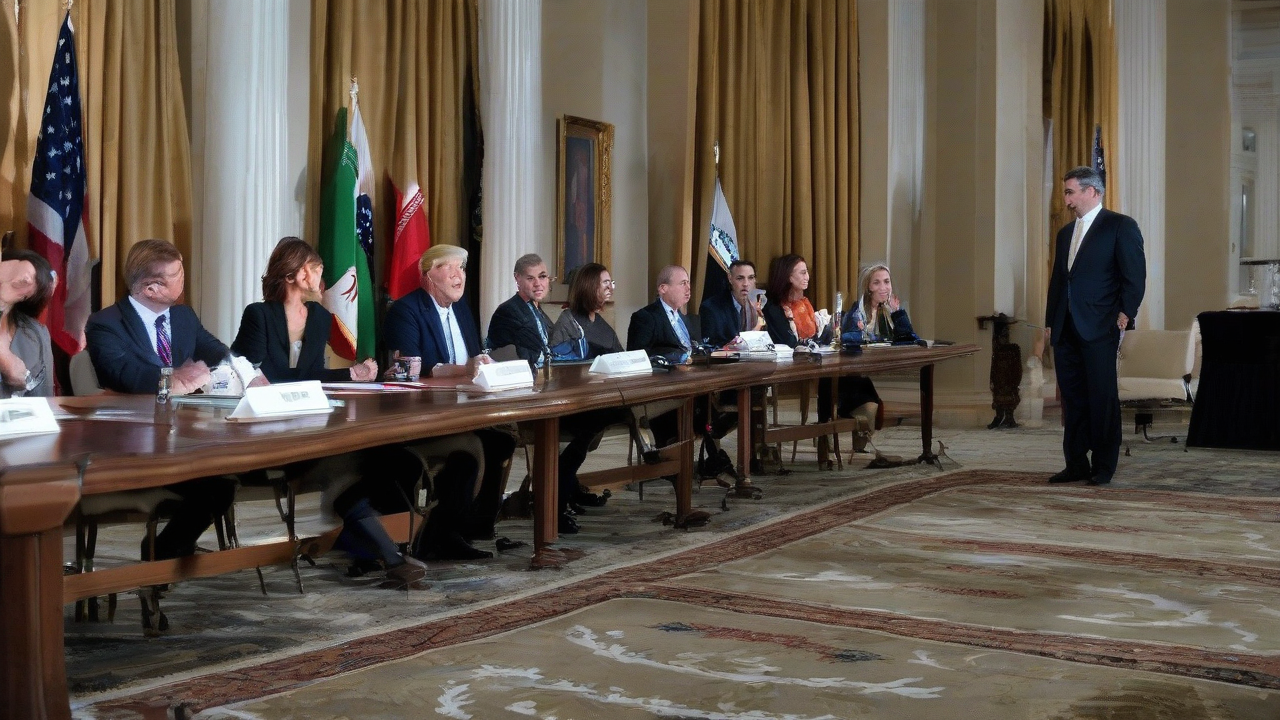
A Critical Miscalculation: Understanding the Misstep in U.S.-Iran Relations
A significant underestimation of Iran’s potential response to military action has been highlighted in recent developments, according to reports from the New York Times. This misjudgment, attributed to President Trump and his advisers, centered on the perceived short-term impact on energy markets, which was deemed a secondary concern compared to the primary objective of targeting the Iranian regime.
The Importance of Context
Observers point out that this oversight is particularly noteworthy given the historical context of U.S.-Iran relations, marked by periods of heightened tension and strategic miscalculations. The move signals a deeper issue in assessing geopolitical risks, especially in a region as volatile as the Middle East. Analysts note that such miscalculations can have far-reaching consequences, affecting not only the immediate parties involved but also global economic stability.
Assessing the Impact
The implications of this miscalculation are multifaceted, affecting various stakeholders and interests. As reported by the New York Times, the potential disruption to energy markets was a critical factor that should not have been underestimated. The repercussions of such instability could be felt globally, influencing economic policies and potentially triggering a cascade of reactions in the financial markets. Experts emphasize that a thorough understanding of these dynamics is essential for navigating the complex landscape of international relations.
Expert Analysis
According to sources, the decision-making process leading up to the U.S.-Israeli attack was marked by a lack of comprehensive risk assessment regarding Iran’s possible responses. This omission is seen by many as a critical mistake, given Iran’s history of retaliatory actions. The move has sparked debate among analysts, with some arguing that a more nuanced approach, considering both short-term and long-term consequences, would have been more prudent.
Looking Ahead
As the situation continues to unfold, all eyes are on the potential next steps in U.S.-Iran relations. Upcoming diplomatic engagements and strategic reassessments are expected to shed more light on how both parties intend to navigate this complex geopolitical terrain. Observers are watching closely for any signs of de-escalation or, conversely, further escalation, which could have profound implications for regional and global stability. The New York Times reports that diplomatic channels are exploring avenues for dialogue, aiming to mitigate the risks of further conflict.
The Path Forward
In the face of such geopolitical uncertainty, maintaining a keen understanding of the evolving dynamics is crucial. As analysts continue to assess the situation, one thing is clear: the path forward will require careful consideration of all factors at play. The stakes are high, with potential outcomes ranging from managed conflict to unintended consequences that could reverberate throughout the global economy. According to experts, a balanced approach, informed by a deep understanding of historical context, geopolitical nuances, and economic interdependencies, will be essential in navigating this challenging landscape.
Reader Comments