
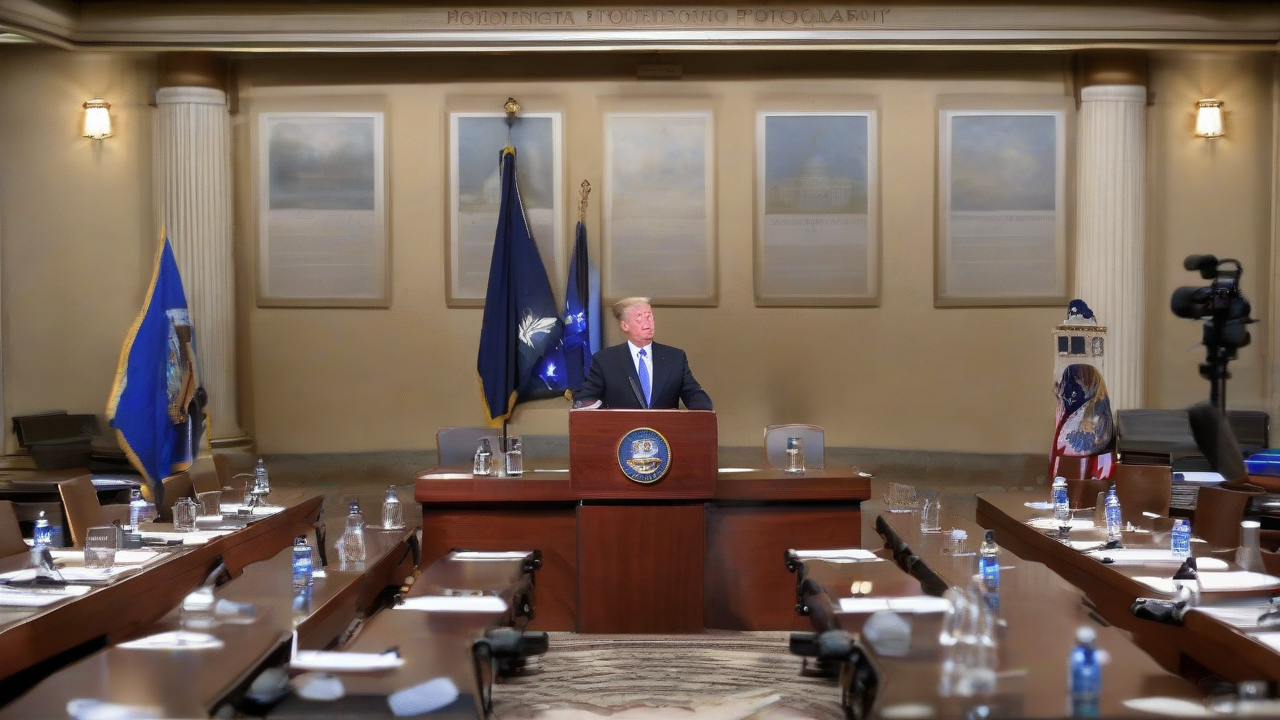
A Shift in Foreign Policy Approach
The United States’ approach to military interventions is undergoing a significant transformation, according to analysts, with Secretary of State Marco Rubio playing a crucial role in shaping President Trump’s foreign policy decisions. As reported by the New York Times, Rubio’s influence is leading to a more hawkish stance, with a focus on regime compliance rather than regime change.
Background and Context
This shift in approach is noteworthy, observers point out, as it marks a departure from the traditional methods employed by previous administrations. The move signals a more pragmatic approach to international relations, where the goal is to achieve compliance with US interests rather than to effect sweeping changes in foreign governments. According to sources, this strategy is being driven by a desire to avoid costly and protracted conflicts, while still maintaining US influence abroad.
Implications and Analysis
Analysts note that this approach has significant implications for global politics, as it may lead to a more transactional approach to international relations. The focus on compliance rather than change may result in a more predictable and stable environment, but it also raises concerns about the potential for human rights abuses and authoritarian regimes to persist. As one expert noted, “the emphasis on compliance over change may lead to a more nuanced approach to foreign policy, but it also risks undermining the US’s ability to promote democracy and human rights abroad.”
Impact on Global Relations
The impact of this shift in approach will be felt across the globe, with various nations and regimes responding to the new dynamics. Observers point out that countries with existing relationships with the US will need to adapt to the new approach, while those with contentious relationships may see an opportunity to renegotiate terms. According to sources, the US’s allies will be watching closely to see how this new approach plays out, and whether it will lead to a more cohesive and effective foreign policy.
What to Watch Next
As the US continues to navigate this new approach to military interventions, several key developments will be worth watching. The response from international partners and adversaries will be crucial, as will the outcome of upcoming diplomatic engagements. Additionally, the US Congress will likely play a significant role in shaping the future of US foreign policy, with lawmakers poised to weigh in on the administration’s approach. As reported by the New York Times, the situation is complex and multifaceted, and the coming months will be critical in determining the success or failure of this new strategy. According to sources, the next major test of this approach will come in the form of an upcoming diplomatic summit, where the US will face pressure to demonstrate the effectiveness of its new strategy.
Reader Comments