
Human Rights Concerns Raised Over US Military Actions
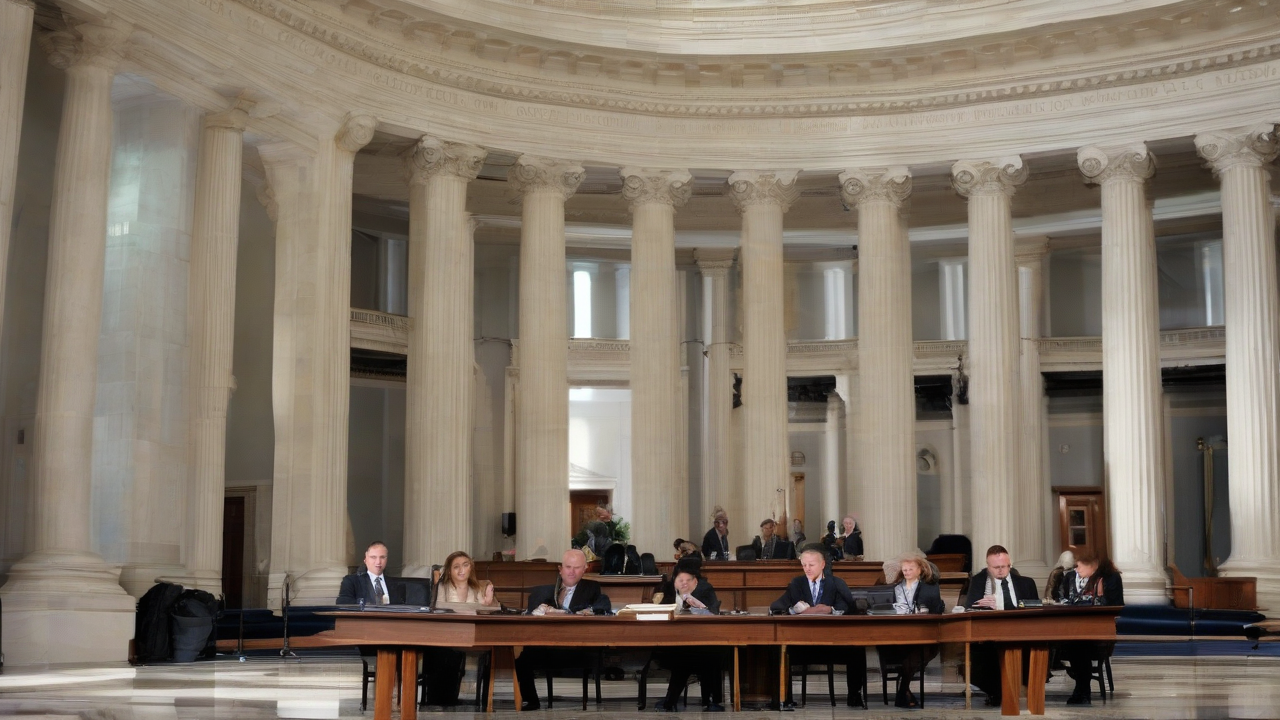
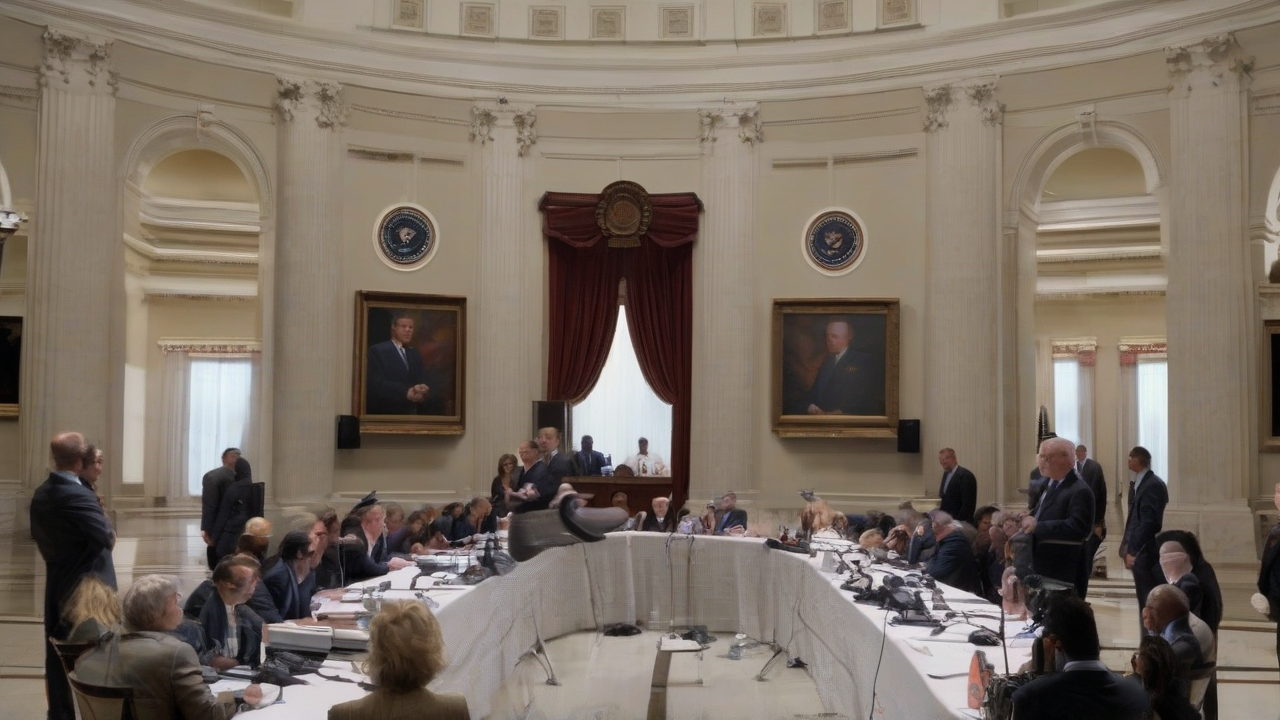
A recent meeting in Guatemala focused on human rights has brought to the forefront concerns over the legality of certain US military operations. According to experts who testified at the meeting, the US campaign of boat bombings is in direct violation of international law. This assertion has significant implications, not only for the individuals directly affected by these actions but also for the broader principles of human rights and the rule of law globally.
Context and Implications
Observers point out that the use of such tactics raises serious questions about the adherence of the US to established humanitarian norms. The move signals a departure from traditional methods of warfare and has sparked debate among legal scholars and human rights advocates. Analysts note that the impact of these actions extends beyond the immediate victims, potentially undermining the legitimacy of international humanitarian law and setting a dangerous precedent for other nations.
Expert Analysis and Testimony
At the heart of the controversy are the testimonies of experts who have analyzed the US military’s actions in this context. As reported by sources indicating the content of the meeting, these experts have condemned the boat bombings as illegal under international law. Their analysis is based on the principles outlined in various humanitarian treaties and conventions, which the US is a signatory to. The experts’ conclusions highlight the need for a thorough examination of the legal framework governing military operations and the necessity for states to adhere to these norms to prevent escalation and protect civilian lives.
Reaction from the US Administration
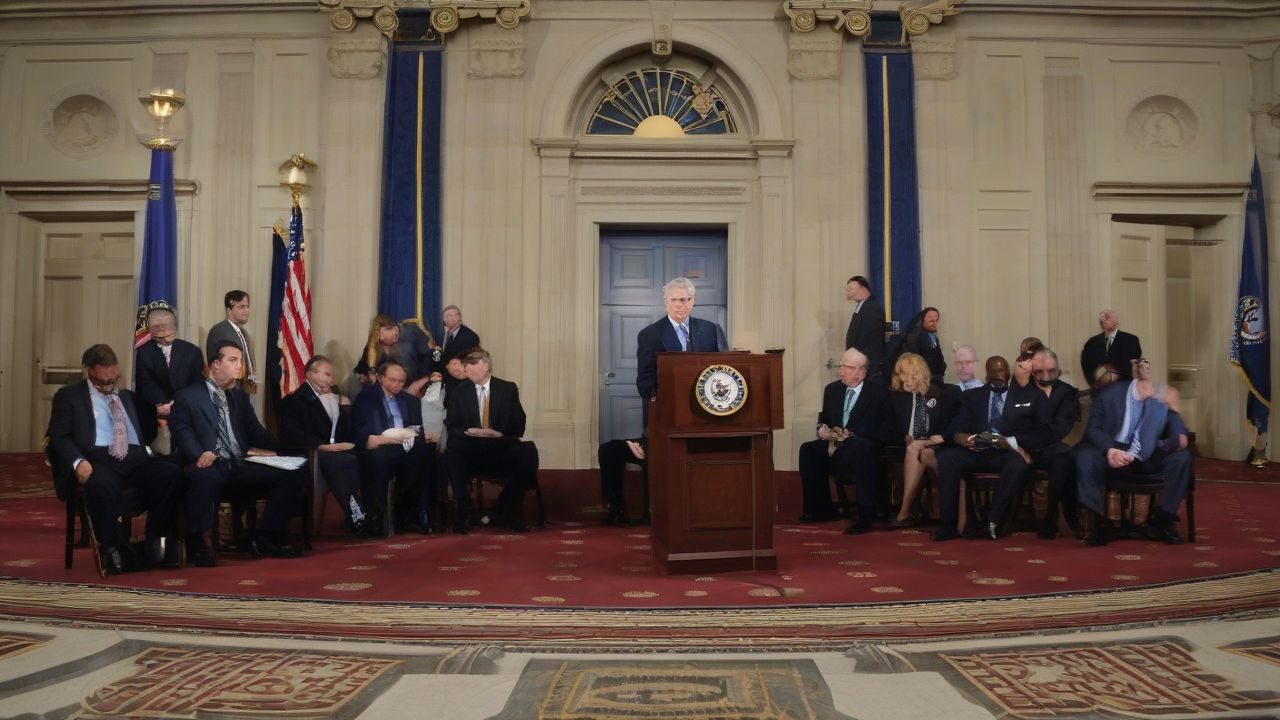
The Trump administration has responded to the meeting and the criticisms leveled against the US military’s actions. According to information available, the administration has condemned the meeting, suggesting that it was inappropriate and potentially biased against the US. This reaction underscores the tension between the US government’s stance on its military operations and the views of the international community, as represented by the human rights meeting in Guatemala.
Impact on Human Rights and Future Developments
The stakes are high, with the potential for these actions to erode trust in international institutions and undermine efforts to protect human rights globally. Analysts point out that the affected communities are not only those directly targeted but also broader civilian populations who may suffer the consequences of escalated conflict. As the international community continues to grapple with these issues, observers are watching for upcoming decisions from relevant bodies, including potential investigations into the legality of the US military’s actions and discussions on reinforcing humanitarian law to prevent similar violations in the future.
Looking Ahead
In the coming weeks and months, several key developments are expected to unfold. The human rights community and legal scholars will likely continue to scrutinize the US military’s actions, pushing for clarity on the legal justification for such operations. Additionally, diplomatic efforts may intensify, with other nations and international organizations potentially weighing in on the legality and implications of these actions. As reported by sources familiar with the situation, the outcome of these discussions could have far-reaching consequences for international relations, humanitarian law, and the conduct of military operations worldwide. According to experts, the next steps taken by the US and the international community will be crucial in determining the future of human rights protections and the rule of law in conflict zones.
Reader Comments