
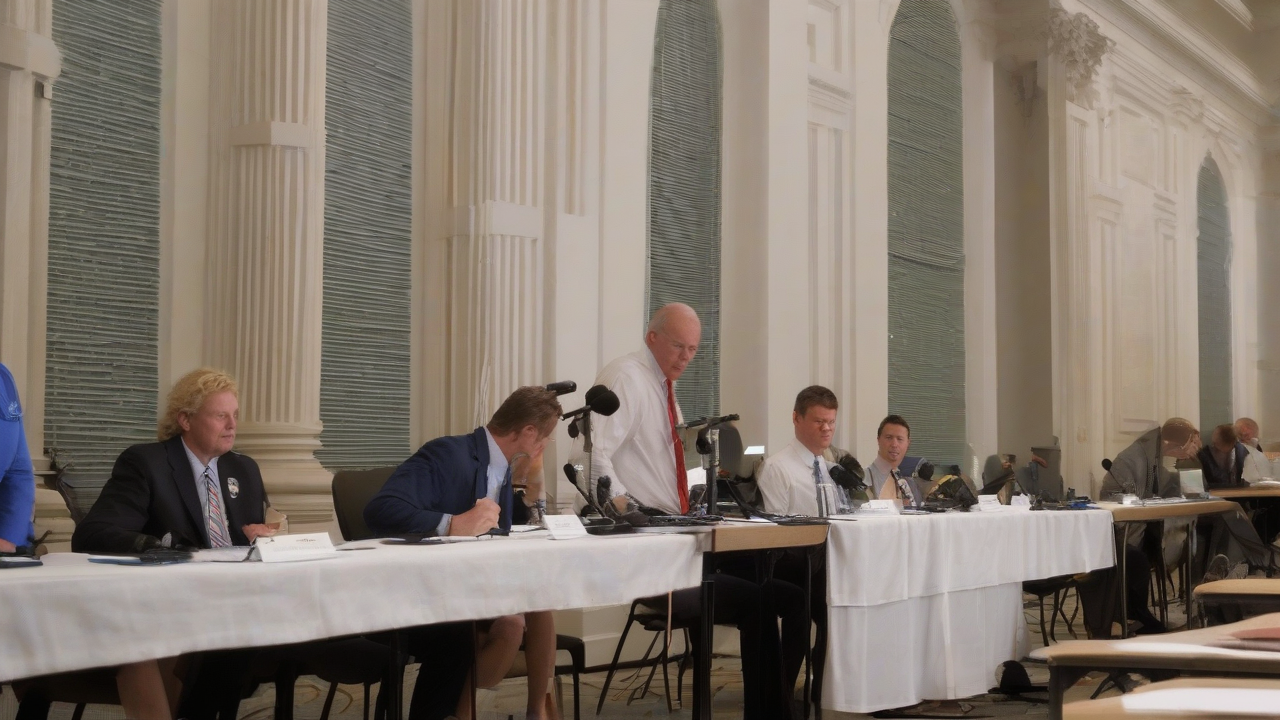
Free Speech Debate Erupts on Campus
A contentious lawsuit is unfolding at the University of Florida, where a Republican student group has taken the institution to court over allegations of antisemitism. According to reports from the New York Times, the university’s decision to restrict the group’s activities on campus has sparked a heated debate about free speech and the limits of First Amendment protections.
Background and Context
The controversy began when the university, citing concerns over antisemitism, imposed restrictions on the Republican group’s ability to operate on campus. The move was seen as a response to growing concerns about hate speech and discriminatory behavior on college campuses nationwide. Observers point out that the incident highlights the delicate balance between protecting free speech and ensuring a safe and inclusive environment for all students.
Implications and Analysis
Analysts note that the lawsuit signals a broader trend of tension between universities and student groups over issues of free speech and censorship. As reported by the New York Times, the University of Florida’s decision to restrict the group’s activities has been met with accusations of violating the students’ First Amendment rights. Experts argue that the case has significant implications for the future of free speech on college campuses, where the boundaries between protected speech and hate speech are often blurry.
Impact on Students and the Community
The restrictions imposed on the Republican group have affected not only the students involved but also the broader campus community. Sources indicate that the incident has sparked a wave of concern among students, faculty, and administrators about the potential for similar restrictions to be imposed on other groups. The move has also raised questions about the university’s role in regulating student speech and the potential consequences for academic freedom.
Legal Proceedings and Next Steps
As the lawsuit progresses, observers are watching closely to see how the court will balance the competing interests of free speech and campus safety. According to sources, the university is expected to argue that its actions were necessary to protect students from harm, while the Republican group will contend that its First Amendment rights were unfairly restricted. The outcome of the case is likely to have significant implications for universities and student groups nationwide, and experts predict that it will be closely watched by civil liberties organizations and academic freedom advocates.
What’s Next
In the coming weeks and months, the court is expected to hear arguments from both sides and render a decision on the merits of the case. As reported by the New York Times, the outcome will likely depend on the court’s interpretation of the First Amendment and its application to the facts of the case. Regardless of the outcome, the incident has already sparked a national conversation about the importance of free speech on college campuses and the need for universities to balance competing interests in a way that protects the rights of all students.


Reader Comments