
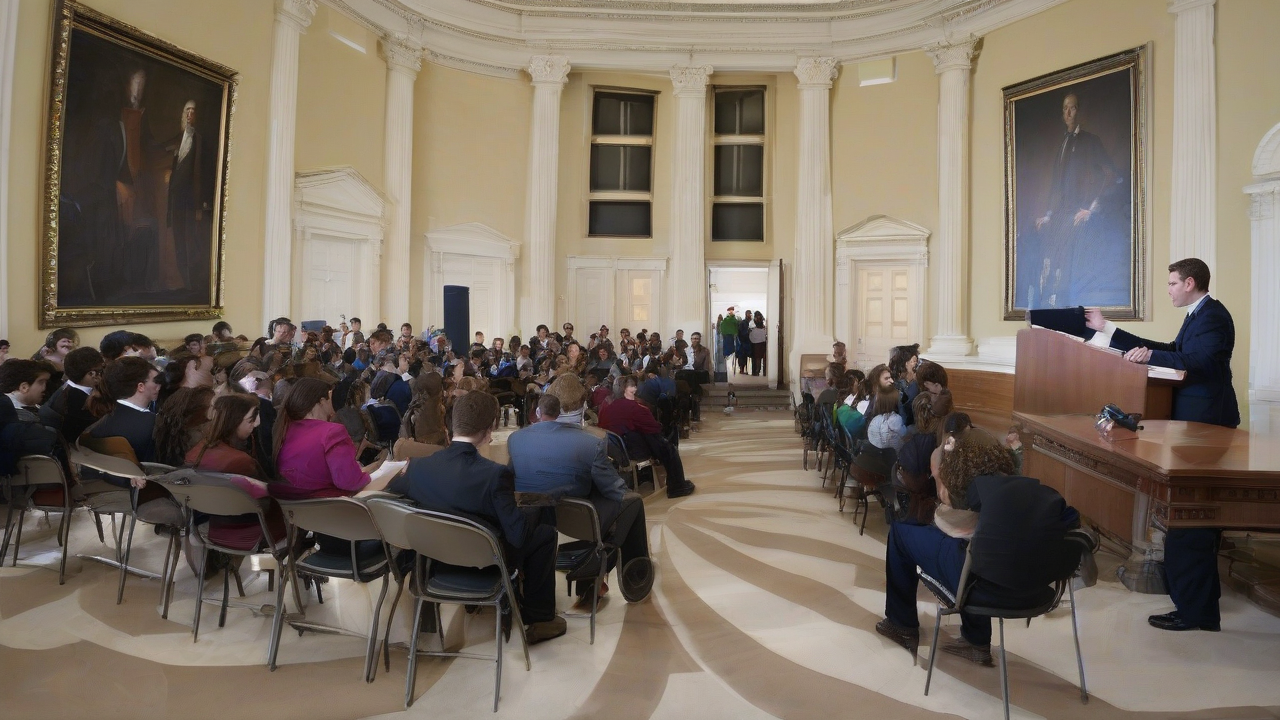
A New Frontier in Conservative Outreach
In a move that underscores the growing influence of conservative groups in American education, Turning Point USA, a prominent right-wing campus organization, has announced partnerships with Arkansas and Indiana to expand its operations into high schools. According to reports from the New York Times, this development marks the latest in a series of similar arrangements between the group and Republican-led states.
Context and Implications
Analysts note that this expansion signals a strategic shift by Turning Point USA to reach a younger demographic, potentially shaping the political views of future voters. Observers point out that the move is part of a broader trend of conservative groups increasing their presence in educational institutions, which could have significant implications for the political landscape. As reported by the New York Times, the partnerships with Arkansas and Indiana are not isolated incidents, but rather part of a larger effort by Turning Point USA to establish a strong foothold in high schools across the country.
The Stakes: Education and Politics
The impact of Turning Point USA’s expansion into high schools is likely to be felt by students, teachers, and the broader community. Experts suggest that the introduction of partisan political groups into educational settings can lead to a more polarized environment, potentially affecting the quality of education and the ability of students to engage in open and nuanced discussions about politics. Furthermore, the move raises questions about the role of political ideology in public education and the potential for partisan groups to influence curriculum and educational content.
Partnerships and Funding
Sources indicate that the partnerships between Turning Point USA and state governments involve the provision of resources and funding to support the group’s activities in high schools. According to reports, the arrangements are designed to promote conservative values and provide students with alternative perspectives on politics and economics. However, critics argue that the partnerships raise concerns about the use of public funds to support partisan political activities and the potential for bias in educational content.
What’s Next
As Turning Point USA continues to expand its operations into high schools, observers will be watching closely to see how the partnerships play out in practice. Upcoming developments to watch include the implementation of the group’s programs in Arkansas and Indiana, as well as potential challenges from critics who argue that the partnerships are inappropriate or unconstitutional. Additionally, the response from educators, students, and community leaders will be crucial in shaping the debate around the role of partisan political groups in public education. As the situation unfolds, it remains to be seen how the expansion of Turning Point USA into high schools will affect the broader landscape of American politics and education.

Reader Comments