
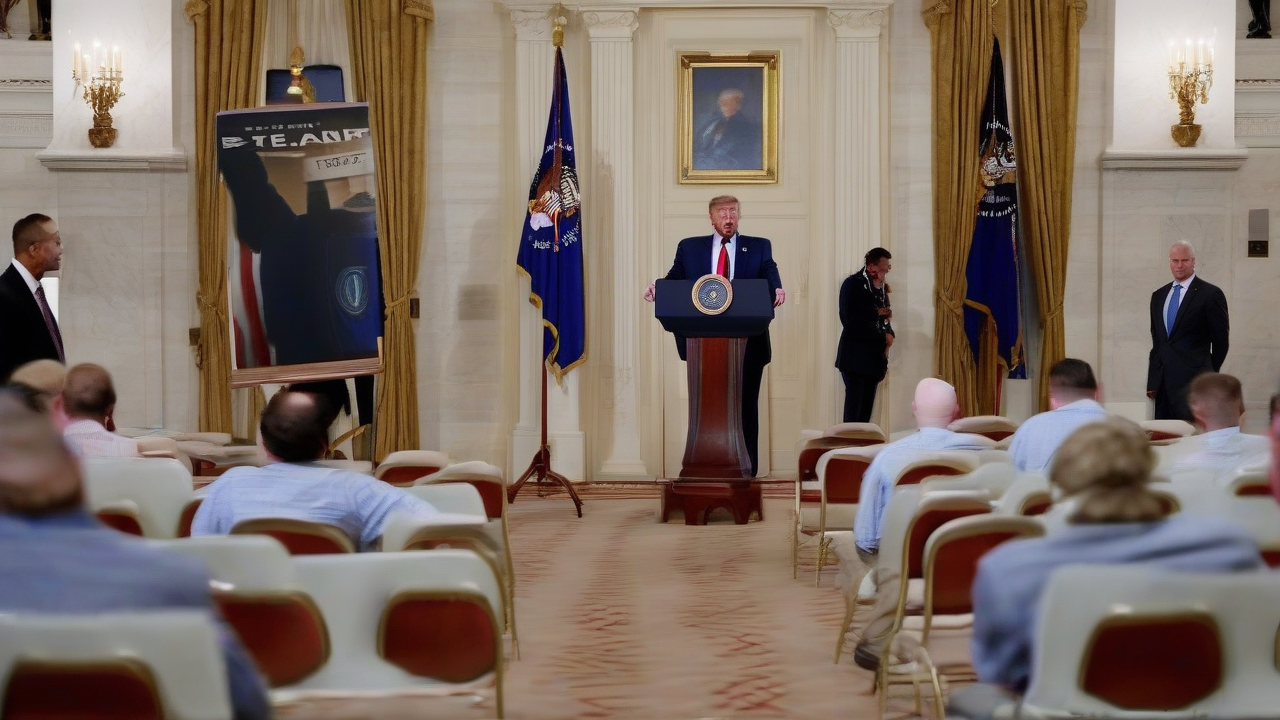
A Pattern of Selective Confrontation
In the realm of international diplomacy, a intriguing trend has emerged under the presidency of Donald Trump, as reported by the New York Times. Despite his reputation for bold and uncompromising rhetoric, the president has consistently demonstrated a willingness to make concessions to nations he perceives as powerful or dominant. This selective approach to confrontation raises important questions about the underlying strategy and potential implications for global relations.
The Trump Doctrine: A Nuanced Approach
Observers point out that this pattern of behavior is not entirely surprising, given the president’s emphasis on deal-making and transactional relationships. Analysts note that Trump’s decision-making process often appears to be driven by a pragmatic assessment of the relative strength and influence of the countries involved. As a result, nations like China and Russia, which are seen as major players on the global stage, have been treated with a degree of deference and caution. In contrast, smaller or more vulnerable countries have faced a more assertive and uncompromising approach from the Trump administration.
Why It Matters: Global Power Dynamics
This approach has significant implications for the balance of power in international relations. According to experts, the Trump administration’s willingness to make allowances for powerful nations may be seen as a pragmatic recognition of the limits of American influence. However, it also raises concerns about the potential for a two-tiered system, in which smaller countries are held to a different standard than their more powerful counterparts. This could have far-reaching consequences for global governance, trade, and security.
Impact on Global Relations
The stakes are high, as this selective approach to confrontation has the potential to affect a wide range of countries and interests. Sources indicate that smaller nations, in particular, may feel vulnerable to exploitation or coercion, as they lack the economic or military clout to negotiate favorable terms. On the other hand, powerful nations may be emboldened to pursue their own interests with greater assertiveness, potentially leading to increased tensions and conflict.
Looking Ahead: Future Developments
As the Trump administration continues to navigate the complex landscape of international relations, observers will be watching closely to see how this pattern of behavior evolves. Upcoming diplomatic engagements, trade negotiations, and security summits will provide important opportunities to assess the administration’s approach and its potential consequences. According to reports, the president is scheduled to meet with leaders from several major nations in the coming months, which could provide valuable insights into his strategic priorities and willingness to make concessions. As reported by the New York Times, these developments will be closely monitored by experts and analysts, who will be seeking to understand the underlying dynamics and implications of the Trump administration’s selective approach to confrontation.


Reader Comments