
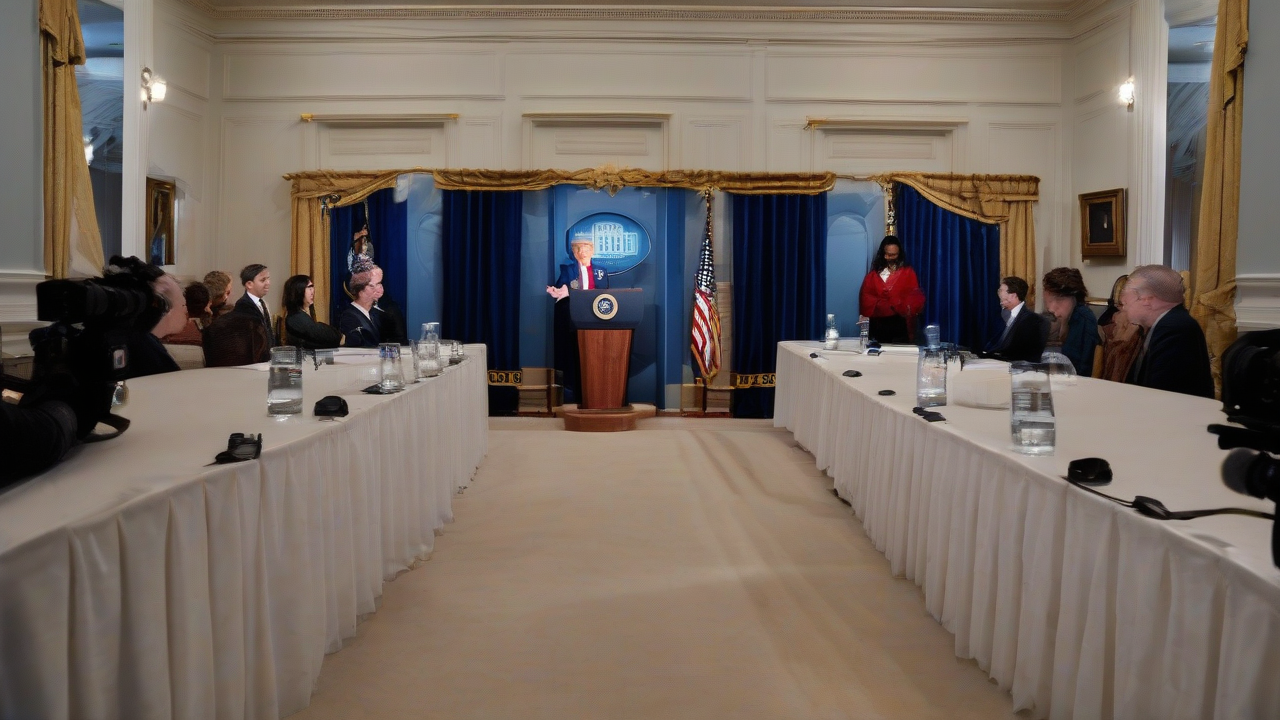
Introduction to the Debate
A contentious decision is looming over the future of the Kennedy Center, with a vote impending on whether to shut down the iconic institution for a two-year renovation project. According to sources, including a report by the New York Times, this move has sparked a heated debate, with President Trump recently weighing in on the matter. The president’s comments have brought to the forefront concerns over the center’s financial management and its current physical state.
The President’s Stance
President Trump has defended the need for the renovation, citing the center’s past financial mismanagement and its deteriorating physical condition. Observers note that the president’s criticism of the center’s previous financial handling signals a broader concern over the allocation of public funds for cultural institutions. Analysts point out that this stance reflects a trend of increased scrutiny over government spending on the arts, a development that has significant implications for the future of such institutions.
Context and Implications
The Kennedy Center, as a national cultural institution, plays a pivotal role in promoting the arts in the United States. Its potential closure for renovation has raised questions about the impact on the local community, including the potential loss of jobs and the displacement of artistic programs. Experts in cultural policy highlight the importance of balancing the need for fiscal responsibility with the necessity of preserving and promoting cultural heritage. The move to renovate the center, and the subsequent debate, underscores the challenges faced by cultural institutions in securing funding and support in an era of budgetary constraints.
Impact on the Community
The proposed two-year closure of the Kennedy Center would undoubtedly have significant effects on the community. Local businesses that rely on the center for tourism and event hosting are likely to be affected, as are the employees and artists who depend on the institution for their livelihood. Furthermore, the closure could impact the accessibility of cultural events for the general public, potentially exacerbating existing inequalities in access to the arts. As reported by sources close to the matter, these concerns are at the heart of the debate, with many advocating for alternative solutions that would minimize disruption.
Looking Ahead
As the vote on the renovation project approaches, all eyes are on the decision-makers. According to the New York Times, the outcome of this vote will not only determine the future of the Kennedy Center but also set a precedent for the management and funding of similar cultural institutions. Analysts indicate that the decision will be closely watched by both supporters and critics of the project, with the former arguing that the renovation is essential for the center’s survival and the latter expressing concerns over the financial and social impacts of the closure. The coming days will be crucial in determining the path forward for the Kennedy Center, with stakeholders eagerly awaiting the outcome of the impending vote. Sources indicate that regardless of the decision, the debate surrounding the Kennedy Center’s renovation will continue, reflecting broader discussions on the value and funding of cultural institutions in the United States.
Reader Comments