
Breaking Development in Congressional Oversight
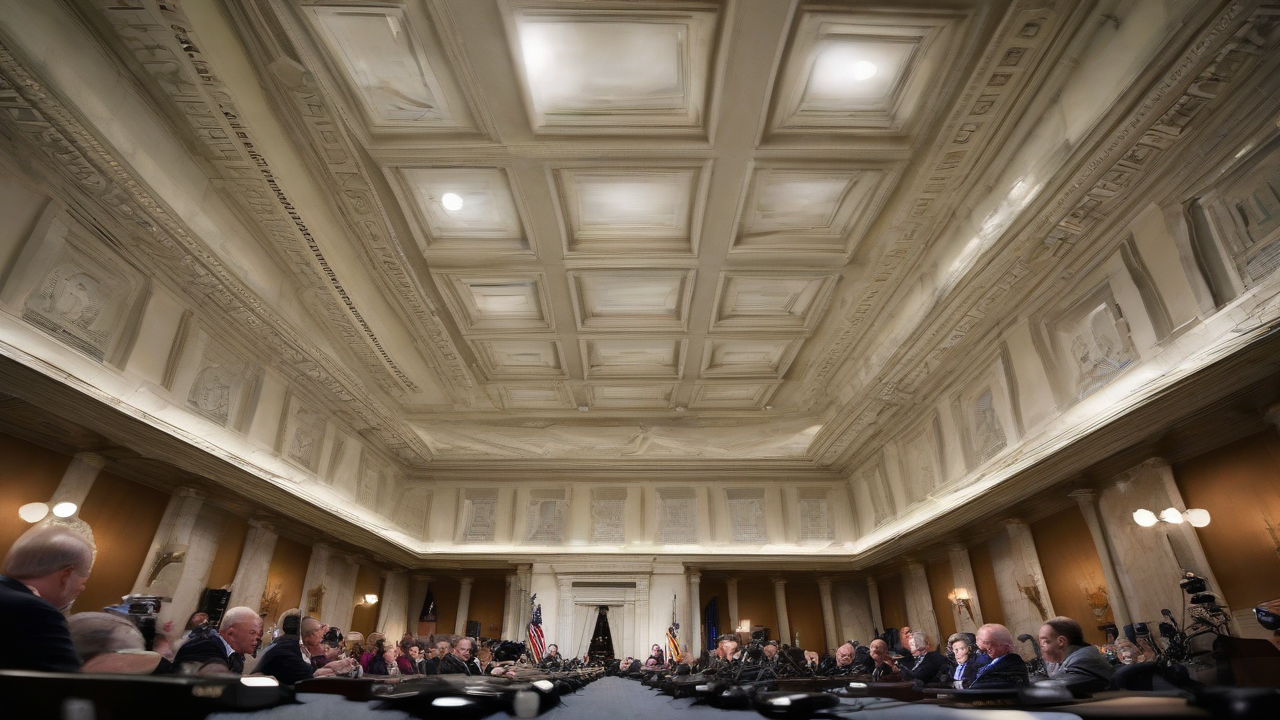
In a significant ruling with implications for congressional oversight, a judge has ordered that Representative Joyce Beatty, a Democrat, must be allowed to participate in an upcoming board meeting of the Kennedy Center, according to a report by the New York Times. This decision comes as Representative Beatty seeks to scrutinize and potentially oppose changes to the center, underscoring the ongoing tension between legislative branches and federal institutions.
Context and Implications
The move signals a notable shift in the balance of power between Congress and the executive branch, with analysts noting that it reinforces the importance of legislative oversight in ensuring transparency and accountability within federal institutions. Observers point out that this ruling could have broader implications for how lawmakers interact with and influence the operations of institutions like the Kennedy Center, which are integral to the nation’s cultural landscape. As reported by sources, the Kennedy Center, named after President John F. Kennedy, is a premier institution for performing arts, and changes to its operations or mission could have significant cultural and political repercussions.
Expert Analysis
Experts in constitutional law and governance note that this ruling highlights the critical role of the judiciary in mediating disputes between different branches of government. “The judiciary’s intervention in this matter emphasizes its role as a check on the other branches of government,” says a legal analyst, underscoring the principle of separation of powers that underpins the U.S. political system. This principle is fundamental to ensuring that no single branch of government dominates the others, thereby protecting democratic processes and the public interest.
Impact on Stakeholders
The ruling directly affects Representative Beatty, who will now have access to planning documents and the opportunity to voice her opposition to proposed changes at the board meeting scheduled for next week. Indirectly, it impacts the broader community of stakeholders interested in the Kennedy Center, including artists, patrons, and the general public, who may see changes in the center’s programming or operations as a result of this increased oversight. According to sources, the move is also being closely watched by other lawmakers, who see it as a precedent for their own oversight efforts.
Forward-Looking Analysis
As the board meeting approaches, observers will be watching closely to see how Representative Beatty’s participation influences the discussion and any subsequent decisions regarding the Kennedy Center. The outcome of this meeting could set a precedent for future interactions between Congress and federal institutions, potentially leading to more rigorous oversight and transparency. Analysts note that upcoming board meetings and any resultant policy changes will be critical to understanding the full impact of this judicial ruling. Furthermore, the reaction from the executive branch and other stakeholders will provide insight into the evolving dynamics of power and oversight in the federal government.
Conclusion and Next Steps
The judge’s ruling in favor of Representative Beatty’s right to participate in the Kennedy Center board meeting marks a significant development in the ongoing dialogue between the legislative and executive branches. As the situation unfolds, it will be important to monitor the responses of all parties involved, including any statements from Representative Beatty, the Kennedy Center, and the executive branch, as well as the outcomes of the upcoming board meeting. The New York Times report on this matter highlights the importance of judicial oversight in ensuring that the principles of transparency and accountability are upheld in the operations of federal institutions. With the meeting scheduled for next week, all eyes will be on the Kennedy Center and the implications of this ruling for the future of congressional oversight.
Reader Comments