
Federal Court Intervenes in Dispute Over Student Data
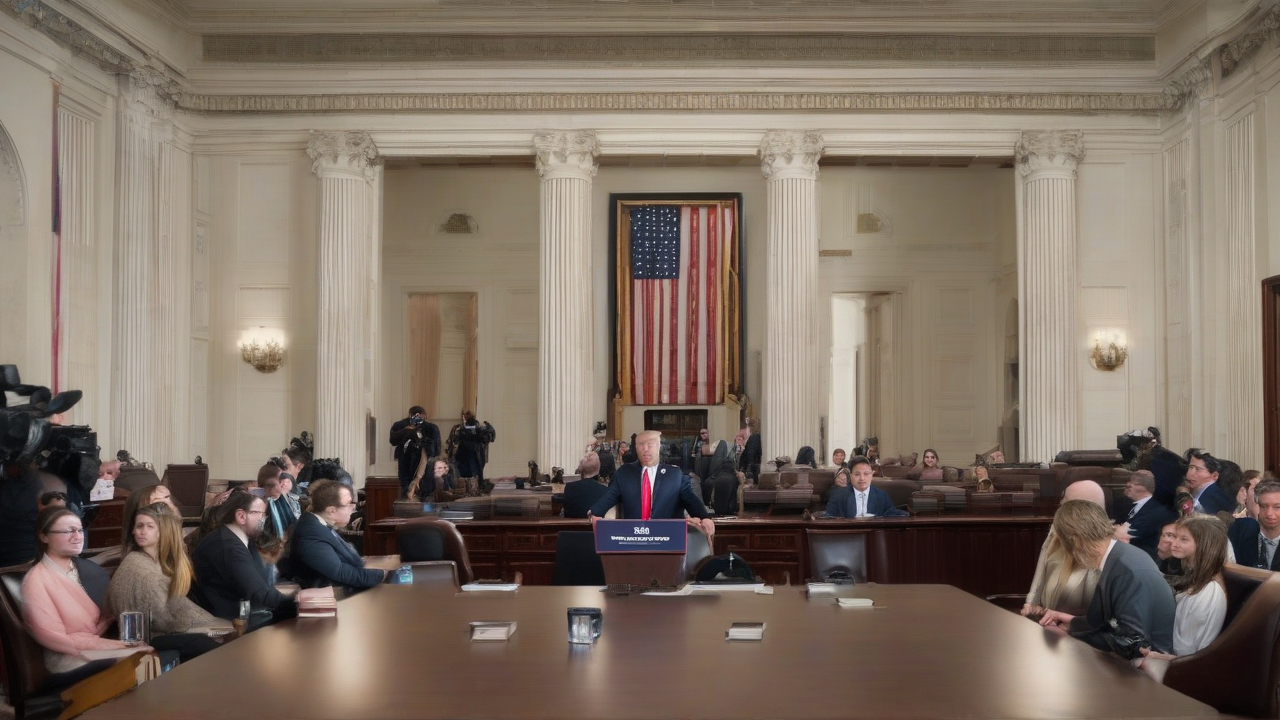
A federal judge has issued a temporary block on a Trump administration policy that sought to collect seven years’ worth of student application data, including information on applicants’ race. This decision comes after a coalition of Democratic attorneys general filed a lawsuit challenging the policy, as reported by the New York Times.
Background on the Policy and Lawsuit
The Trump administration’s policy, which was set to take effect, aimed to gather extensive data on student applications from institutions across the country. According to sources, this data would have included sensitive information such as racial demographics of applicants. The move was met with swift opposition from a group of Democratic attorneys general, who argued that the policy was an overreach of federal authority and could potentially lead to discrimination against certain groups of students.
Implications and Analysis
Observers point out that the collection of such data could have significant implications for civil rights and educational equity. Analysts note that the Trump administration’s push for this data may be part of a broader effort to reshape policies related to affirmative action and diversity in education. The lawsuit filed by the Democratic attorneys general signals a deep concern among states about the potential consequences of this policy, including the possibility of perpetuating racial disparities in education.
Impact on Students and Educational Institutions
The temporary block on the policy means that educational institutions will not be required to submit the extensive data on student applications as initially demanded. This decision affects not only the institutions but also the students themselves, as it potentially safeguards their personal information and ensures that admissions processes are fair and unbiased. Experts indicate that the stakes are high, with the outcome of this legal battle potentially influencing the future of affirmative action and diversity initiatives in schools.
Context and Broader Significance
The dispute over student data collection is part of a larger conversation about race, education, and federal oversight. Historically, the collection and use of racial data in educational contexts have been contentious issues, with debates centering on balance between promoting diversity and avoiding discrimination. The move by the Trump administration and the subsequent legal challenge reflect the ongoing tensions between federal policies and state rights, as well as the delicate balance between ensuring equal opportunities and respecting individual privacy.
Looking Ahead
As the legal battle unfolds, observers will be watching closely for the next developments. The court’s decision on the merits of the case will have significant implications for educational policy and civil rights. According to legal experts, the upcoming hearings and potential appeals will be crucial in determining the fate of the Trump administration’s policy and its impact on the future of education in the United States. Sources indicate that a final decision could take several months, during which time educational institutions and students will be awaiting clarity on how to proceed with application processes and data collection.


Reader Comments