
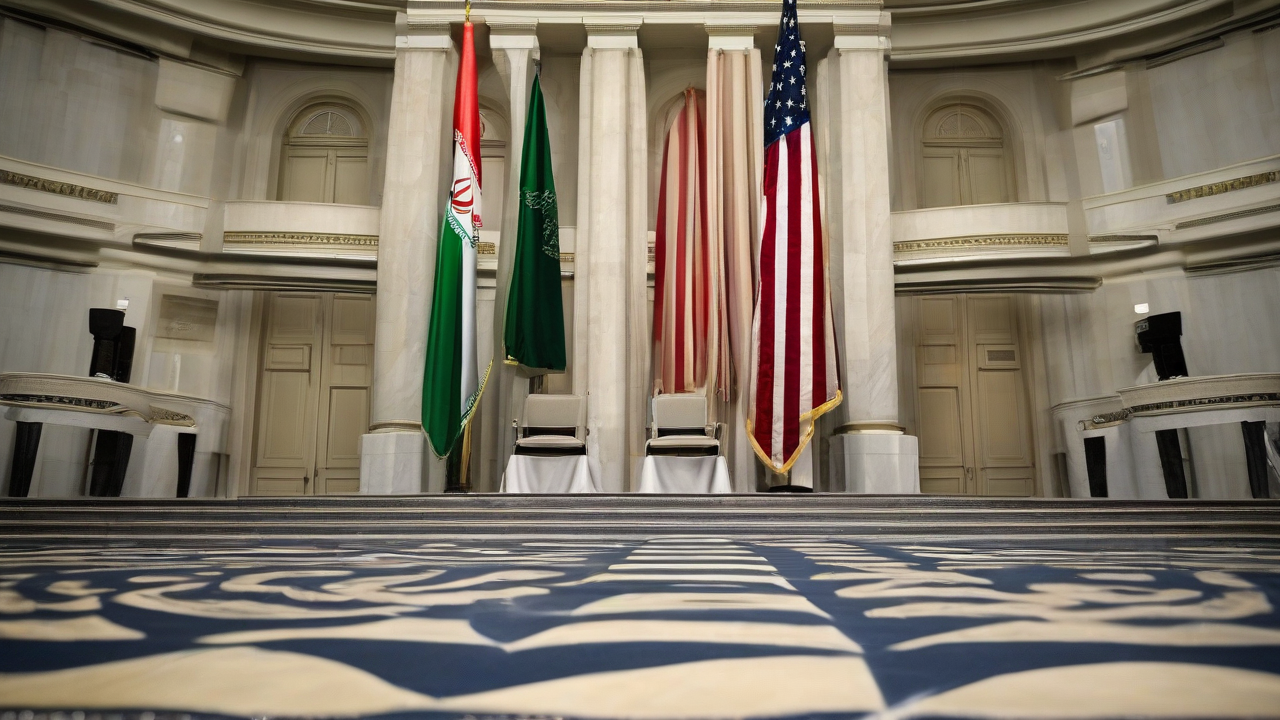
Economic Implications of Geopolitical Tensions
The ongoing conflict with Iran poses significant economic risks, potentially undermining the financial benefits many Americans have begun to experience from the tax cuts implemented in recent years. According to analysts, the timing of these geopolitical tensions could not be more critical, as the effects of the tax reductions are starting to materialize in the wallets of consumers and the balance sheets of businesses.
A Delicate Economic Balance
Observers point out that the economic gains from the tax cuts, as reported by the New York Times, have been a cornerstone of President Trump’s economic policy. However, the escalation of tensions with Iran has introduced a new variable into the economic equation, one that could offset some of the benefits accrued from these cuts. The move signals a challenging period ahead for policymakers, who must navigate the intricate balance between geopolitical strategy and economic stability.
Broader Implications and Historical Context
The situation is reminiscent of past conflicts, where the economic costs of war have overshadowed domestic policy achievements. Historically, wars have been known to divert significant resources, leading to increased government spending, potential tax hikes, and a shift in public and private investment away from non-defense sectors. This diversion can stall economic growth, inflate prices, and reduce the purchasing power of consumers, thereby negating the effects of tax cuts. Analysts note that understanding these historical patterns is crucial in assessing the current situation and predicting future economic trends.
Impact on Consumers and Businesses
The impact of the conflict on everyday Americans and businesses is multifaceted. On one hand, the rising costs associated with military engagement could lead to higher prices for goods and services, eroding the savings from the tax cuts. On the other hand, certain industries, such as defense and manufacturing, might experience a surge in demand and production, potentially creating new job opportunities and stimulating economic activity in specific sectors. As reported by sources indicating the early stages of these effects, it is essential to monitor how these contrasting outcomes play out across different parts of the economy.
Looking Ahead
As the situation with Iran continues to unfold, observers are keenly watching for signs of how the conflict will affect the economy in the coming months. Upcoming economic reports, including inflation rates, employment figures, and consumer spending data, will be closely scrutinized for indicators of how the war is influencing economic activity. Furthermore, any future decisions regarding military engagement, diplomatic efforts, or economic sanctions will be critical in determining the trajectory of the economy. According to the New York Times, these factors will play a significant role in shaping the economic landscape and the effectiveness of the tax cuts in promoting sustained economic growth.
Conclusion and Future Developments
In conclusion, the interplay between the conflict with Iran and the domestic economic policy, particularly the tax cuts, presents a complex challenge for the administration. The ability to manage these competing priorities will be a significant test of economic and geopolitical strategy. As the New York Times has highlighted, the next few months will be pivotal in understanding the full implications of these developments. With several key economic indicators and policy decisions on the horizon, stakeholders and the general public alike are awaiting clarity on how these factors will interact and influence the broader economic picture.


Reader Comments