
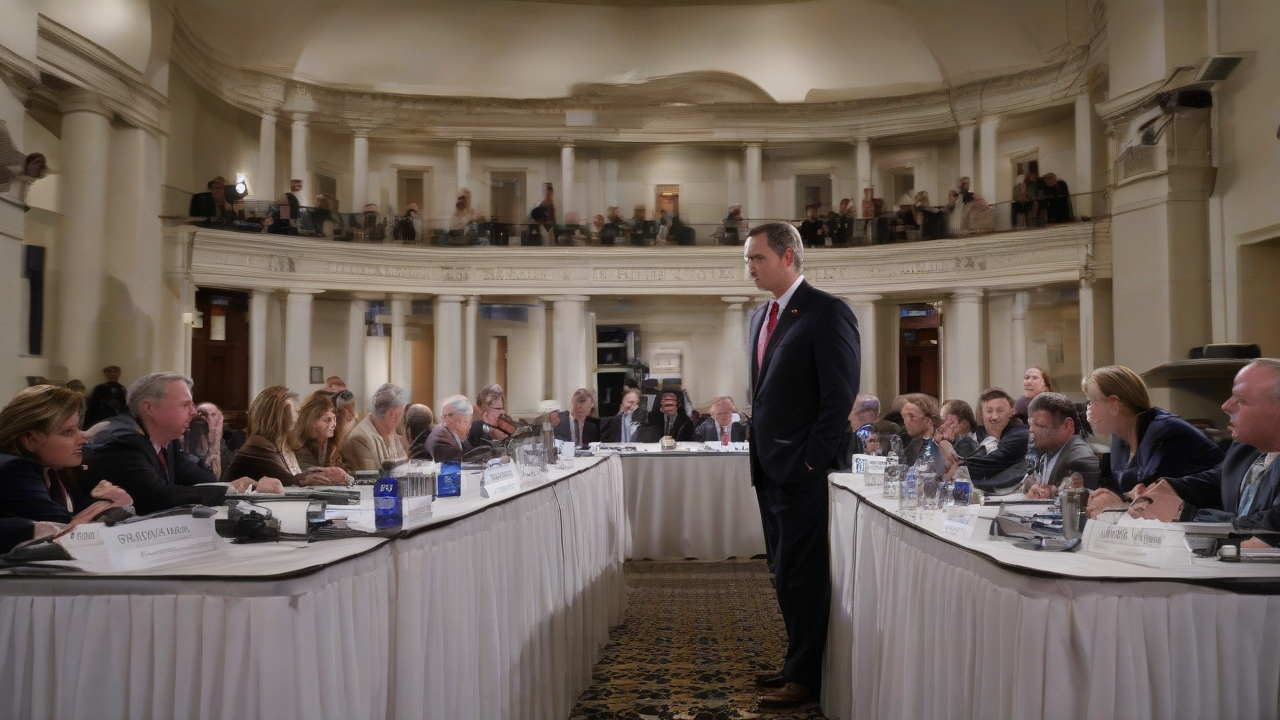
Oklahoma Senate Race Takes Shape
In a significant development that has reshaped the Oklahoma Senate race, a recent endorsement has effectively cleared the path for Representative Kevin Hern to succeed Senator Markwayne Mullin. According to sources, as reported by NYT Politics, this move, combined with other Republicans confirming they would not enter the race, has positioned Hern as the likely successor.
Context and Implications
Analysts note that this endorsement is crucial because it not only reflects the backing of a significant political figure but also signals a consolidation of support within the Republican party. Observers point out that the decision of other potential Republican candidates to not run further solidifies Hern’s position, making his succession to the Senate seat more probable. The move signals a strategic alignment within the party, aiming to secure the seat without a contentious primary battle.
Broader Trends and History
This development is part of a larger trend in political races where endorsements and party unity play critical roles in determining outcomes. Historically, such alignments have been pivotal in securing electoral victories, especially in races where the party’s grip on the seat is considered vulnerable. In the context of Oklahoma, where political leanings have been predominantly conservative, the Republican party’s ability to present a unified front could be decisive.
Impact Analysis
The stakeholders most directly affected by this development are the voters of Oklahoma, who will now likely have a clearer choice in the upcoming election. The implications of Hern’s probable succession are significant, as it could influence the political landscape of Oklahoma and potentially impact policy decisions at the federal level. Analysts suggest that a Hern victory could maintain the status quo in terms of political representation for the state, given his alignment with existing Republican ideologies.
Forward-Looking Analysis
As the race progresses, observers will be watching for any potential challengers from the Democratic side, as well as how Hern navigates the campaign trail with his newfound status as the likely Republican nominee. Upcoming debates, campaign finance reports, and voter turnout in the primaries will be critical indicators of the race’s dynamics. Furthermore, the response of national Democratic and Republican parties to this development will be noteworthy, as they may adjust their strategic investments in the race accordingly.
Conclusion and Next Steps
In conclusion, the recent endorsement in the Oklahoma Senate race marks a significant milestone, essentially paving the way for Representative Kevin Hern’s succession. As reported by NYT Politics on March 14, 2026, this development underscores the importance of party unity and strategic endorsements in contemporary political races. Looking ahead, the focus will shift to how Hern leverages this endorsement and the response from his potential opponents, setting the stage for what could be a fascinating electoral contest. Voters and political analysts alike will be closely watching the developments in this race, particularly as the election draws nearer and the stakes become clearer.


Reader Comments