
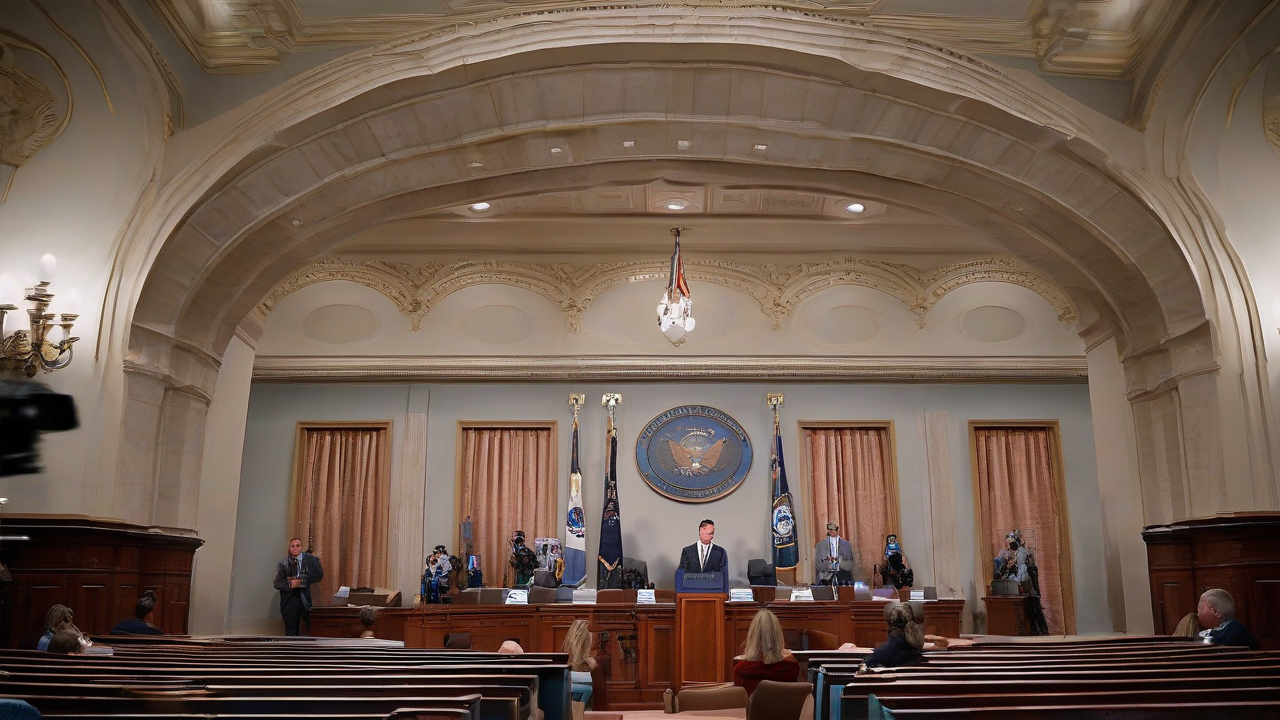
A Shift in Perspective: Understanding the Roots of Bellicose Rhetoric
The recent escalation in rhetoric from Defense Secretary Pete Hegseth has sparked intense debate, with many analysts noting a significant shift in his tone and language when discussing military conflicts, particularly in relation to Iran. According to sources familiar with Hegseth’s background, as reported by the New York Times, this hardened stance can be traced back to his experiences during his time in Iraq. Observers point out that understanding the origins of this shift is crucial in grasping the current geopolitical landscape and the implications of such rhetoric on international relations.
Context and Implications
The move signals a broader trend in how military engagements are perceived and discussed by high-ranking officials. Analysts note that the language used by Defense Secretary Hegseth reflects a complex interplay of personal experience, political ideology, and strategic military thinking. This shift towards more bellicose and vengeful rhetoric is not isolated but rather part of a larger discourse on the role of military power in achieving national interests. As reported by the New York Times, Hegseth’s evolution on the issue of military intervention underscores the complexities of formulating and communicating defense policies, especially in regions like the Middle East, where historical, political, and religious factors deeply influence conflicts.
Expert Analysis and Broader Trends
Observers of international relations and military strategy highlight that the adoption of more aggressive rhetoric by key figures like Defense Secretary Hegseth can have far-reaching consequences. It can influence public perception of military actions, impact diplomatic relations with other nations, and set the tone for future military engagements. The implications of such a shift are multifaceted, affecting not only the countries directly involved in conflicts but also global stability and the rules-based international order. Experts emphasize the need for a nuanced understanding of the factors driving this rhetoric, including personal experiences, political pressures, and geopolitical realities.
Impact on Geopolitics and Future Developments
The stakes are high, with the potential for escalated tensions and military conflicts. The language and tone adopted by high-ranking officials like Defense Secretary Hegseth can either de-escalate or exacerbate existing tensions. As the international community watches the developments in Iran and other conflict zones, the words and actions of defense leaders are under scrutiny. According to sources, the coming weeks and months will be critical in determining the trajectory of these conflicts, with several key diplomatic meetings and strategic decisions on the horizon.
Forward-Looking Perspective
As the situation continues to evolve, what to watch next includes significant diplomatic engagements and potential shifts in military strategy. Analysts are closely monitoring the statements and actions of Defense Secretary Hegseth and other key players, looking for indicators of whether the current bellicose rhetoric will translate into actual policy changes or military actions. The New York Times and other news outlets will likely continue to provide in-depth coverage of these developments, offering insights into the complex factors at play. For now, the international community remains vigilant, awaiting the next moves from major stakeholders and hoping for a path towards de-escalation and peace.
Reader Comments