
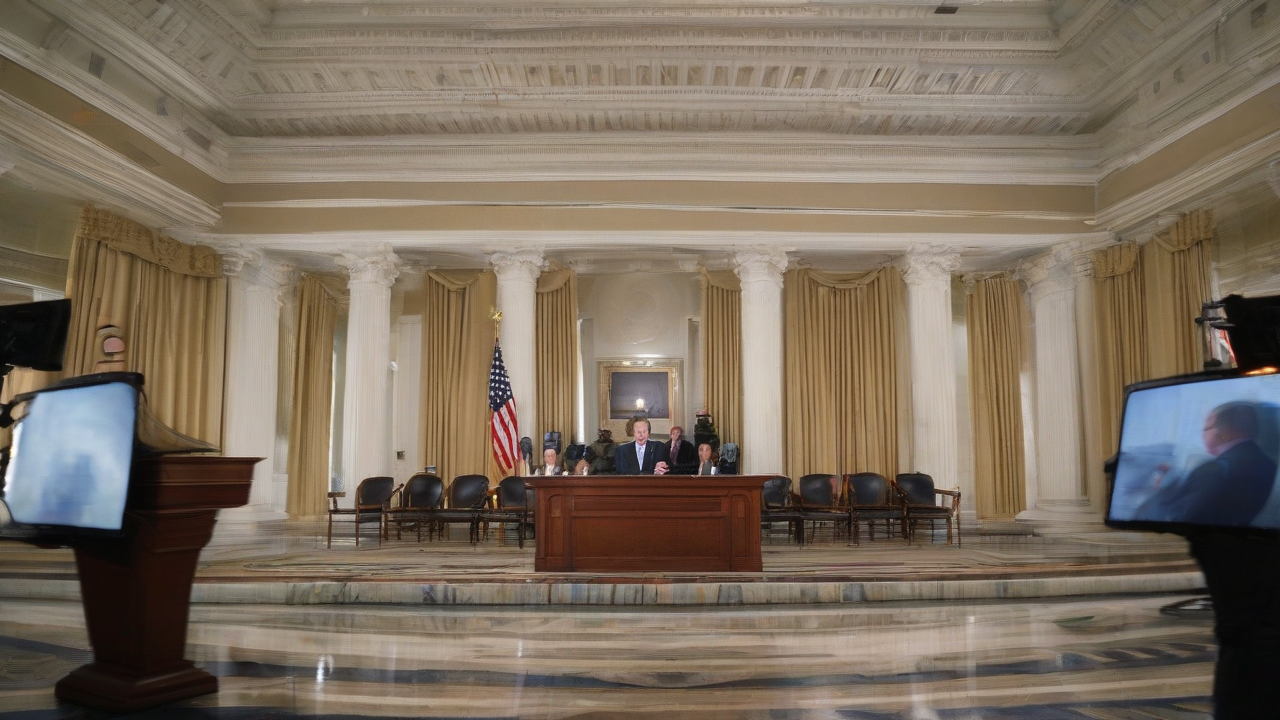
Recent Developments in Military Protocol Spark Debate
A recent statement by the defense secretary has come under scrutiny, as reported by the New York Times, with the official criticizing rules designed to minimize the risk of civilian casualties and mistakes in combat situations. According to sources, the defense secretary’s comments have sparked concern among observers, who note that such rules are in place to protect both military personnel and civilians.
Context and Implications
The rules in question, aimed at regulating when and how military forces can open fire, have been a subject of debate within the defense community. Analysts point out that these protocols are crucial in modern warfare, where distinguishing between combatants and non-combatants can be increasingly challenging. The move to potentially relax these rules signals a shift in military strategy, one that observers suggest could have significant implications for the conduct of future operations.
Expert Analysis and Concerns
Observers point out that the defense secretary’s stance on these rules reflects a broader discussion within the military about the balance between achieving tactical objectives and minimizing harm to civilians. As reported by the New York Times, this debate highlights the complexities of modern warfare, where the risk of civilian casualties can have strategic as well as moral implications. Experts in military ethics note that the principles of distinction and proportionality are fundamental to the laws of war, emphasizing the need to distinguish between military targets and civilians, and to ensure that the harm caused to civilians is not excessive in relation to the anticipated military advantage.
Impact on Military Operations and Civilian Safety
The potential relaxation of rules for opening fire could affect military operations in several ways. It could lead to more aggressive tactics, potentially increasing the pace of operations but also the risk of mistakes. Analysts note that such a shift could undermine efforts to win the hearts and minds of local populations, a critical component of counterinsurgency strategies. Furthermore, sources indicate that civilian safety could be compromised, as looser rules might lead to more frequent incidents of civilian casualties, which in turn could fuel resentment and instability in affected regions.
Forward-Looking Considerations
As the debate over military engagement rules continues, several key developments are worth watching. Upcoming policy reviews and discussions within the defense community are expected to shed more light on the future of these protocols. Additionally, international reactions to any changes in U.S. military rules of engagement will be closely monitored, as such shifts could have implications for coalition operations and international law. According to the New York Times, the outcome of these discussions will have significant implications for the conduct of military operations and the protection of civilians in conflict zones.
Conclusion and Next Steps
The scrutiny faced by authorities over the defense secretary’s comments underscores the complexity and sensitivity of military protocol discussions. As the situation develops, it will be important to follow not only the policy decisions made by the defense department but also the reactions from international partners, human rights organizations, and the broader public. The New York Times’ reporting on this issue highlights the need for ongoing scrutiny and debate over the rules that govern military action, ensuring that they balance the need for effective military operations with the imperative to protect civilian lives.
Reader Comments