
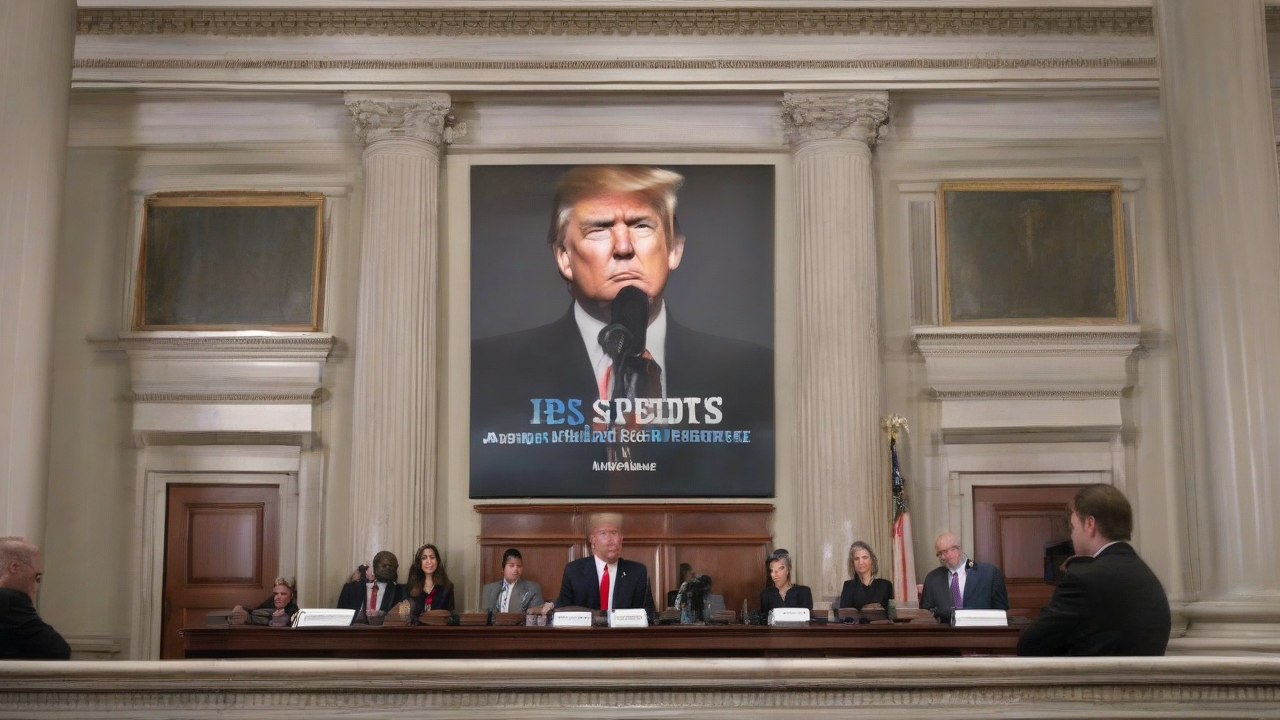
Immigration Policy Update
A recent appeals court decision has allowed the Trump administration’s controversial deportation policy to stand, at least for the time being. According to reports from the New York Times, this policy enables the government to deport individuals to third countries, including South Sudan and Rwanda, rather than their countries of origin. This move has been seen as a significant attempt to create uncertainty and disruption for immigrants seeking to enter or remain in the United States.
Background and Context
The Trump administration’s deportation policy has been a subject of intense debate and controversy since its inception. Analysts note that the policy is part of a broader effort to restrict immigration and create a more complex and daunting process for those seeking to enter the country. Observers point out that deporting individuals to third countries can have significant humanitarian implications, as these countries may not be equipped to handle the influx of new arrivals or provide them with the necessary support and resources.
Impact on Immigrants
The decision is expected to have a profound impact on immigrants who are currently in the United States or seeking to enter the country. As reported by sources, many of these individuals may face significant challenges and risks if they are deported to third countries, including the potential for violence, persecution, or other forms of harm. Experts emphasize that the policy may also have a chilling effect on asylum seekers, who may be deterred from seeking protection in the United States due to the uncertainty and unpredictability of the deportation process.
Legal Developments
The appeals court decision is the latest development in a lengthy and complex legal battle over the Trump administration’s deportation policy. According to the New York Times, the policy has been challenged by immigrant advocacy groups and other organizations, who argue that it is unlawful and violates the rights of immigrants. The case is likely to continue to make its way through the courts, with potential implications for the future of immigration policy in the United States.
Broader Implications
The deportation policy is part of a broader trend of increased immigration enforcement and restriction under the Trump administration. Analysts note that this trend has significant implications for the future of immigration in the United States, as well as for the country’s relationships with other nations. Observers point out that the policy may also have economic and social implications, as it may affect the ability of businesses and communities to attract and retain immigrant talent and labor.
What’s Next
As the legal battle over the deportation policy continues to unfold, observers will be watching closely to see how the case develops and what implications it may have for the future of immigration policy in the United States. According to sources, the next step in the process may involve a potential appeal to the Supreme Court, which could have significant implications for the policy and its implementation. In the meantime, immigrant advocacy groups and other organizations are likely to continue to push back against the policy, arguing that it is unlawful and inhumane. As reported by the New York Times, the outcome of this case will have significant implications for the lives and futures of thousands of immigrants, and will be closely watched by observers and analysts in the coming weeks and months.



Reader Comments