A Disturbing Shift in Priorities
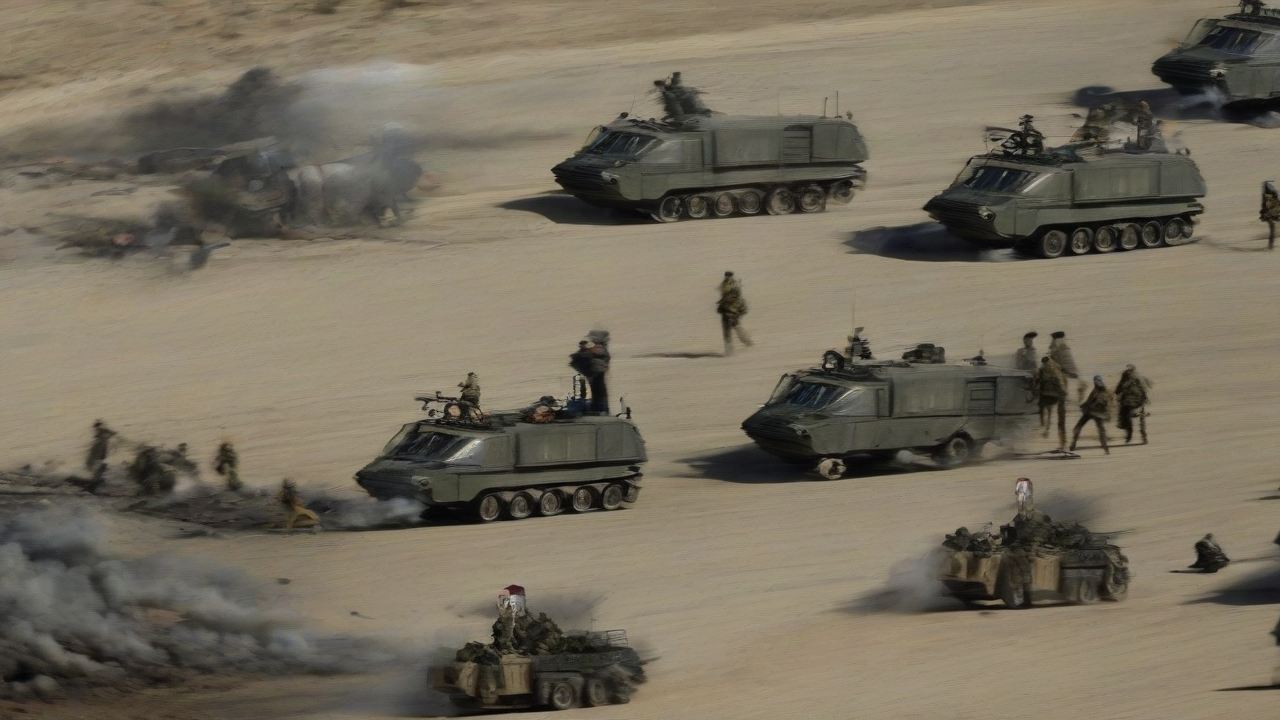
The ongoing conflict with Iran is having a profound impact on America’s ability to deter China, a fact that should be deeply troubling to anyone concerned with global stability. As the WashPost Opinions piece highlights, the U.S. tactical gains in the Middle East are coming at a significant cost, consuming the very resources needed to maintain a strong presence in the Indo-Pacific. This raises a critical question: what is the true cost of our involvement in the Iran war, and are we sacrificing our long-term strategic interests in the process?
Eroding Deterrence
The article notes that the ships, munitions, and readiness required to maintain a robust deterrent in the Indo-Pacific are being diverted to support the war effort in Iran. This is a stark reminder that the U.S. military is not invincible, and that our resources are finite. By pouring so much into the Iran conflict, we are essentially stripping ourselves of the capability to respond effectively to Chinese aggression in the region. The consequences of this are far-reaching, and could potentially embolden China to pursue its expansionist ambitions with greater vigor. As the WashPost Opinions piece astutely observes, U.S. tactical gains are consuming the ships, munitions and readiness needed for the Indo-Pacific, a development that undermines our ability to maintain a strong presence in the region.
A False Sense of Security
Some may argue that the U.S. can simply increase its military spending to compensate for the resources being diverted to the Iran war. But this is a simplistic solution that ignores the complexities of military logistics and the limitations of our industrial base. Moreover, it is unclear whether throwing more money at the problem would actually address the underlying issues of readiness and capability. The fact remains that our military is being stretched thin, and the strain is beginning to show. As the WashPost Opinions piece notes, the U.S. tactical gains in the Middle East are coming at a significant cost, and it is essential to consider the long-term implications of our actions.
Counterarguments and Concerns
Others may counter that the Iran war is a necessary evil, and that the benefits of our involvement outweigh the costs. However, this argument relies on a narrow focus on short-term gains, without considering the broader strategic implications of our actions. The reality is that our involvement in the Iran war is not only eroding our deterrent capabilities in the Indo-Pacific, but also undermining our relationships with key allies and partners in the region. As we divert resources to support the war effort, we are essentially abandoning our commitment to maintaining a free and open Indo-Pacific, and leaving a power vacuum that China is eager to fill.
A Call to Reassess
So what can be done to address this issue? First and foremost, we need to reassess our priorities and recognize that the Iran war is not the only game in town. We must find a way to balance our commitments in the Middle East with our strategic interests in the Indo-Pacific. This may involve seeking a diplomatic solution to the Iran conflict, or finding ways to reduce our military footprint in the region without compromising our security. The WashPost Opinions piece serves as a timely reminder that our actions have consequences, and that we must be mindful of the potential risks and benefits of our decisions. As we move forward, it is essential to consider the potential consequences of our actions, and to prioritize our strategic interests in the Indo-Pacific.
A Warning Sign
The erosion of our China deterrent is a warning sign that we cannot afford to ignore. It is a reminder that our military power is not limitless, and that we must be careful not to overextend ourselves. As we continue to prosecute the war in Iran, we must also be mindful of the potential costs to our strategic interests in the Indo-Pacific. The question is, will we heed this warning, or will we continue down a path that undermines our ability to deter Chinese aggression? The answer to this question will have far-reaching consequences for global stability, and it is imperative that we get it right. As the WashPost Opinions piece so aptly puts it, the U.S. tactical gains in the Middle East are consuming the ships, munitions and readiness needed for the Indo-Pacific, a development that should serve as a wake-up call for policymakers and citizens alike.
Reader Comments