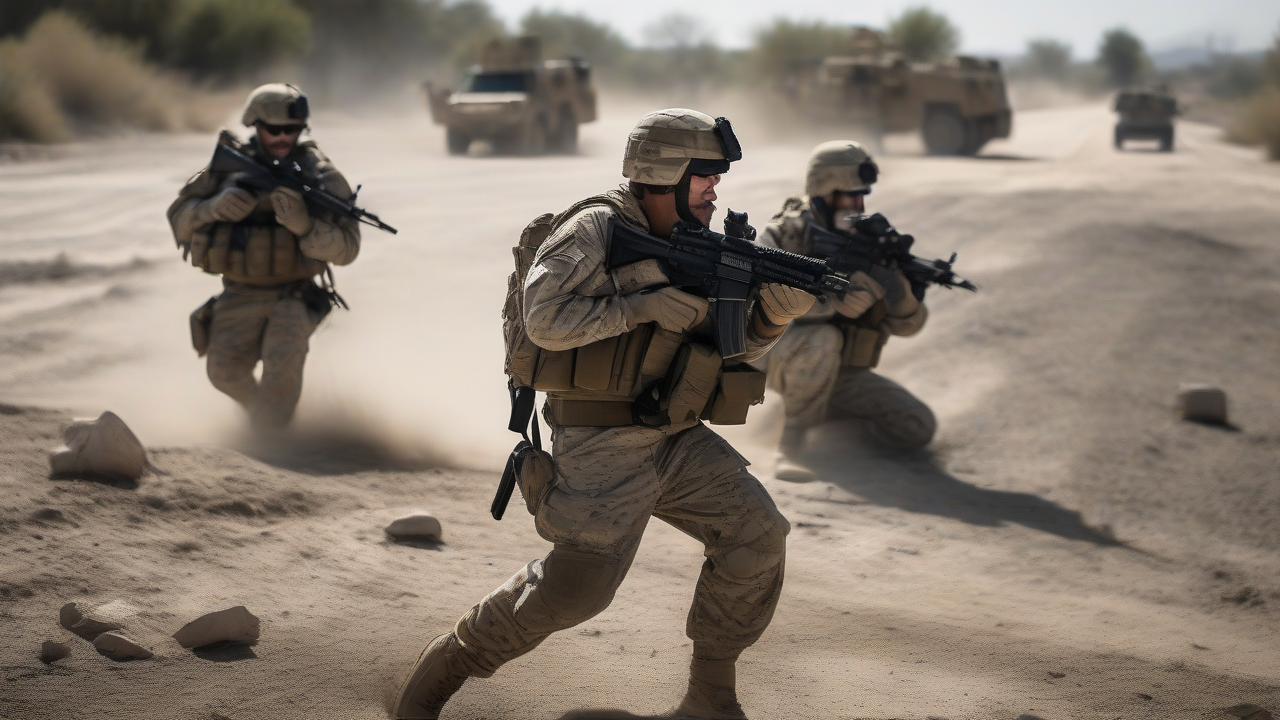
A Broken Framework: The Erosion of Constitutional War Powers
The stark reality that our constitutional framework for war lies in pieces around us is a damning indictment of our collective failure to uphold the principles of our democracy. As noted in a recent opinion piece in the New York Times, the very foundation of our war-making authority is crumbling, leaving us vulnerable to unchecked executive power and the dangers of perpetual conflict. This is not merely a theoretical concern, but a pressing issue that demands immediate attention and action.
The Facts on the Ground
The facts are clear: our constitutional framework, designed to ensure that the power to declare war is shared between the legislative and executive branches, is no longer functioning as intended. This breakdown has significant consequences, including the erosion of congressional authority and the concentration of power in the hands of the president. As the NYT opinion piece so aptly puts it, “Our constitutional framework for war lies in pieces around us.” This is not a partisan issue, but a fundamental challenge to the rule of law and the separation of powers.
Counterarguments and Criticisms
Some may argue that the current system, despite its flaws, has allowed for swift and decisive action in response to emerging threats. However, this argument ignores the long-term costs of abandoning our constitutional framework. Others may claim that the complexity of modern warfare requires a more flexible and adaptable approach, one that is not constrained by outdated notions of congressional authority. But do we really want to sacrifice our democratic values on the altar of expediency? What happens when the executive branch, unchecked by congressional oversight, embarks on a war of choice, rather than necessity? The consequences are too dire to contemplate.
A Call to Action
So, what can be done to restore our constitutional framework and ensure that the power to declare war is exercised in a responsible and democratic manner? First and foremost, Congress must reassert its authority and reclaim its role in the war-making process. This requires a willingness to engage in meaningful oversight and to hold the executive branch accountable for its actions. Secondly, we must have a national conversation about the nature of war and the limits of executive power. What are the consequences of unchecked presidential authority, and how can we prevent the erosion of our democratic values? Finally, we must demand more from our elected leaders, insisting that they uphold the principles of our constitution and defend the rule of law.
The Future of War and Democracy
As we move forward, we must confront the reality that our constitutional framework for war is broken, and that the consequences of inaction will be severe. Will we continue down the path of unchecked executive power, or will we reclaim our democratic heritage and restore the balance of power between the legislative and executive branches? The choice is ours, and the future of our democracy hangs in the balance. In the words of the NYT opinion piece, “I declare war on you” – but who is the enemy, and what are the stakes? The answer to these questions will determine the course of our nation and the future of our democracy.
Reader Comments