
Breaking Down Barriers in Animal Vaccination
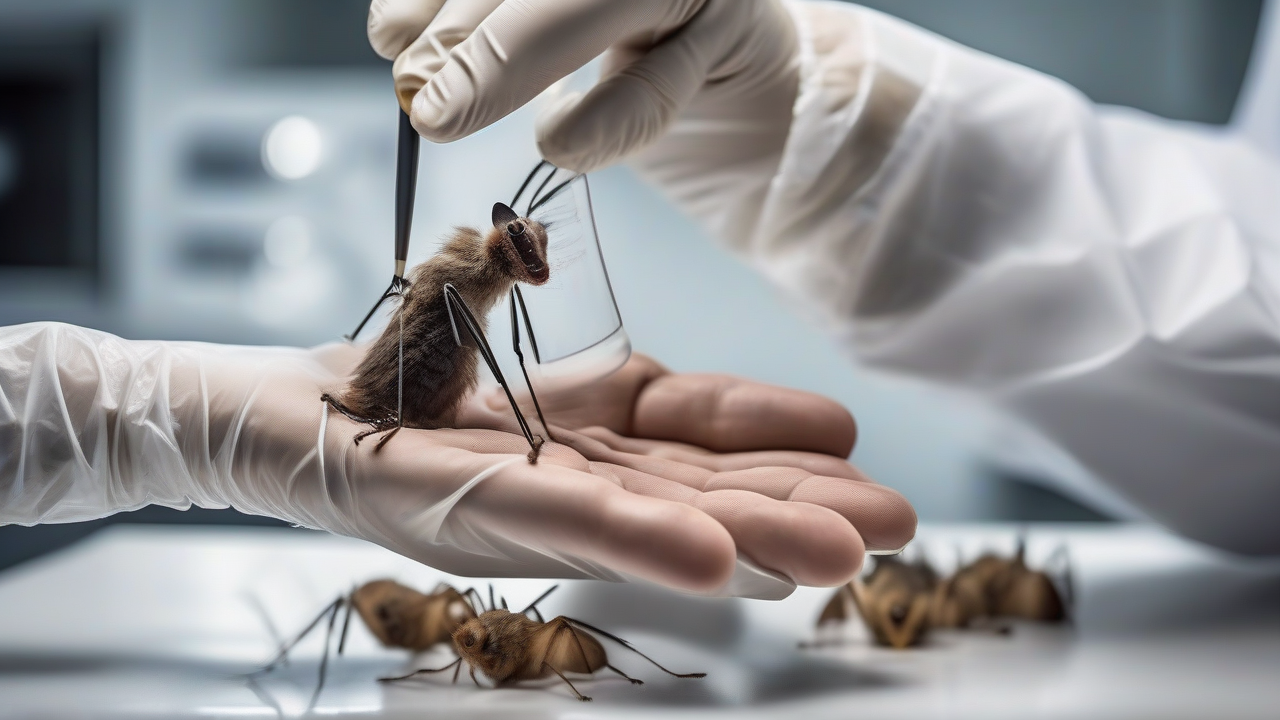
In a groundbreaking development, scientists have discovered a novel approach to vaccinating bats, which could have significant benefits for human health. According to reports from NPR, Chinese virologists have successfully developed vaccine-carrying mosquitoes to immunize bats against deadly diseases such as rabies and Nipah. This innovative method has the potential to slow the spread of these diseases, ultimately protecting both human and animal populations.
The Challenge of Vaccinating Bats
Vaccinating bats is a complex task, as these animals are notoriously difficult to catch and handle. Traditional vaccination methods, which often require direct contact with the animal, are not feasible for bats. However, by utilizing mosquitoes as “flying vaccines,” scientists have found a creative solution to this problem. As reported by Gavi, the Vaccine Alliance, this approach involves genetically modifying mosquitoes to carry vaccines, which are then transmitted to bats through mosquito bites.
Why It Matters
The development of vaccine-carrying mosquitoes has significant implications for public health. Rabies and Nipah, the diseases being targeted by this vaccination method, are both highly infectious and can have devastating consequences for humans. By vaccinating bat populations, scientists hope to reduce the risk of transmission to humans, thereby saving lives. Observers point out that this approach could also have a positive impact on animal health, as bats play a crucial role in maintaining ecosystem balance.
Expert Analysis
Analysts note that the use of vaccine-carrying mosquitoes is a prime example of innovative thinking in the field of animal vaccination. By leveraging the natural behavior of mosquitoes, scientists have created a efficient and effective method for vaccinating bats. The move signals a shift towards more creative and adaptive approaches to disease prevention, which could have far-reaching benefits for both human and animal health.
Impact and Implications
The impact of vaccine-carrying mosquitoes on human and animal populations could be substantial. According to sources, including The Independent, this approach has the potential to slow the spread of deadly diseases, reducing the risk of transmission to humans. Furthermore, by protecting bat populations, scientists hope to maintain the delicate balance of ecosystems, which is essential for maintaining biodiversity.
What’s Next
As this technology continues to develop, scientists will be watching closely to see how effective it is in reducing the spread of diseases. Upcoming studies will focus on the long-term efficacy of vaccine-carrying mosquitoes, as well as their potential applications in other animal populations. With the support of organizations such as Gavi, the Vaccine Alliance, and WTAJ, researchers are optimistic about the potential of this innovative approach to make a significant impact on public health. As reported by NPR, the future of animal vaccination looks promising, with vaccine-carrying mosquitoes leading the way.



Reader Comments