
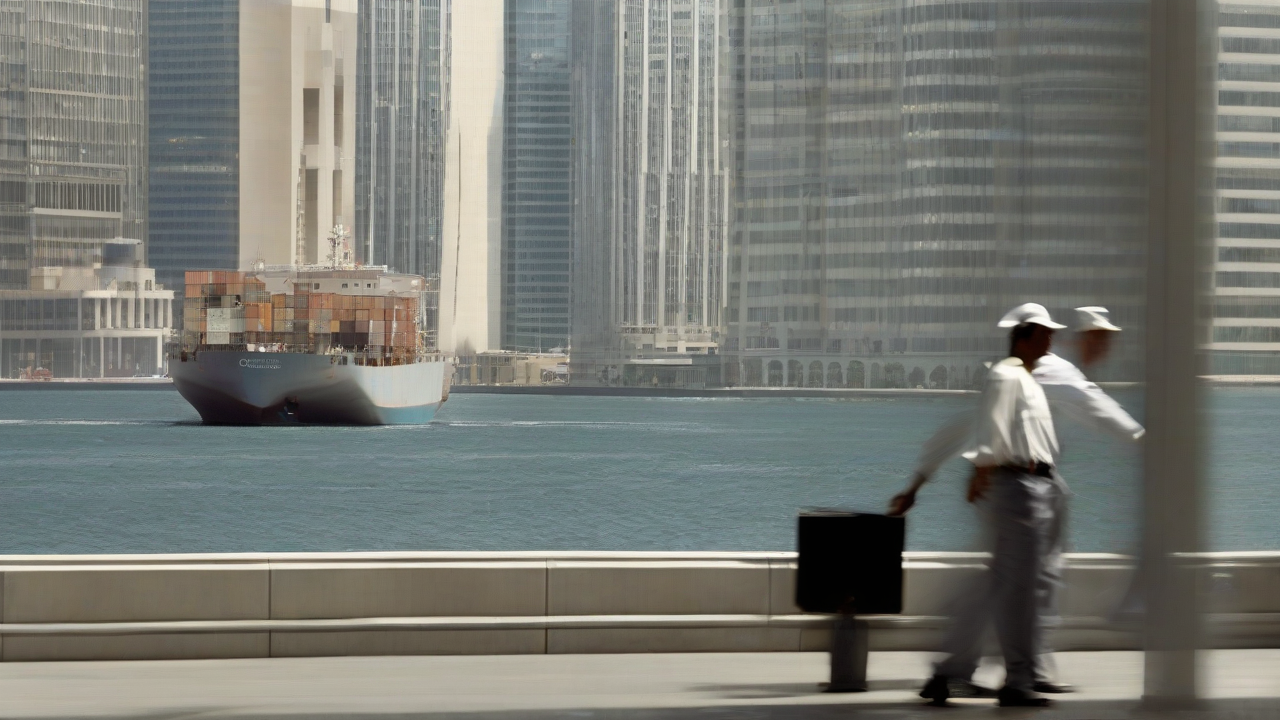
Rising Tensions in the Strait of Hormuz
The shipping industry is on high alert as a second oil tanker owned by Greek company Dynacom has successfully navigated the Strait of Hormuz, according to reports from Bloomberg Markets. This move comes despite growing caution among other shipowners, who are increasingly hesitant to traverse the strategic waterway due to escalating tensions in the region.
A Delicate Balance of Power
Analysts note that the situation in the Middle East has become increasingly volatile, with Iran responding to perceived attacks by Israel and the US. The move by Dynacom to send a second tanker through the Strait of Hormuz signals a calculated risk, as the company weighs the potential benefits of maintaining oil shipments against the potential dangers posed by the current geopolitical climate. Observers point out that the strait is a critical chokepoint for global oil supplies, with approximately 20% of the world’s oil passing through it every day.
Why It Matters
The decision by Dynacom to press on with oil shipments through the Strait of Hormuz has significant implications for the global energy market. As reported by Bloomberg Markets, the shipping industry is closely watching the situation, with many owners opting to hold back on sending their tankers through the strait. This could potentially lead to supply chain disruptions and increased costs for oil imports, which would have far-reaching consequences for the global economy. According to sources, the move by Dynacom is seen as a test of the waters, with other shipowners waiting to see how the situation unfolds before making their own decisions.
Impact on the Shipping Industry
The stakes are high for the shipping industry, with the potential for increased insurance costs, higher fuel prices, and decreased demand for oil shipments through the Strait of Hormuz. Analysts indicate that the situation is being closely monitored by industry leaders, who are working to mitigate the risks associated with navigating the strait. As the situation continues to unfold, observers point out that the shipping industry will be forced to adapt to the new reality, potentially leading to changes in global trade routes and patterns.
Looking Ahead
As the situation in the Strait of Hormuz continues to evolve, all eyes will be on the shipping industry’s response to the growing tensions in the region. According to Bloomberg Markets, the next few weeks will be critical in determining the trajectory of the situation, with upcoming decisions by other shipowners and governments likely to have a significant impact on the global energy market. Sources indicate that the international community will be watching closely, as the situation has the potential to escalate into a full-blown crisis, with far-reaching consequences for global stability and security.



Reader Comments