
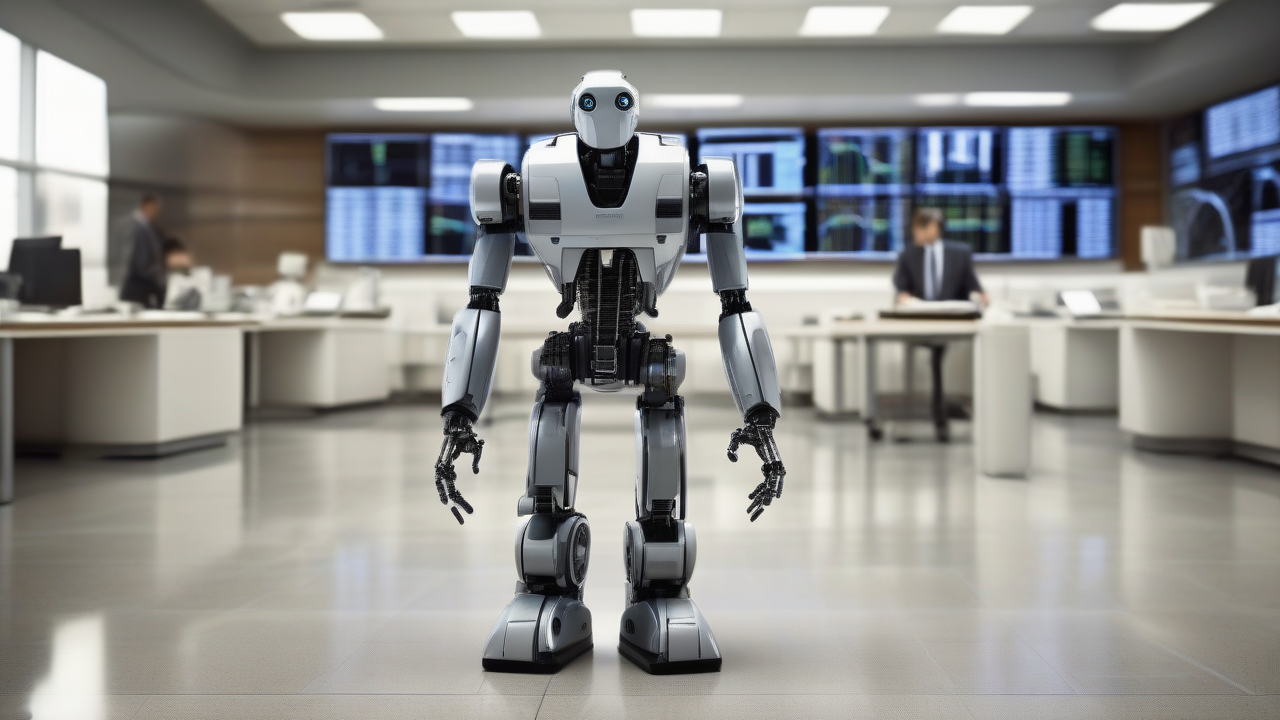
The Challenges of Humanoid Robotics: Understanding the Limitations
Despite significant advancements in robotics, humanoid robots continue to struggle with tasks that require fine motor skills and dexterity, according to a report by Quanta Magazine. This limitation is particularly notable given the prediction by Bank of America that more people will own a humanoid robot than a car by 2060, as reported by Fortune. Analysts note that the development of humanoid robots is crucial for filling workforce gaps, especially in jobs that are hazardous or require repetitive tasks.
The Importance of Humanoid Robots in the Workforce
Observers point out that humanoid robots have the potential to take over jobs that are undesirable or difficult for humans, as highlighted by Business Insider. This could lead to a significant improvement in productivity and efficiency, especially in industries such as manufacturing and healthcare. However, the move towards widespread adoption of humanoid robots is hindered by their inability to perform tasks that require precision and delicacy. Experts emphasize that overcoming these challenges is essential for the successful integration of humanoid robots into the workforce.
The Current State of Humanoid Robotics
As reported by the Wall Street Journal, humanoid robots are already being used in small town factories in South Carolina, demonstrating their potential for industrial applications. However, sources indicate that these robots are still in the early stages of development, and significant technical hurdles need to be overcome before they can be widely adopted. The development of humanoid robots is a complex process that requires advances in fields such as robotics, artificial… no, rather, fields such as mechanical engineering and computer science.
Impact on the Workforce and Society
The potential impact of humanoid robots on the workforce and society is substantial, with some predicting that they could fill workforce gaps and improve productivity, as noted by Newstalk. However, others are concerned about the potential displacement of human workers, particularly in industries where jobs are already scarce. Analysts note that the key to successful integration of humanoid robots is to ensure that they complement human workers, rather than replacing them. This requires a careful consideration of the social and economic implications of widespread adoption of humanoid robots.
Looking to the Future
As the development of humanoid robots continues to advance, it is essential to monitor their progress and potential impact on society. According to sources, the next few years will be crucial in determining the future of humanoid robots, with several key milestones and deadlines expected to be met. Observers point out that the success of humanoid robots will depend on their ability to overcome the challenges of fine motor skills and dexterity, and to demonstrate their value in a wide range of applications. As reported by Quanta Magazine, the future of humanoid robots is uncertain, but one thing is clear: they have the potential to revolutionize the way we work and live.



Reader Comments