
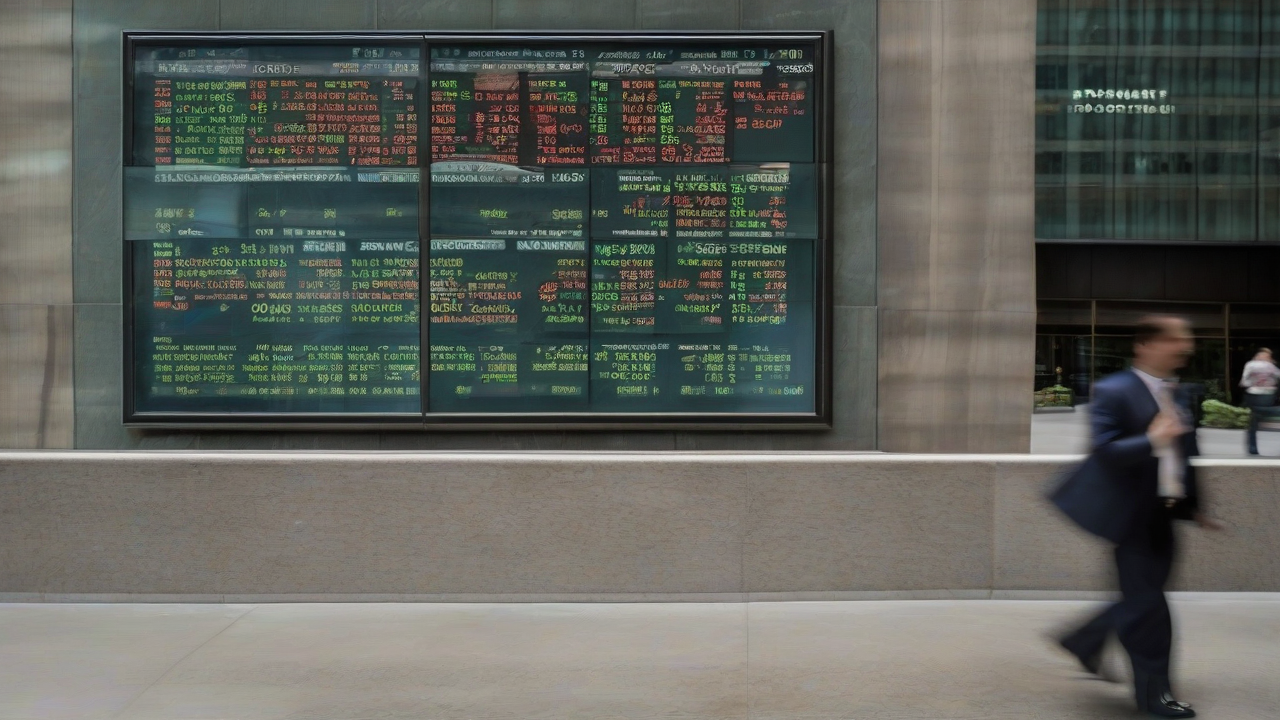
Escalating Tensions in the Middle East Spark Fears of Economic Downturn
The intensifying conflict between Iran and other nations has led to a significant increase in oil prices, with the cost of a barrel surpassing $100, according to reports from CNBC. This surge in oil prices has, in turn, sparked concerns about the potential impact on the global economy, with some analysts predicting a possible recession. As reported by MarketWatch, options traders are now pricing in the possibility of a “disaster” scenario, indicating a growing sense of unease among investors.
Investors Seek Profit Amidst Uncertainty
Despite the ominous outlook, some investors are looking for ways to profit from the situation. According to Bloomberg, Yardeni Research has raised the odds of a markets meltdown to 35% due to the escalating Iran war risks. This shift in sentiment has led to increased activity in the options market, as investors seek to hedge their bets or capitalize on potential losses. Analysts note that investors can use various strategies, such as buying puts or calls, to mitigate potential losses or gain from the volatility.
Broader Implications of the Conflict
The conflict in the Middle East has far-reaching implications, extending beyond the immediate region. Observers point out that a prolonged and intense conflict could lead to a significant increase in oil prices, which would have a ripple effect on the global economy. As CNN reports, the Middle East war could potentially spark a recession, affecting not only the regional economy but also having a global impact. The move signals a growing concern among economists and investors about the potential consequences of the conflict.
Impact on the Global Economy
The escalating tensions in the Middle East are affecting various sectors of the global economy. Sources indicate that the increase in oil prices is already having an impact on industries such as transportation, manufacturing, and consumer goods. The rise in oil prices is also affecting the stock market, with some companies experiencing significant losses. Analysts note that the situation is being closely monitored by investors, policymakers, and economists, who are all waiting to see how the conflict will unfold and what the ultimate impact will be on the global economy.
What to Watch Next
As the situation in the Middle East continues to unfold, investors and economists will be closely watching the developments. According to Kalshi, a platform that allows users to trade on event outcomes, the odds of a recession have jumped significantly after oil prices topped $100. The move signals a growing sense of uncertainty among investors, who are now waiting to see how the conflict will affect the global economy. Upcoming decisions, such as potential interventions by international organizations or governments, will be crucial in determining the outcome of the conflict and its impact on the global economy. As reported by Yardeni QuickTakes, the situation is being closely monitored, and investors are advised to stay vigilant and adapt to the changing circumstances.



Reader Comments