
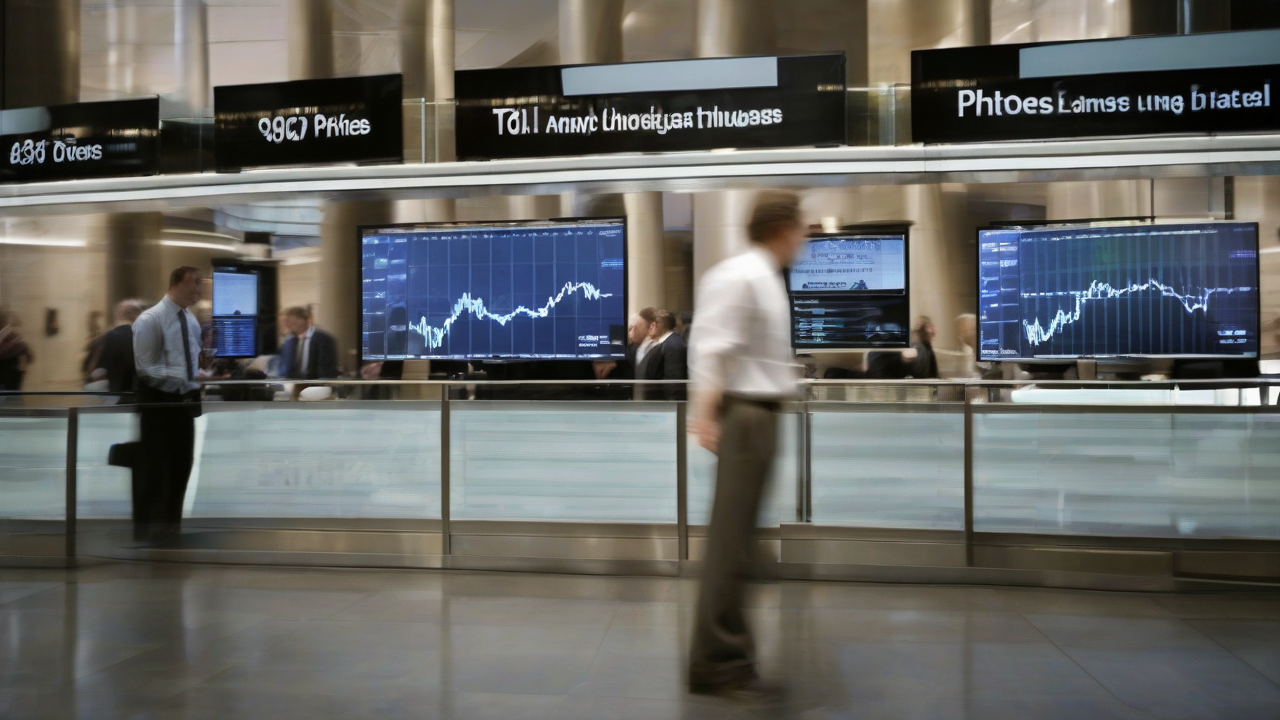
Global Oil Prices Surge Amid Ongoing Conflict
The price of oil has increased by 40% since the start of the war, according to reports from The New York Times, signaling a significant shift in the global energy market. This substantial gain is largely attributed to the continued closure of the Strait of Hormuz, a critical oil shipping route, as reported by Reuters. The ongoing turmoil in the Gulf region has led to a surge in crude futures, with oil markets bracing for lasting instability.
Market Volatility and Investor Concerns
Analysts note that the current market chaos is causing significant concern among investors, with some experiencing drastic losses in a matter of seconds. As reported by Bloomberg, the rapid fluctuations in oil prices are resulting in substantial financial losses, with one trader citing the potential to “lose $1 million in 2 seconds.” This level of volatility is unprecedented and is being closely monitored by industry watchers. Observers point out that the situation is further complicated by the lack of a clear resolution to the conflict, leading to prolonged uncertainty in the oil markets.
Broader Implications and Context
The rise in oil prices has far-reaching implications, affecting not only the energy sector but also the global economy. As noted by Politico, there are several reasons why oil prices may not decrease anytime soon, including the ongoing conflict and the potential for long-term damage to oil infrastructure. The Wall Street Journal reports that oil markets are preparing for a prolonged period of turmoil in the Gulf, which could have significant consequences for the global economy. Experts emphasize that the current situation is a stark reminder of the importance of energy security and the need for diversified energy sources.
Impact on Global Economy and Consumers
The surge in oil prices is likely to have a significant impact on consumers and businesses worldwide. As oil prices continue to rise, the cost of goods and services is likely to increase, affecting inflation rates and economic growth. Analysts warn that the current situation could lead to a decrease in consumer spending, potentially slowing down economic growth. The move signals a challenging period ahead for the global economy, with the potential for widespread repercussions.
What to Watch Next
As the situation continues to unfold, investors and industry watchers will be closely monitoring the developments in the Gulf region. Upcoming decisions regarding the conflict and the potential reopening of the Strait of Hormuz will be crucial in determining the future of oil prices. According to sources, the next few weeks will be critical in assessing the long-term impact of the current situation on the global energy market. As reported by The New York Times, the ongoing conflict and its effects on the oil market will continue to be a major focus for investors and policymakers in the coming months.



Reader Comments