
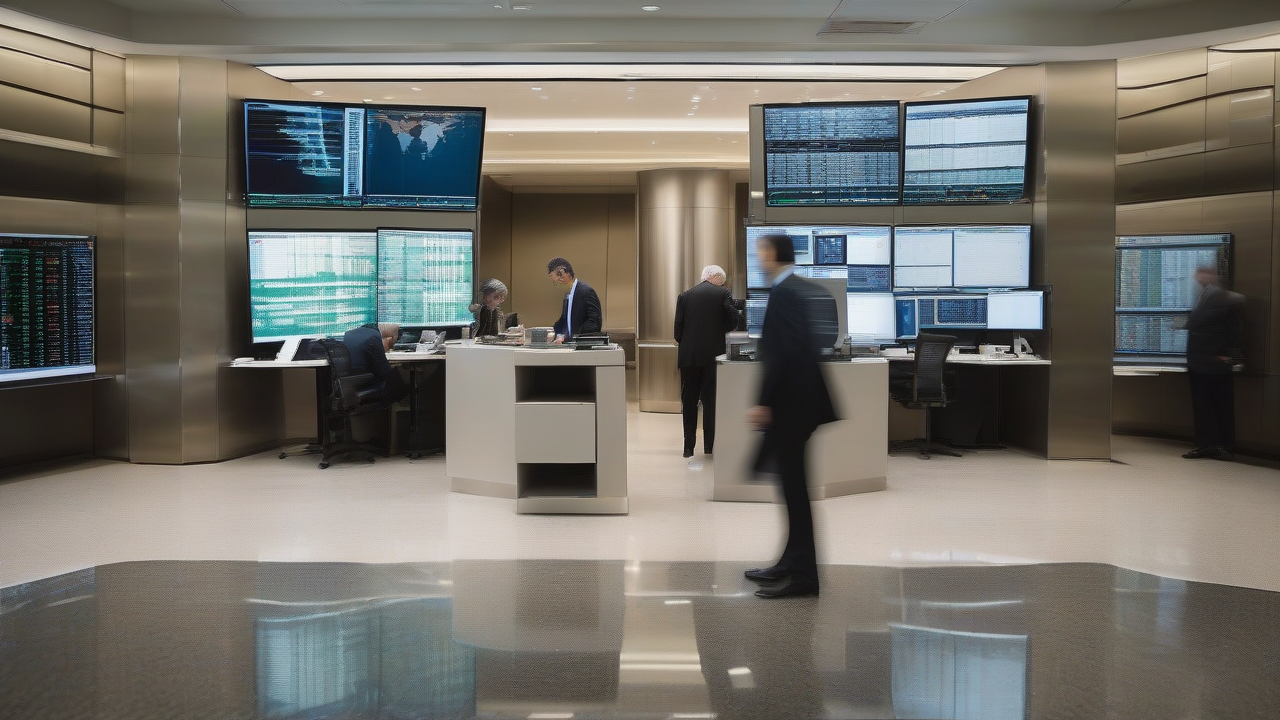
Global Markets on High Alert as Iran Conflict Threatens Supply Chains
The escalating tensions in the Middle East, particularly the prospect of a prolonged conflict involving Iran, are sending shockwaves through global markets, prompting investors to reevaluate their portfolios and assess the potential impact on a wide range of industries. According to Bloomberg Markets, the threat of supply disruptions and elevated oil prices is forcing stock investors to think beyond the obvious energy and aerospace sectors, and consider the potential consequences for less apparent industries, such as food delivery firms and cosmetics manufacturers.
A Broader Impact
Analysts note that the effects of a prolonged Iran conflict would be far-reaching, with potential disruptions to global supply chains affecting companies that rely on international trade. Observers point out that even industries that may seem unrelated to the conflict, such as technology and consumer goods, could feel the pinch as raw materials and components become scarce or more expensive. As reported by Bloomberg Markets, investors are already beginning to reassess their holdings in light of these potential disruptions, with some opting to diversify their portfolios or seek out companies that are less exposed to global supply chain risks.
Why It Matters
The potential for supply disruptions and elevated oil prices has significant implications for the global economy, as it could lead to increased costs for businesses and consumers alike. Experts warn that a prolonged conflict could also lead to inflation, reduced consumer spending, and decreased economic growth. According to sources, the move by investors to reassess their portfolios and prepare for potential disruptions signals a growing concern about the impact of the conflict on global markets. As one analyst noted, “the effects of a prolonged Iran conflict would be felt across a wide range of industries, and investors need to be prepared to adapt to a rapidly changing market landscape.”
Industries at Risk
While the energy and aerospace sectors are obvious targets for disruption, other industries are also at risk. Food delivery firms, for example, rely on a complex network of suppliers and logistics providers to get their products to market, and disruptions to these supply chains could have a significant impact on their operations. Cosmetics manufacturers, meanwhile, rely on a range of raw materials, including oils and petrochemicals, which could become scarce or more expensive in the event of a prolonged conflict. As Bloomberg Markets reports, investors are already beginning to take notice of these potential risks, and are adjusting their portfolios accordingly.
What to Watch Next
As the situation in the Middle East continues to unfold, investors will be watching closely for any signs of escalation or de-escalation. According to Bloomberg Markets, key indicators to watch include oil prices, global trade volumes, and economic growth rates. Analysts note that any significant increase in oil prices or disruption to global trade could have a major impact on markets, and investors should be prepared to adapt quickly to changing circumstances. With the situation remaining highly uncertain, one thing is clear: investors will need to stay vigilant and be prepared to respond to any developments in the coming weeks and months.


Reader Comments