
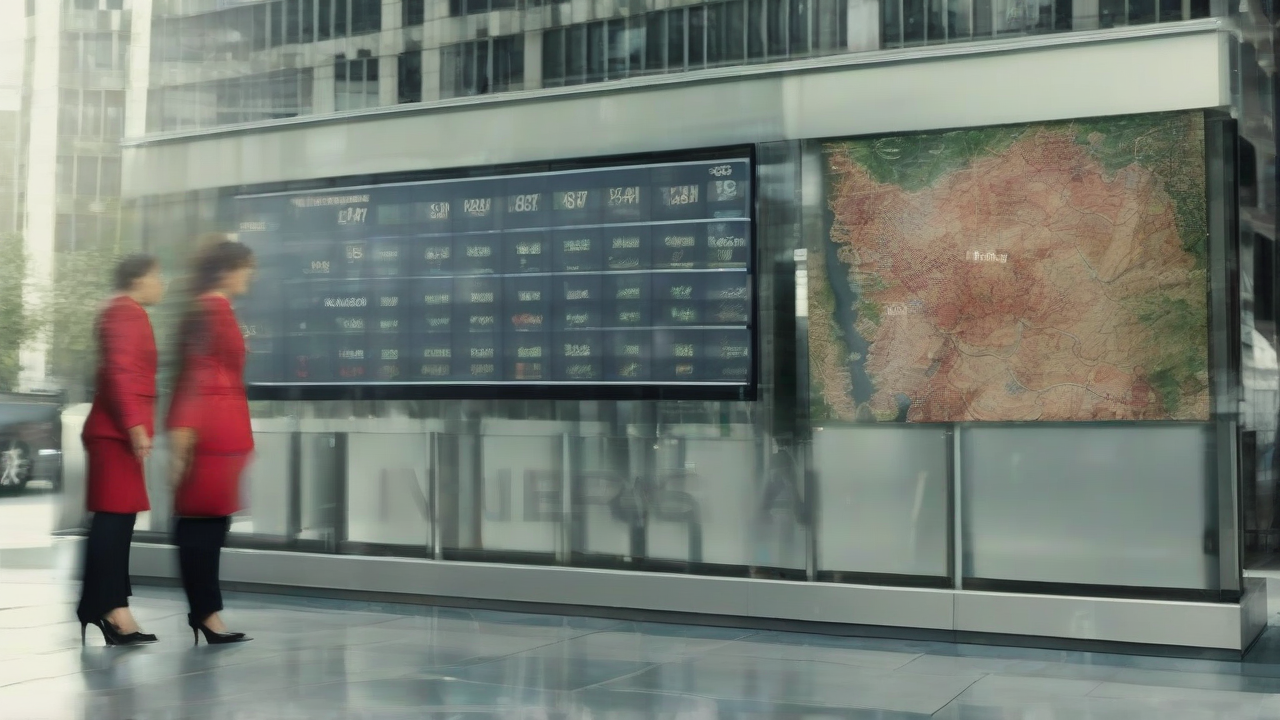
Global Energy Markets on High Alert
A potential war with Iran is sparking widespread concern among Wall Street analysts, who warn that such a conflict would trigger a prolonged energy crisis, according to a report by the Financial Times. This warning comes as oil prices have already risen by 40% since the start of the war, as reported by The New York Times. The closure of the Strait of Hormuz, a critical oil shipping route, has contributed to the surge in crude futures, with Reuters noting a positive turn in the market due to the continued closure.
Economic Implications
Analysts note that the ongoing tensions in the region have significant implications for the global economy. The impact of rising oil prices is being felt across various industries, from transportation to manufacturing, with observers pointing out that the effects will be far-reaching. As Politico highlights, there are five key reasons why oil prices are unlikely to snap back from the Iran war, including the potential for prolonged conflict, reduced oil production, and increased demand. The move signals a challenging time ahead for businesses and consumers alike, who will face higher energy costs and potential shortages.
Market Volatility
The uncertainty surrounding the conflict has led to market chaos, with trading desks experiencing significant losses. According to Bloomberg, some traders have reported losing $1 million in just 2 seconds, underscoring the high-stakes nature of the current market environment. As the situation continues to unfold, investors are bracing for further volatility, with sources indicating that the markets will remain on high alert until a resolution is reached.
Broader Context
The potential energy crisis triggered by a war with Iran is not an isolated event, but rather part of a larger trend of global instability and geopolitical tensions. The closure of the Strait of Hormuz, for example, has significant implications for international trade and commerce, with experts warning of potential shortages and price increases. The situation highlights the interconnectedness of the global economy and the need for careful planning and diplomacy to mitigate the effects of conflict.
What to Watch Next
As the situation in Iran continues to unfold, investors and consumers will be closely watching the developments in the region. Key milestones to watch include upcoming diplomatic meetings, potential sanctions, and changes in oil production levels. According to sources, the next few weeks will be critical in determining the trajectory of the conflict and its impact on global energy markets. As reported by the Financial Times, Wall Street analysts will be closely monitoring the situation, providing insights and analysis on the potential outcomes and implications for the global economy.


Reader Comments