
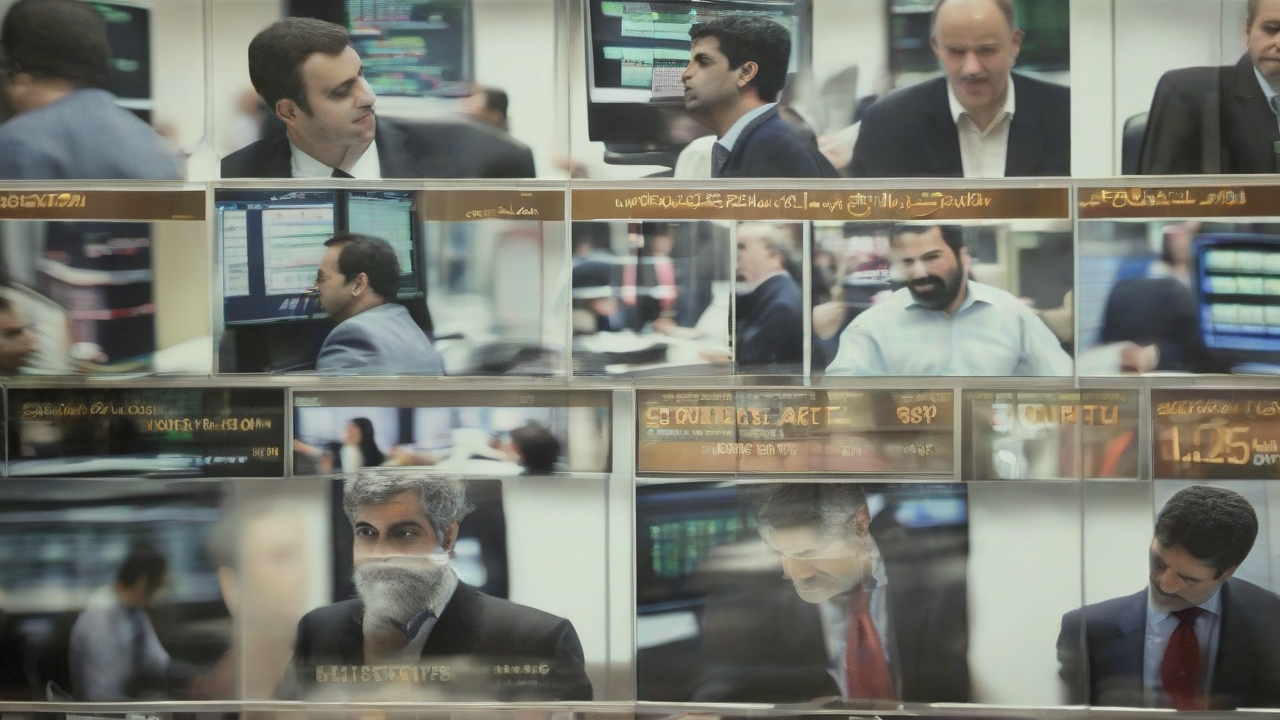
Financial Markets Under Pressure
The current geopolitical tensions, particularly the escalating conflict in Iran, have led to a significant increase in market stress, with the situation now resembling the volatile period of last year’s tariff disputes, according to Bloomberg Markets. This surge in market stress is attributed to the multifaceted impact of the Iran war on global financial markets, including rising oil prices, increased borrowing costs, and a strengthening dollar.
A Perfect Storm of Financial Pressure
Analysts note that the combination of these factors is exerting pressure on nearly every aspect of financial markets simultaneously. The rise in oil prices, for instance, is not only affecting the energy sector but also having a ripple effect on the broader economy, as higher energy costs can lead to increased production costs and potentially slower economic growth. Furthermore, the strengthening of the dollar, while beneficial for some import-reliant industries, can also make exports more expensive, potentially hurting industries that rely heavily on international trade.
Broader Implications and Historical Context
Observers point out that this perfect storm of financial pressure has significant implications for both investors and consumers. The increased borrowing costs, for example, can make it more expensive for businesses to finance their operations or for individuals to secure loans, which can have a cooling effect on economic activity. Historically, such periods of heightened market stress have been associated with increased volatility and decreased investor confidence, suggesting that the current situation warrants close monitoring.
Impact on Investors and Consumers
The move signals a challenging time ahead for investors, as the heightened market stress and volatility can lead to significant fluctuations in asset values. Consumers, on the other hand, may face the impact of higher oil prices and potentially increased costs of goods and services due to higher production and transportation costs. According to sources, the situation is being closely watched by financial regulators and market participants, who are bracing for potential further escalation of market stress.
Looking Ahead
As the situation in Iran continues to evolve, market watchers are advised to keep a close eye on several key indicators, including oil prices, currency exchange rates, and borrowing costs. Upcoming economic reports and central bank decisions will also be crucial in determining the trajectory of financial markets in the coming weeks. Analysts suggest that any signs of de-escalation in the conflict or measures to stabilize oil prices could help alleviate some of the current market stress, but until then, investors and consumers are likely to remain cautious.
Conclusion and Future Developments
In conclusion, the current market stress, as reported by Bloomberg Markets, underscores the interconnectedness of global financial markets and the potential for geopolitical events to have far-reaching economic implications. As the world waits to see how the situation in Iran will unfold, it is essential for market participants to remain vigilant and for policymakers to be prepared to respond to any further developments that could impact financial stability. The next few weeks will be critical in determining the direction of financial markets, with several key economic indicators and policy decisions on the horizon.


Reader Comments