
Global Oil Markets on High Alert
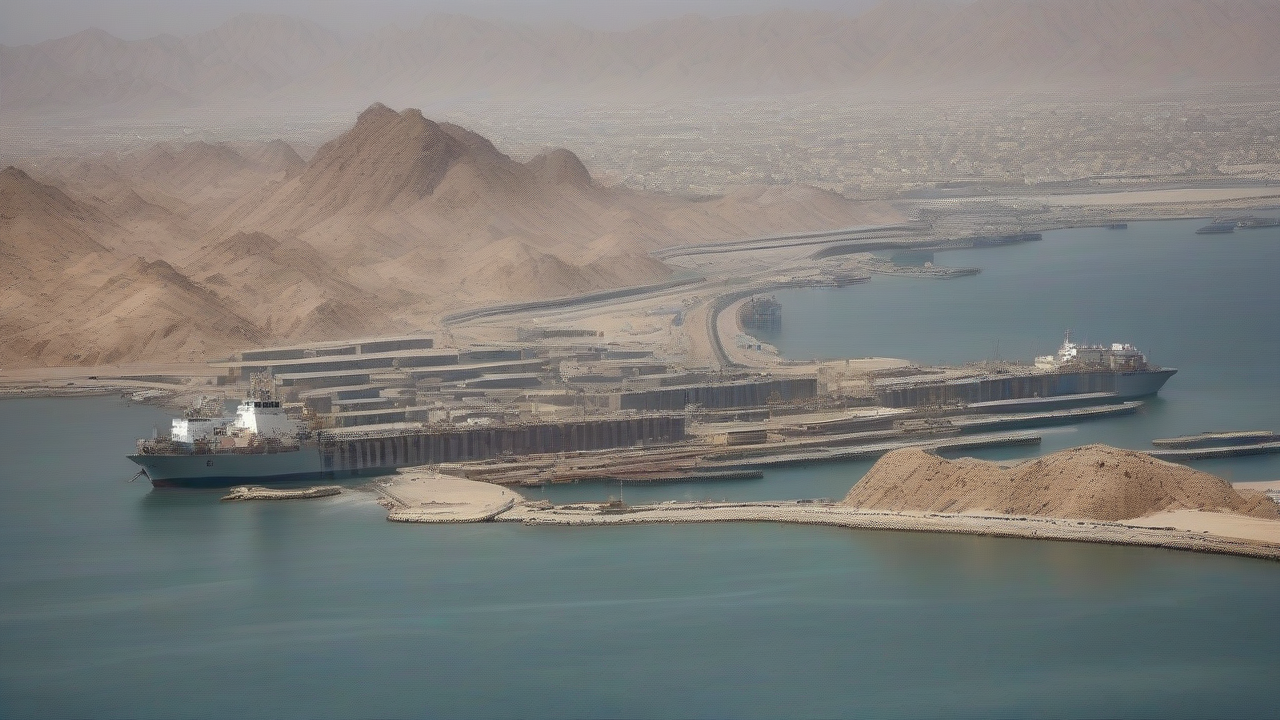
In a significant escalation of tensions, Iran has vowed to maintain its blockade of the Strait of Hormuz, a critical waterway that accounts for nearly a third of the world’s seaborne oil exports. This move has sent shockwaves through the global oil market, with prices trading near a 42-month high, according to Bloomberg Markets. As reported by Bloomberg, the current situation is unfolding as one of the most volatile trading weeks in recent history.
Context and Implications
Observers point out that the Strait of Hormuz is a vital chokepoint for oil exports, with approximately 20% of the world’s oil supply passing through it. The move by Iran to keep the strait closed signals a significant escalation of tensions in the region, which could have far-reaching implications for global energy markets. Analysts note that the blockade could lead to a substantial increase in oil prices, potentially exceeding $100 per barrel, as supply chains are disrupted and investors become increasingly risk-averse.
Impact on Global Energy Markets
The impact of the blockade will be felt across the globe, with countries heavily reliant on oil imports from the Middle East likely to be affected the most. As reported by sources, the move by Iran could lead to a shortage of oil supplies, resulting in higher prices at the pump for consumers. This, in turn, could have a ripple effect on the global economy, potentially leading to higher inflation and slower economic growth. According to experts, the situation is being closely monitored by major oil-consuming countries, which are exploring alternative supply routes and strategies to mitigate the impact of the blockade.
Expert Analysis
Experts in the field note that the current situation is a classic example of a geopolitical risk premium, where the price of oil is influenced by factors beyond traditional supply and demand fundamentals. The move by Iran to keep the Strait of Hormuz closed has introduced a new level of uncertainty into the market, making it challenging for investors to predict the future direction of oil prices. As one analyst noted, “the situation in the Middle East is highly volatile, and any miscalculation could lead to a significant escalation of tensions, resulting in even higher oil prices.”
What to Watch Next
As the situation continues to unfold, investors will be closely watching the response of major oil-producing countries, such as Saudi Arabia and the United States, to the blockade. According to sources, diplomatic efforts are underway to resolve the crisis, but the outcome remains uncertain. With the global oil market on high alert, any developments in the region could have a significant impact on oil prices, making it essential for investors to stay informed about the latest developments. As reported by Bloomberg Markets, the next few days will be critical in determining the direction of the global oil market, with investors bracing for more upheaval in the weeks ahead.


Reader Comments