
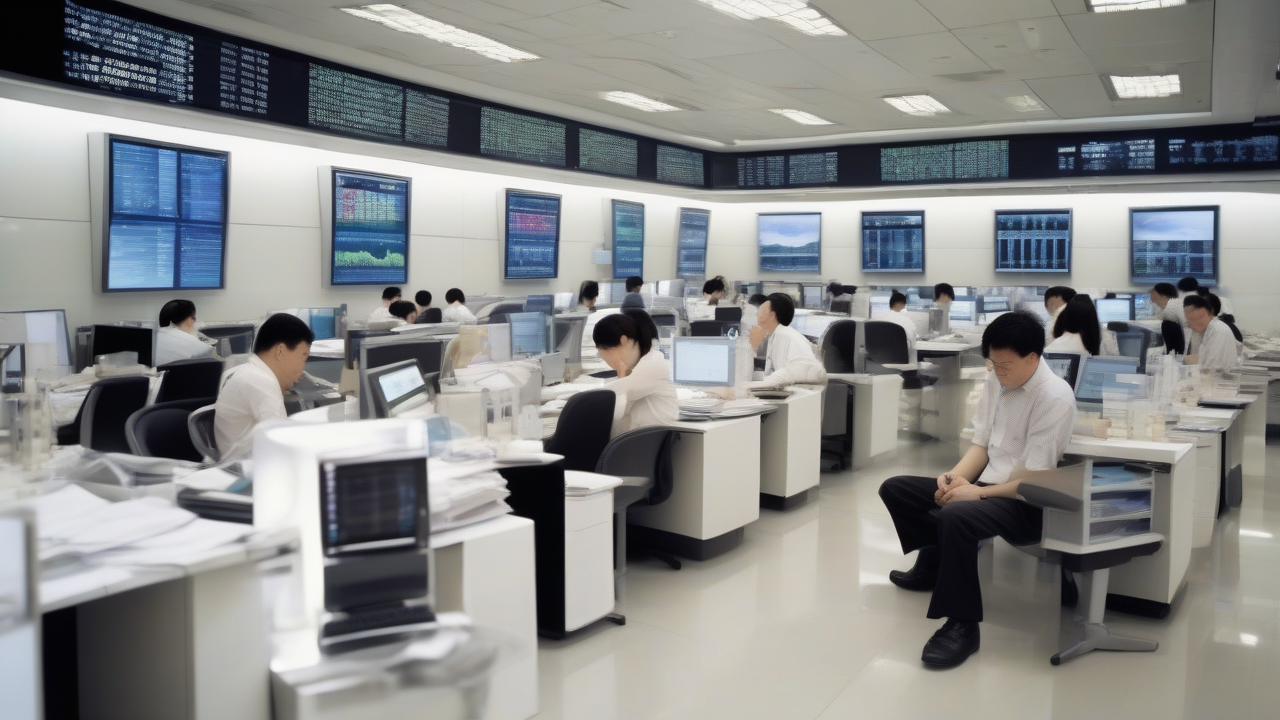
Economic Indicators Show Mixed Results in China
China’s economic performance has started the year on a positive note, with key indicators surpassing initial forecasts. However, according to Ning Zhang of UBS Investment Bank, as reported by Bloomberg, there is a significant disparity between the country’s external demand, driven by exports, and its domestic activities, which remain subdued. This divergence suggests that while China’s economy is showing signs of resilience, its consumption sector is still under considerable pressure.
Understanding the Divergence
Analysts note that the strong export numbers can be attributed to the ongoing global demand for Chinese goods, particularly in the technology and manufacturing sectors. However, the soft domestic activities indicate that Chinese consumers are still cautious about spending, which could be due to various factors, including income growth, employment opportunities, and overall economic confidence. Observers point out that this trend is not unique to China, as many countries are experiencing similar challenges in stimulating domestic consumption.
Implications for China’s Economy
The move signals that China’s economic growth is becoming increasingly reliant on external factors, rather than domestic consumption. This raises concerns about the sustainability of the country’s economic expansion, as exports can be volatile and subject to global market fluctuations. Furthermore, the slow growth in domestic activities could have significant implications for businesses, particularly those in the retail and service sectors, which are heavily dependent on consumer spending. As reported by Bloomberg, sources indicate that the Chinese government is aware of these challenges and is likely to implement policies aimed at boosting domestic consumption.
Impact on Businesses and Consumers
The ongoing pressure on China’s consumption sector is expected to affect businesses and consumers in various ways. Companies that rely heavily on domestic sales may need to reassess their strategies and explore new markets or products to compensate for the slow growth. On the other hand, consumers may continue to benefit from the competitive pricing and wide range of products available in the market. However, the overall economic uncertainty could lead to reduced spending power and decreased consumer confidence.
Looking Ahead
As the Chinese economy continues to evolve, it is essential to monitor the government’s policy responses and their impact on domestic consumption. Upcoming economic indicators, such as retail sales and consumer price index data, will provide valuable insights into the health of China’s consumption sector. Additionally, observers will be watching for any signs of improvement in domestic activities, which could indicate a more sustainable economic growth trajectory. According to Ning Zhang of UBS Investment Bank, as reported by Bloomberg, the next few months will be crucial in determining the direction of China’s economic growth, and investors should be cautious about the potential risks and opportunities arising from the current trends.



Reader Comments