
Global Markets Feel the Strain
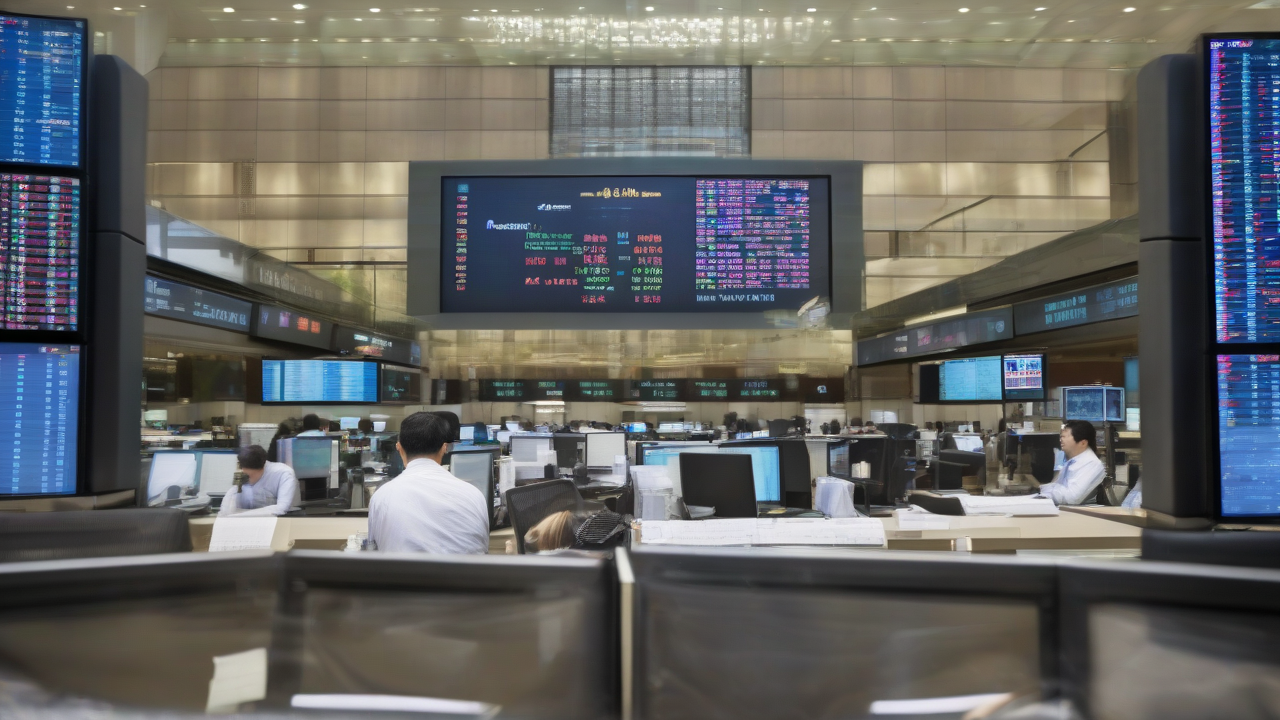
The ongoing tensions between the US and Iran have taken a toll on Asian stock markets, with most major indices experiencing a decline and heading for weekly losses. According to reports from Investing.com, the lack of significant relief from the Iran conflict has led to a downturn in investor sentiment. As of the latest trading sessions, the regional markets have been unable to recover from the slump, signaling a potentially bleak outlook for the week.
Economic Implications
Analysts note that the Iran war has introduced a high level of uncertainty into the global economy, affecting not just the Middle East but also having far-reaching implications for international trade and stability. The move signals a challenging period ahead for investors and businesses alike, as they navigate the complexities of geopolitical tensions and their impact on financial markets. Observers point out that historical precedents suggest that prolonged conflicts can lead to increased volatility in markets, making it difficult for investors to predict outcomes and make informed decisions.
Regional Impact
The decline in Asian stocks is a clear indication of how regional markets are affected by global events. Sources indicate that the lack of progress in resolving the Iran conflict has dampened hopes for a quick recovery, leading to a sell-off in stocks. This trend is expected to continue unless there are significant developments that suggest a de-escalation of tensions. The stakes are high, with potential long-term effects on economic growth, trade balances, and investor confidence.
Investor Sentiment
Experts suggest that investor sentiment remains cautious, with many adopting a wait-and-see approach until there is more clarity on the geopolitical front. As reported by Investing.com, the weekly losses in Asian stocks reflect this cautious stance, as investors weigh the risks and potential outcomes of the ongoing conflict. The situation underscores the interconnectedness of global markets and how events in one part of the world can have profound effects on economies elsewhere.
Looking Ahead
As the week draws to a close, all eyes will be on any developments that could signal a shift in the conflict’s trajectory. Upcoming diplomatic efforts or statements from key players could provide the catalyst for a change in market sentiment. Analysts will be watching closely for any signs of de-escalation, which could potentially stabilize the markets and pave the way for a recovery. Until then, the uncertainty surrounding the Iran war is likely to continue influencing investor decisions and market trends.
Broader Context
The current situation highlights the vulnerability of global markets to geopolitical events. Historically, conflicts have had lasting impacts on economic systems, trade relationships, and the overall stability of financial markets. The Iran war serves as a reminder of the importance of diplomatic efforts in preventing the escalation of conflicts and promoting global economic stability. As the international community navigates these challenging times, the interplay between geopolitical tensions and market performance will remain a critical area of focus for observers and analysts alike.
Conclusion
The decline of Asian stocks amidst the Iran conflict underscores the significant impact of geopolitical events on global markets. With the week drawing to a close on a negative note, investors and analysts are looking towards the future, hoping for developments that could bring relief and stability. As the situation continues to unfold, one thing is clear: the effects of the Iran war will be closely watched, and any significant changes will have the potential to reshape market trends and investor sentiment in the weeks to come. According to Investing.com, the full coverage of this developing story will continue to provide insights into the evolving market conditions and geopolitical landscape.


Reader Comments